The new Prime Minister must abandon decades of automatic support for US foreign policy, which makes us all less safe, argues DIANE ABBOTT MP


 Latest editorial

How Blair conned the unions
After a conciliatory promise to keep anti-strike laws but strengthen union recognition, Blair backtracked — and many accused him of colluding with big business. New evidence shows that indeed he was, reveals SOLOMON HUGHES



Media Lens at 25: David Cromwell and David Edwards reflect on a quarter-century of media criticism, explaining why independent journalism is more important than ever
by Weyman Bennett and Maz’s family
The International Court of Justice has delivered its clearest ruling yet that the right to strike is protected under international law, write Professor TONIA NOVITZ, Professor KEITH EWING and Lord JOHN HENDY KC
Emergency phone alerts could help Britain respond to rising wildfire risk, but Australia’s experience suggests they work best as part of a broader strategy, write ELLIOT CONVERY-FISHER and KATE PARKINS
A champion motorcyclist, trade union organiser and communist, Clem Beckett went from Britain’s speedway tracks to the battlefields of Spain, where he gave his life resisting Franco’s forces at Jarama. GEOFF BOTTOMS pays tribute to this remarkable anti-fascist


NEWLY released papers from the New Labour government elected in 1997 show how Blair sold out the unions on the key issue of recognition, overruling his own ministers to side with the CBI in a move that stopped a key reform dead.
Labour’s 1997 manifesto said “the key elements of the trade union legislation of the 1980s will stay — on ballots, picketing and industrial action,” so Thatcher’s anti-union laws would stay — but he also promised that “people should be free to join or not to join a union. Where they do decide to join and where a majority of the relevant workforce vote in a ballot for the union to represent them, the union should be recognised.”
New Labour offered the unions a compromise: continued restrictions on strikes, but a big prize in legally enforceable union recognition, which would have been a game changer.

Similar stories
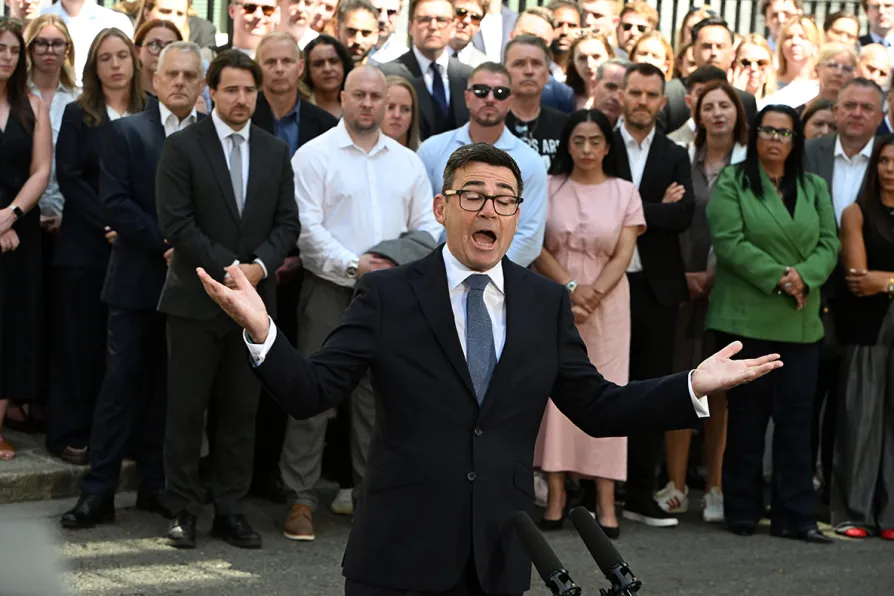
The Tories introduced the 50% strike ballot threshold to make industrial action harder. MATT WRACK argues that a Labour government has no justification for leaving it on the statute book
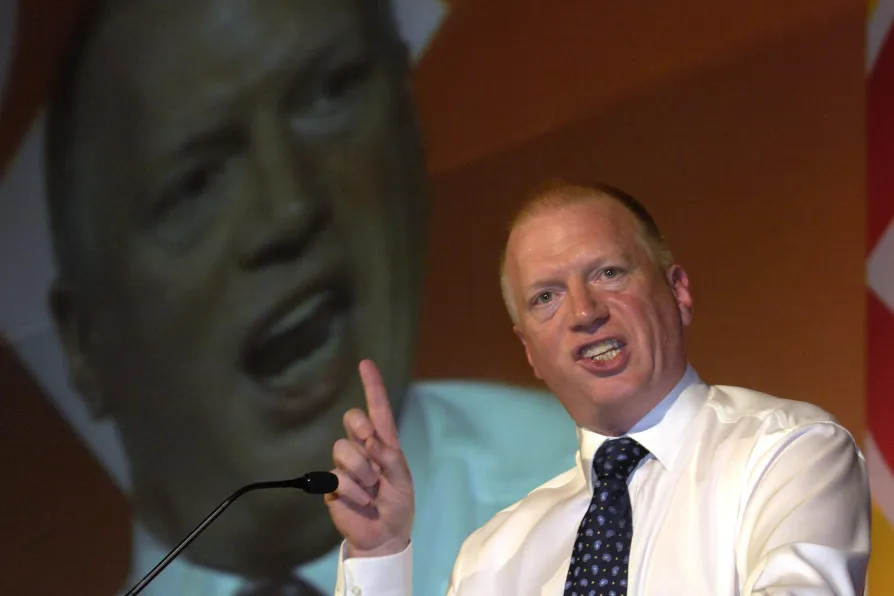
Labour’s long-promised Act has scraped through the Lords. While the law marks a step forward, its lack of collective rights leaves workers short-changed — and sets the stage for a renewed campaign for an Employment Rights Bill #2, argues TONY BURKE
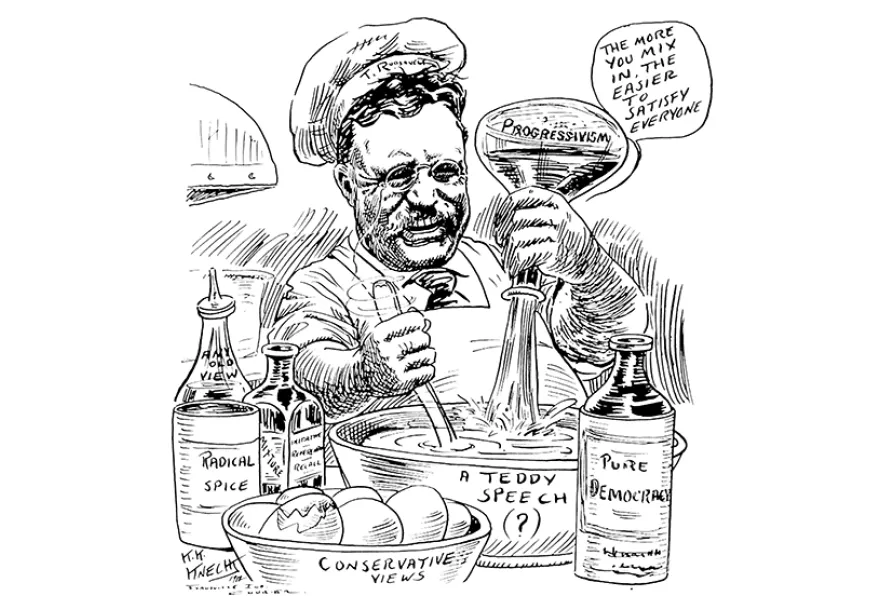
STEPHEN ARNELL casts a critical eye over the sudden rash of challenges to the two-party system on both sides of the Atlantic, noting that today’s performative populist politics sadly lacks Roosevelt’s progressive ‘Bull Moose’ vision of the early 20th century