DOUGLAS FIELD relishes the hard-boiled language, satire and humour of the third and last of the Harlem trilogy


 Latest editorial
Death camp memorials of Dachau, Mauthausen and Majdanek
‘Let our fate be a warning to you’ is cut into the stone of Majdanek Mausoleum a timely reminder of what may come in the wake of racial hate and xenophobia
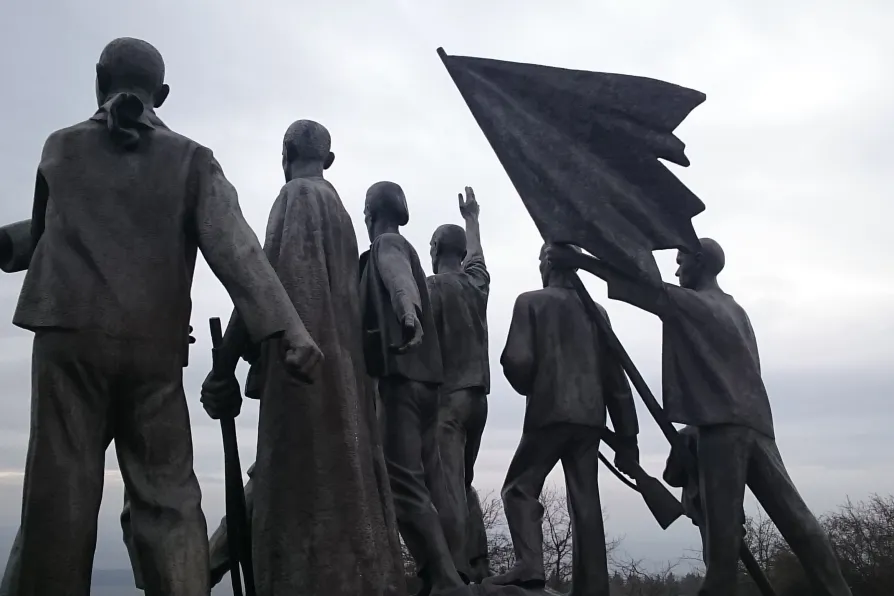
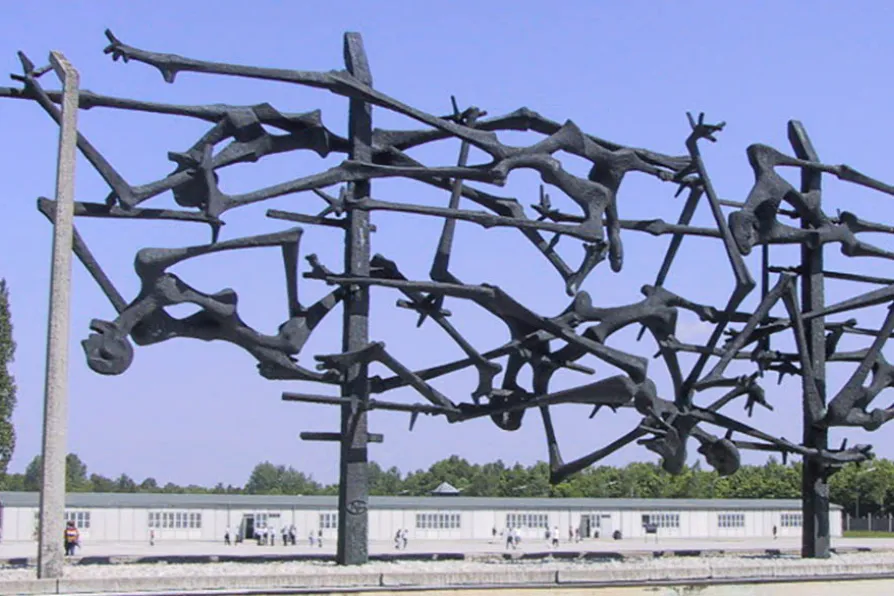 The Dachau concentration camp memorial by Yugoslav sculptor and Holocaust survivor Nandor Glid
[Galvin/flickr/Creative Commons]
The Dachau concentration camp memorial by Yugoslav sculptor and Holocaust survivor Nandor Glid
[Galvin/flickr/Creative Commons]
STEPHANIE BROWN draws attention to the hidden labour of the female embroiderers, and how a 19th century replica made no such error
MIK SABIERS revels in a band that ploughs an idiosyncratic furrow of expletive laden, guitar-driven alt rock
ANDY HEDGECOCK, MARIA DUARTE and ANGUS REID review Synthetic Sincerity, Our Hero, Balthazar, Heartstopper Forever, and A Year In London
The bard invites readers to a gig, raps for Clacton, and lays out the Burnham-Hurzeler conundrum
RON JACOBS recommends an important book that enhances the oppositional theories put forth by Fanon and, in doing so, remakes psychology itself


ON SATURDAY January 27 1945 — 76 years ago tomorrow — the Nazi concentration camp of Auschwitz, in Nazi-occupied Poland, was liberated by the Soviet army.
There were 27 main concentration camps set up by the Nazi regime and in them over 1.6 million people were incarcerated and many exterminated. The inmates comprised those who didn’t conform to the Nazi concept of humanity: Jews, gypsies, homosexuals, communists, socialists, trade unionists and those with disabilities. The nazi programme of mass killing of ‘undesirables’ was the world’s most comprehensive and devastating attempt to establish an elite race of supermen and women.
Only belatedly, decades after the war’s end, did the former West German state erect any monuments at all to the victims of fascism. Up until 1995 there was no official research into the history of the concentration camps. This was hardly surprising, as many former Nazis were soon reoccupying their former posts in West Germany even before the flames of war had been extinguished.

Similar stories
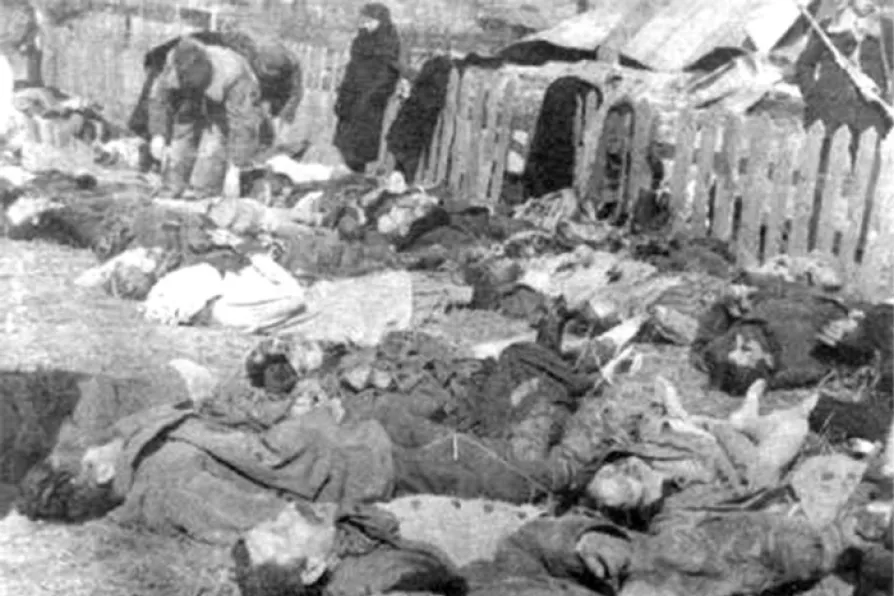
Poland’s anger over Ukraine’s celebration of the Nazi collaborationist UPA reflects more than historical grievance, says KENNY COYLE
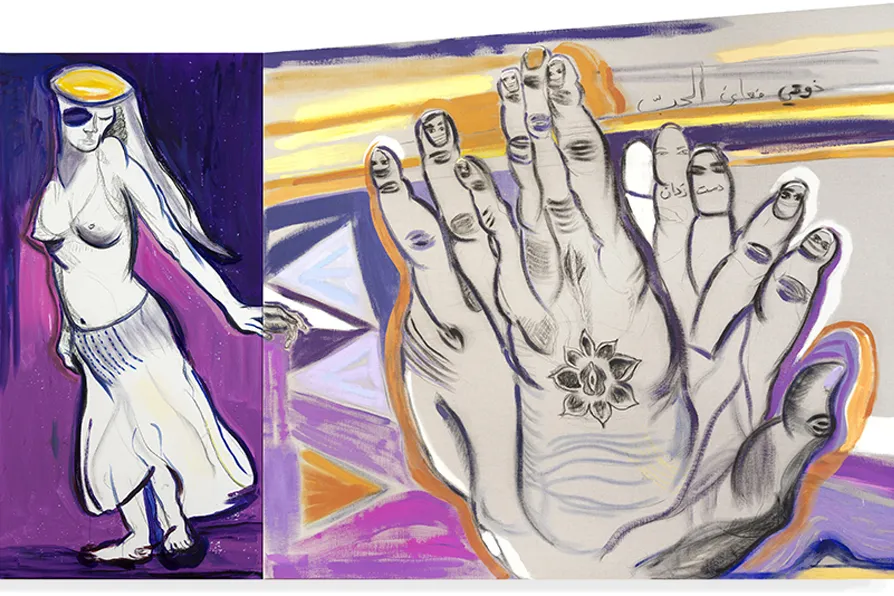
SIMON PARSONS applauds an artist who rescues and rehumanises stories of women, the victims of violence, from a feminist perspective
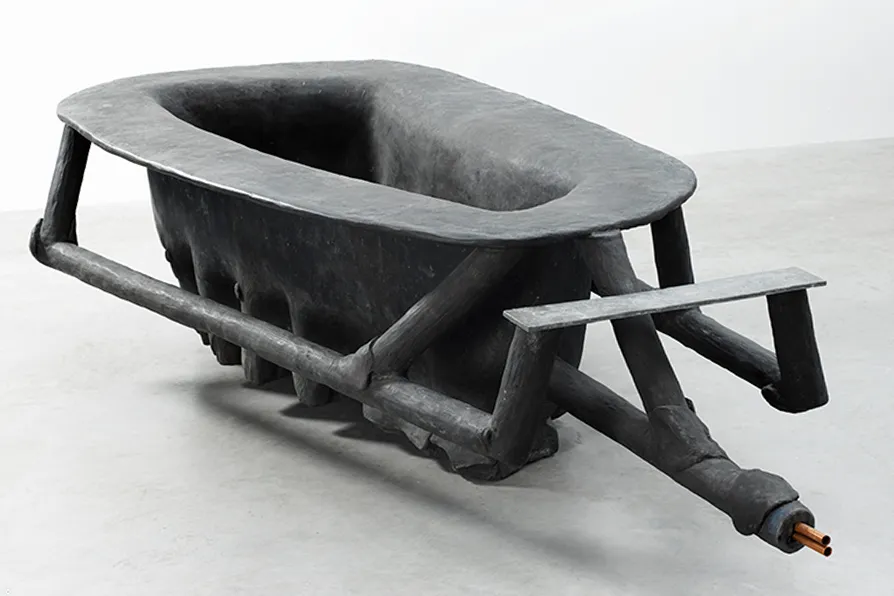
JAN WOOLF ponders the works and contested reputation of the West German sculptor and provocateur, who believed that everybody is potentially an artist
The decision highlights the tension between freedom of expression and the state’s role in shaping historical memory at former concentration camps, reports LEON WYSTRYCHOWSKI