

 Latest editorial

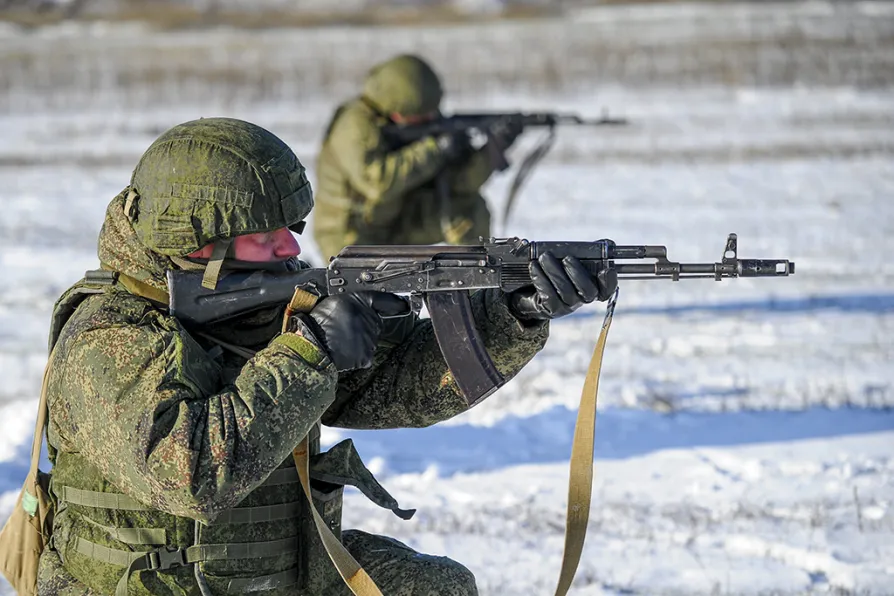 Russian soldiers take part in drills at the Kadamovskiy firing range in the Rostov region in southern Russia
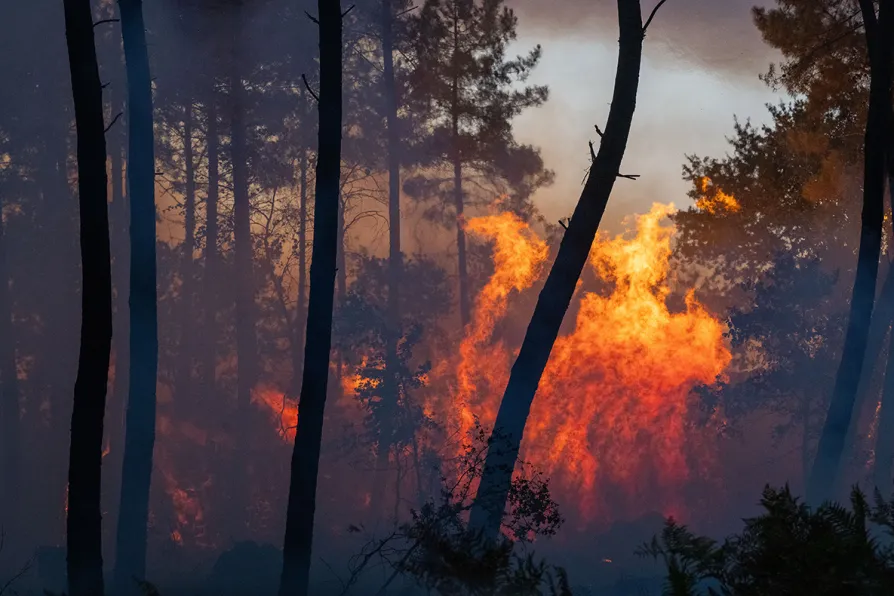


NATO warplanes confronted Russian aircraft 290 times in 2021, most of the time along Russia’s western borders, the US-led alliance reported today.
It means nearly 80 per cent of Nato’s 370 flight missions this year involved confrontations with the Russian air force.
Tensions between the military bloc and Russia are rising as Moscow warns against its expansion into Ukraine.

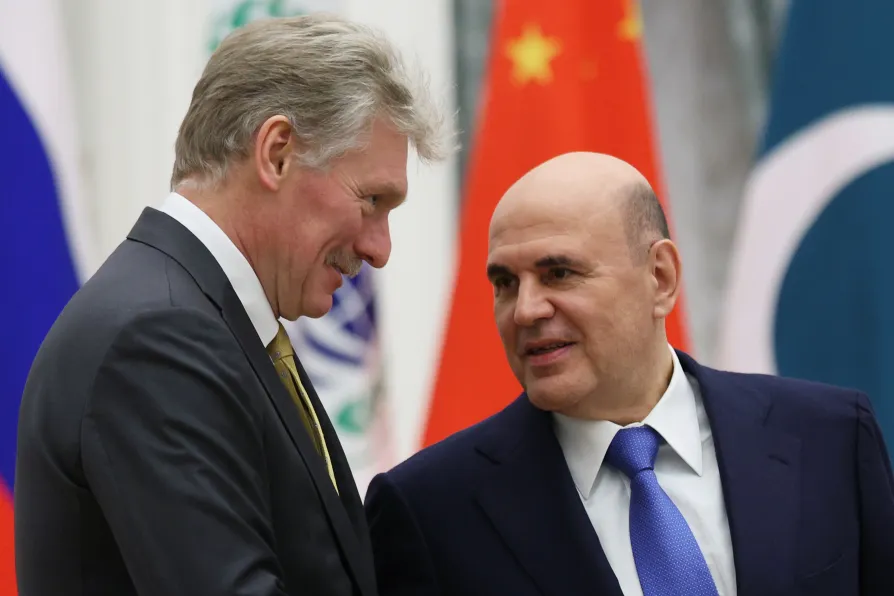

In Washington, the willingness to accept an open war with Russia is growing — at Europe’s expense. While Nato states are being drawn into confrontation, Europe risks becoming the battlefield of a potential world war, warns SEVIM DAGDELEN
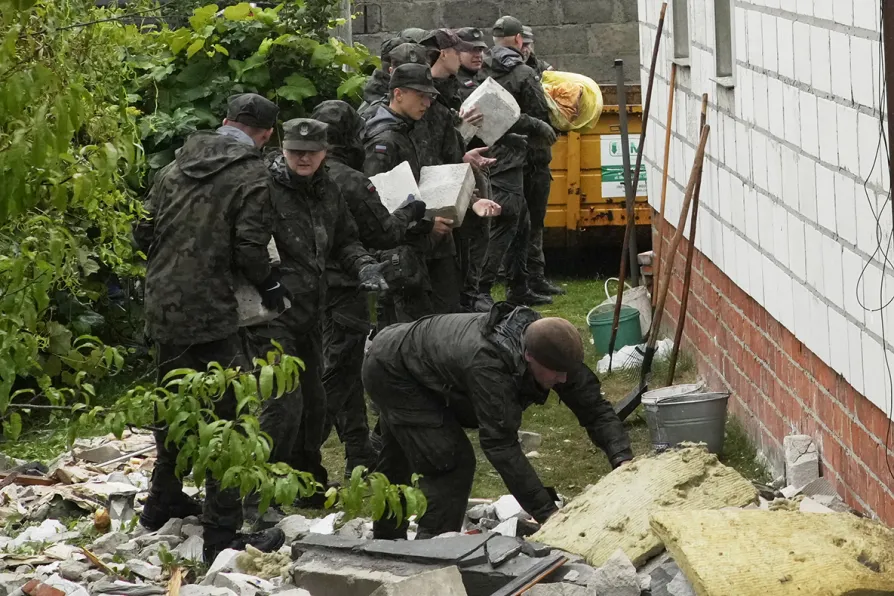
MARK HAZELDEN criticises the Western narrative that the incident was an escalation of Russia’s confrontation with the West, given that Belarus, a Russian ally, warned Poland of off-course drones, and the drones were unarmed, cheap wooden decoys
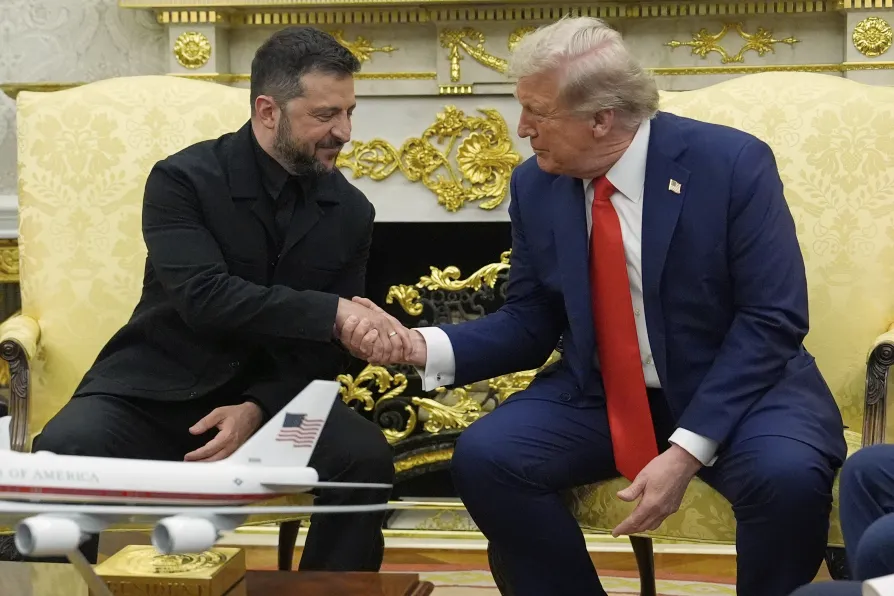
Washington plays innocent bystander while pouring weapons and intelligence into Ukraine, just as it enables the Gaza genocide — but every US escalation leaves Ukraine weaker than the neutrality deal rejected in 2022, argue MEDEA BENJAMIN and NICOLAS JS DAVIES