
History suggests apartheid ends not through appeals to conscience alone but through sustained economic and political pressure, says HUGH LANNING

Journalists must be able to work safely, free from attack
Online abuse and threats towards journalists are part of a broader decline in standards in the public sphere, writes NUJ leader MICHELLE STANISTREET


As the US marks 250 years since the Declaration of Independence, the People’s World Editorial Collective argues that the real legacy of 1776 lies not in official celebrations but in centuries of popular struggles to make democracy a reality for all
Once a source of national pride, Cuba’s healthcare system declines as energy shortages deepen crisis, writes ANDREA RODRIGUEZ
Socialists, feminists and trade unionists gathered in Manchester to launch a network committed to evidence-based activism with a renewed emphasis on class and collective struggle. ANNA BARRETT reports
By making it simpler to support workers in struggle, Strike Map’s new Solidarity Fund aims to strengthen strikes when they need it most, write ROBERT POOLE and HENRY FOWLER
Only an ambitious programme of state-led investment can restore growth and improve living standards, argues MICHAEL BURKE


I HAVE lost count in the past year or more — or however long it has been since the world seemed to upend itself — of the occasions when it seemed a new low has been struck in what are parlous and depressing levels of public discourse in Britain.
Whether it is manufactured outrage, coordinated social media pile-ons, the trumping of common sense by determined political ideology or ill thought-out knee-jerk commentary — or a combination of all of those things — the cumulative impact is of dysfunctional engagement and weakening standards in public life.
Whatever the motivations, and whether or not it happens in the online sphere, it has a real-life personal and professional impact — not least for individuals caught up in the online fallout, where aggressive and hostile voices are often amplified even if the number of trolls leading the charge are comparatively few.

Similar stories
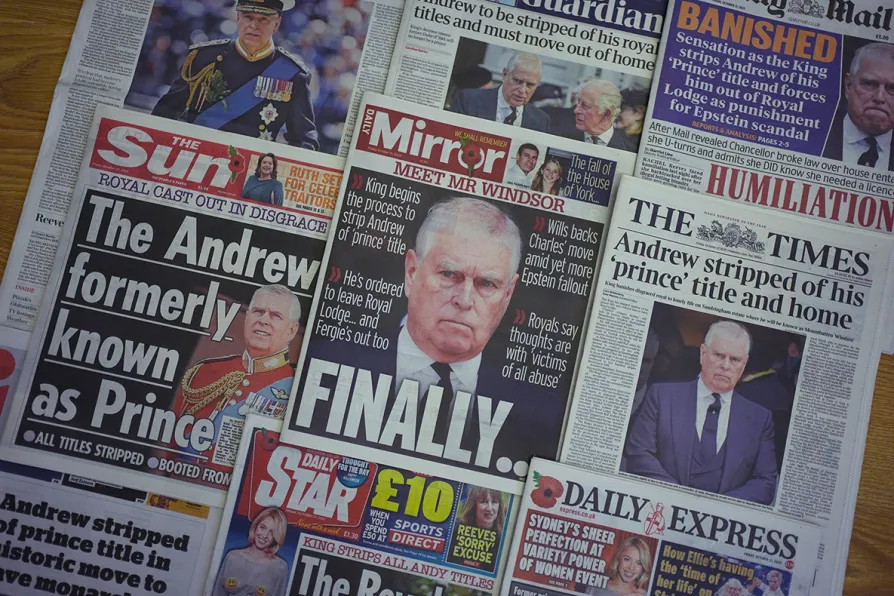
Claims that digital media has rendered press power obsolete are a dangerous myth, argues DES FREEDMAN
![[Pic: Andrew Wiard]](https://morningstaronline.co.uk/sites/default/files/styles/desktop/public/2026-01/19860503_a_wiard_0003.jpg.webp?itok=mR5zV0nE)
The once beating heart of British journalism was undone by technological change, union battles and Murdoch’s 1986 Wapping coup – leaving London the only major capital without a press club, says TIM GOPSILL
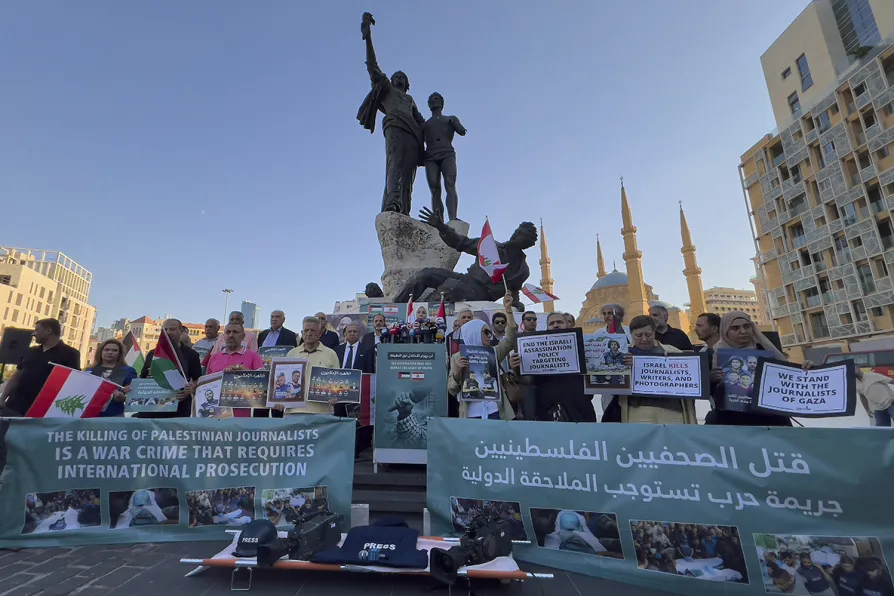
Speaking to the Morning Star’s Ceren Sagir, general secretary of the National Union of Journalists LAURA DAVISON outlines the threats to journalism from Palestine to Britain, and the unique challenges confronting the industry through the rise of AI