PCS general secretary FRAN HEATHCOTE explains why opposing war is inseparable from defending jobs, wages and public services – and why readers should come to the London Peace Conference on Saturday June 20


 Latest editorial
The Berlin Wall and the Kaiser Palace
On the 60th anniversary of the raising of the Berlin Wall, VICTOR GROSSMAN writes that the restoration of the once-socialist Palast of the Republik to a grim approximation of its pre-war Prussian style, complete with a museum full of stolen colonial loot, matches the the nation’s rapid return to imperialism
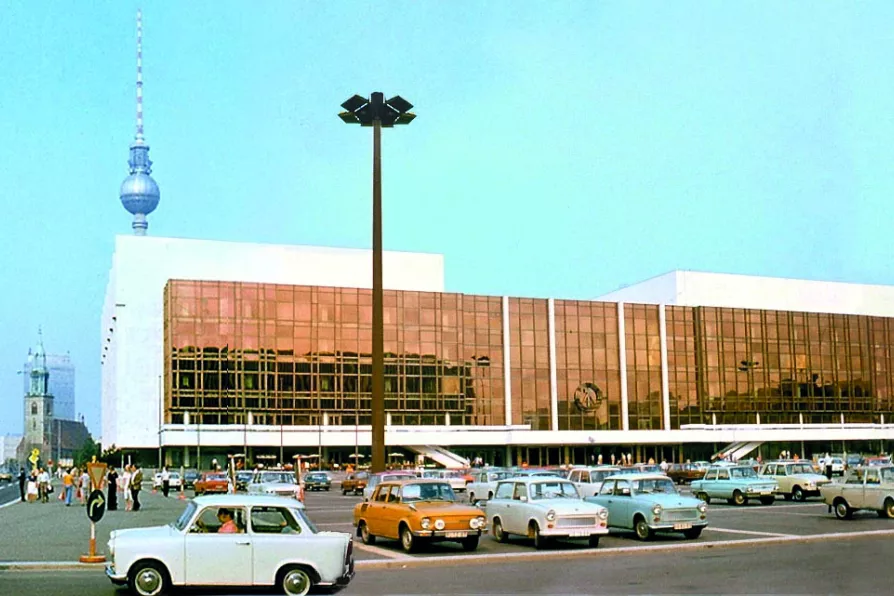 The Palace of the Republic, Berlin, 1970s
As protests erupt over Henry Nowak’s murder, ANDREW MURRAY argues that anger is being exploited to advance a wider racist and anti-immigration agenda
CARLOS MARTINEZ explains the sound case for car manufacturing co-operation with China
The National Emergency Briefing outlines the need for urgent action to address environmental crisis, says PAUL DONOVAN, warning that there’s no time to indulge the arguments of the fossil-fuel-funded climate-change deniers
Campaigners say criticism of Labour MP Stephen Morgan’s position on Gaza has been met with police intervention and cancelled opportunities for debate. HESTER WOLFE reports
The Committee for the Defence of Iranian People’s Rights warns of escalation danger in Iran war


THE ANNUAL heyday for German journalists is here again; another round anniversary reminds us, days in advance, how terrible life was for us poor souls in that awful old East German Democratic Republic (GDR). This year it’s the 60th anniversary of the Berlin Wall.
For me such previews were handy reminders to buy flowers or chocolates; August 13 was, since 1955, our wedding anniversary. But I was always aware that, for all its 28 years, a majority found nothing pleasant in the nasty barrier, with 100 to 150 people losing their lives trying to break through, under or over it.
But what is it that still warrants so much attention, year after year? Why (and I’ll borrow an analogy from my own book) keep kicking a horse who’s been dead for 32 years? Do some fear that the old stud may still have a kick or a bite left in him?
But if such fears were present when parts of the giant structure titled the Humboldt Forum were finally opened on a main square in Berlin, then triumphant expressions of satisfaction drowned them out; only a small group of protesters visibly expressed some of the bitter nostalgia.
It was here that the Hohenzollerns — the Prussian kings and after 1872, German kaisers — had their palace. This famous dynasty was expert in three activities: making war, seizing colonies in Africa and Oceania and amassing wealth and property.
In 1918 they lost out fully in the first two; they are still litigating about the third. The palace, no longer theirs, was wrecked and burnt out in WWII.
In 1950 the GDR leaders decided that rebuilding it in ruined Berlin was far out of reach. And was it worth it? As a symbol? One balcony was saved and built into a new government building — from it, on November 9 1918, Karl Liebknecht had vainly proclaimed a “Free Socialist Republic of Germany.” The rest was carted away as rubble, arousing the wrath of all the still very vocal monarchists in West Germany.
In its stead, in 1973-76, the Palast of the Republik was built, a sleek, long building in Bauhaus-type style, with transparent-from-the-inside windows. Some found it handsome; some didn’t.

Similar stories
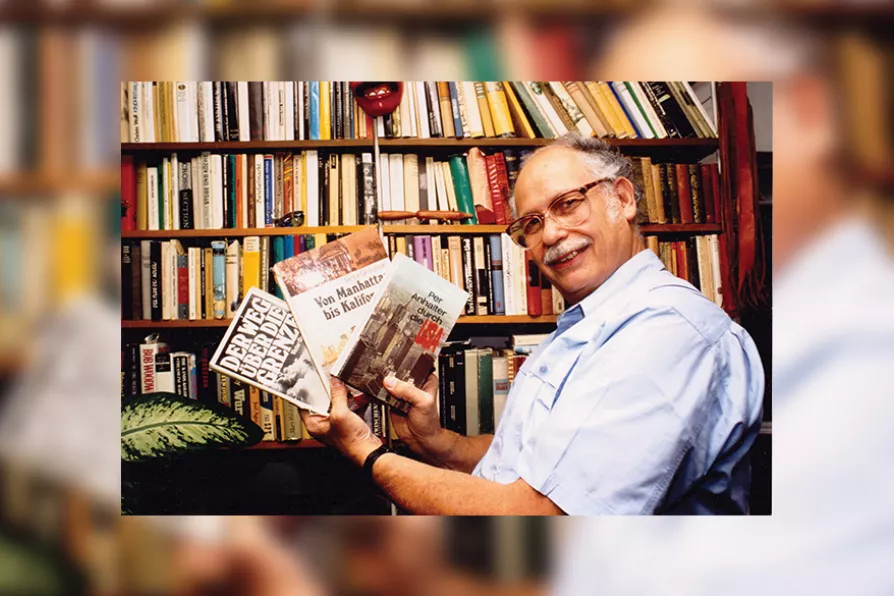
Hundreds in Berlin gathered on January 15 to honour the US-born socialist who made East Germany his home. Florentine Morales Sandoval reports
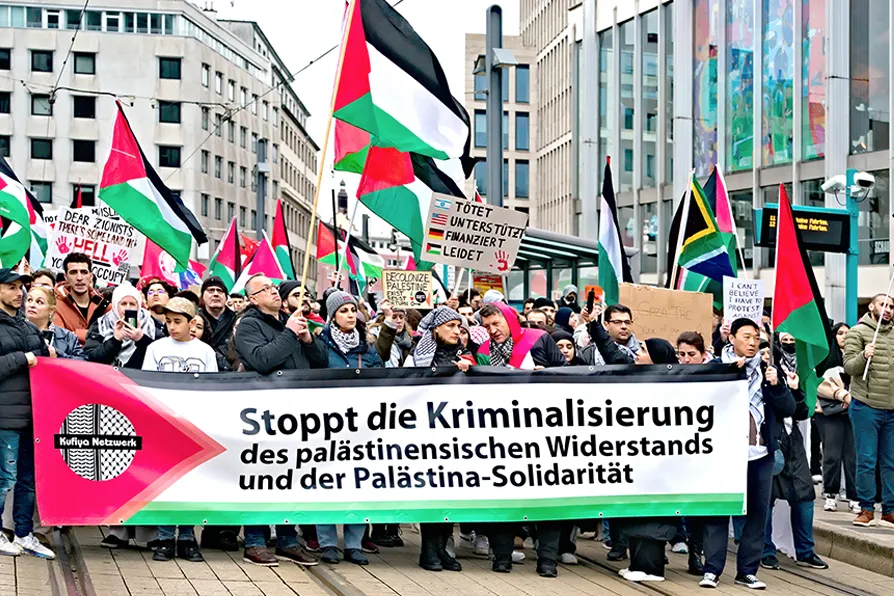
After NGOs and the EU, UN condemns Germany’s crackdown on Palestine Solidarity, writes LEON WYSTRYCHOWSKI
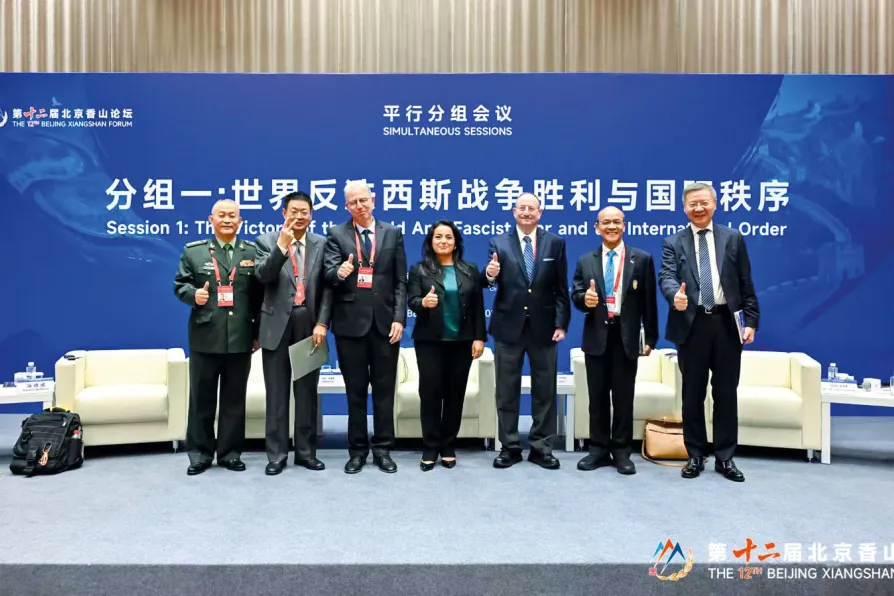
In a speech to the 12th Xiangshan Forum in Beijing, SEVIM DAGDELEN warns of a growing historical revisionism to whitewash Germany and Japan’s role in WWII as part of a return to a cold war strategy from the West — but multipolarity will win out
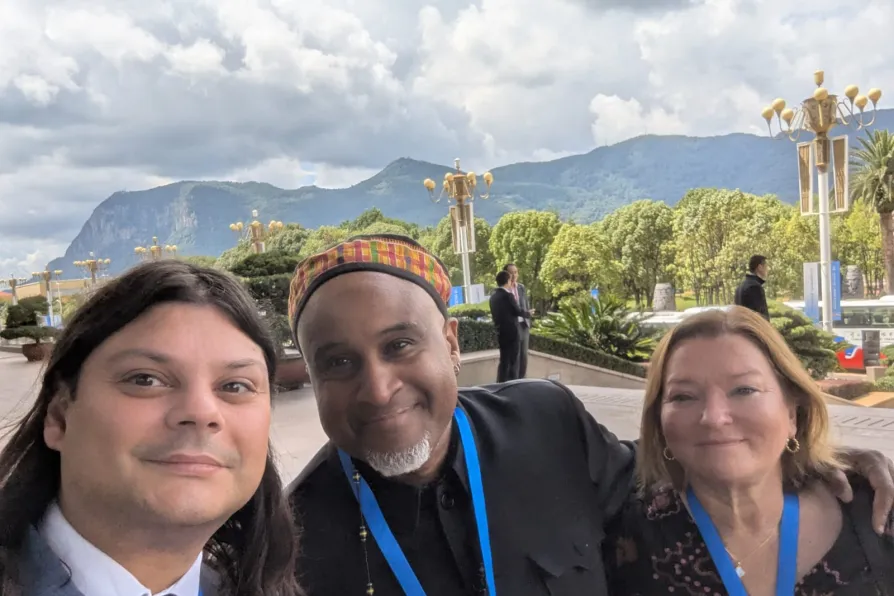
ROGER McKENZIE argues that the BRI represents a choice between treating humans as commodities or as equals — an essential project when, aside from China’s efforts, hundreds of millions worldwide are trapped in poverty