
New releases from Shearwater, Florry, and Navy Blue

The problem with BIG ideas
The latest book by would-be eco-innovators Bjarke Ingels Group is full of worthy architectural sentiments but they're undermined by questionable practice, writes SIAN LEWIS

 BIG BUILDINGS:: (L to R) Vancouver House, Canada and The Heights [School], Virginia, US
[(L to R) © Ema Peter / © Laurian Ghinitoiu]
BIG BUILDINGS:: (L to R) Vancouver House, Canada and The Heights [School], Virginia, US
[(L to R) © Ema Peter / © Laurian Ghinitoiu]

CHRIS SEARLE welcomes a startling vision of contemporary Newport from a veteran photographer of the British working class
ANGUS REID recommends a very unusual documentary: a love story between two disillusioned journalists
In verse and polemic, the bard points out that he is a poet and musician, not a political party
MARIA DUARTE, JAMES WALSH and ANDY HEDGECOCK review The Invite, My Father’s Island, Nirvanna: the Band, the Show, the Movie, and Oh My Goodness!
PAUL DONOVAN is chilled by the contemporary resonance of Harper Lee’s coming of age tale amidst racism and white supremacy in this excellent production
GEOFF BOTTOMS recommends the unashamedly light-hearted escapism on offer in this stage version of the 1963 film


Formgiving: An Architectural Future History
by BIG
(Taschen, £40)
THIS book is the third in Danish architect Bjarke Ingels’s manifesto, following Yes Is More and Hot to Cold.
If you are unfamiliar with Ingels, it could help to think of him as the Elon Musk of the built environment. At 46, he is unusually young to have achieved a high level of success, with the Bjarke Ingels Group (BIG) based in New York and his native Copenhagen.
Ingels appears to give slightly more than the usual nod to environmental issues and sustainability and is known for enthusiastically embracing cutting-edge technologies and ideologies. This book shows us Ingels’s approach to their application.

Similar stories
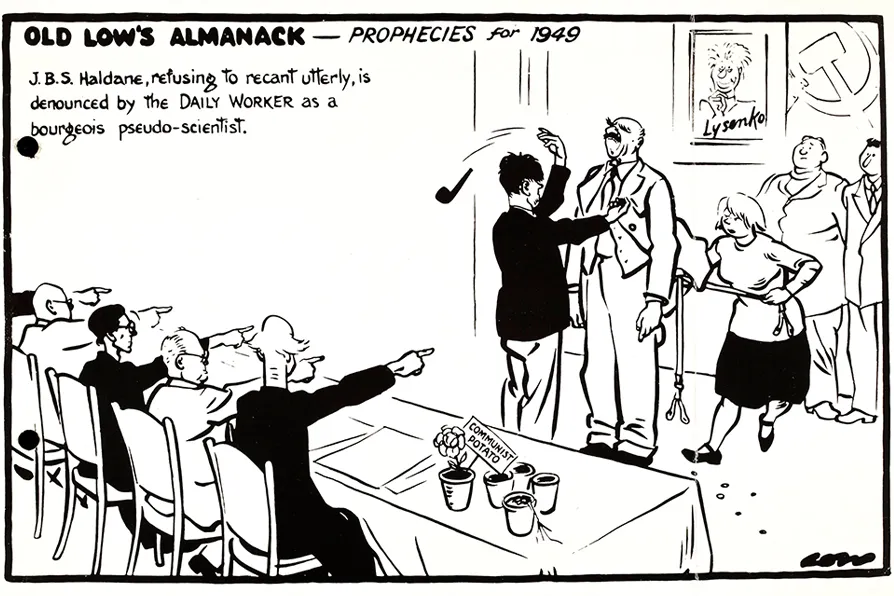
JOHN GREEN’s palate is tickled by useful information leavened by amusing and unusual anecdotes, incidental gossip and scare stories

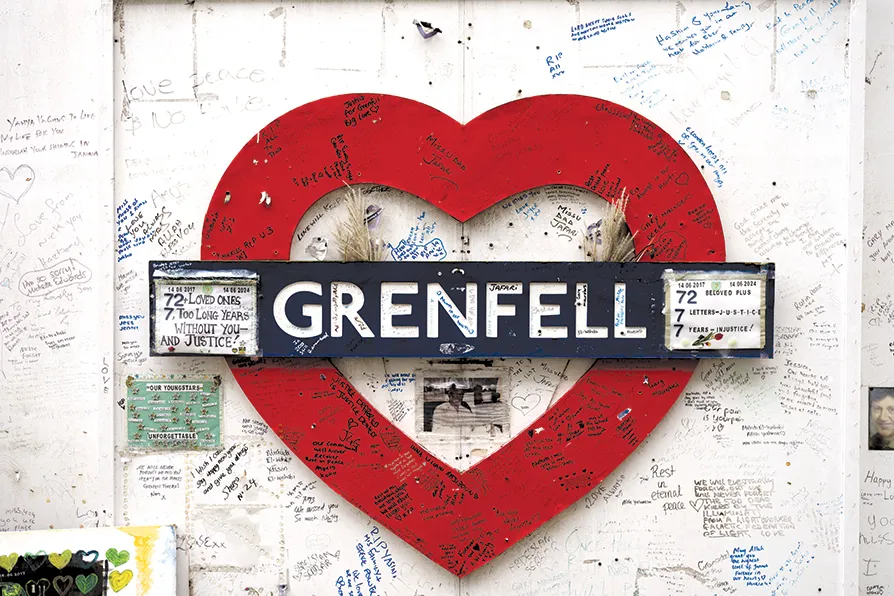
As we approach the half-anniversary of the Grenfell tragedy, the community gathers to remember loved ones while grappling with mixed emotions surrounding the ongoing deconstruction of the tower and the hopeful plans for a memorial, writes EMMA DENT COAD

Politicians who continue to welcome contracts with US companies without considering the risks and consequences of total dependency in the years to come are undermining the raison d’etre of the NHS, argues Dr JOHN PUNTIS