When the ravages of Alzheimer’s leave an elderly woman marooned in painful memories of October 1950, her grandchild comes up with a creative strategy.


 Latest editorial
Planetary concern writ large
As parts of the planet burn and others flood, climate-change fiction is an essential aid in facing the challenges of global warming, says ADELINE JOHNS-PUTRA
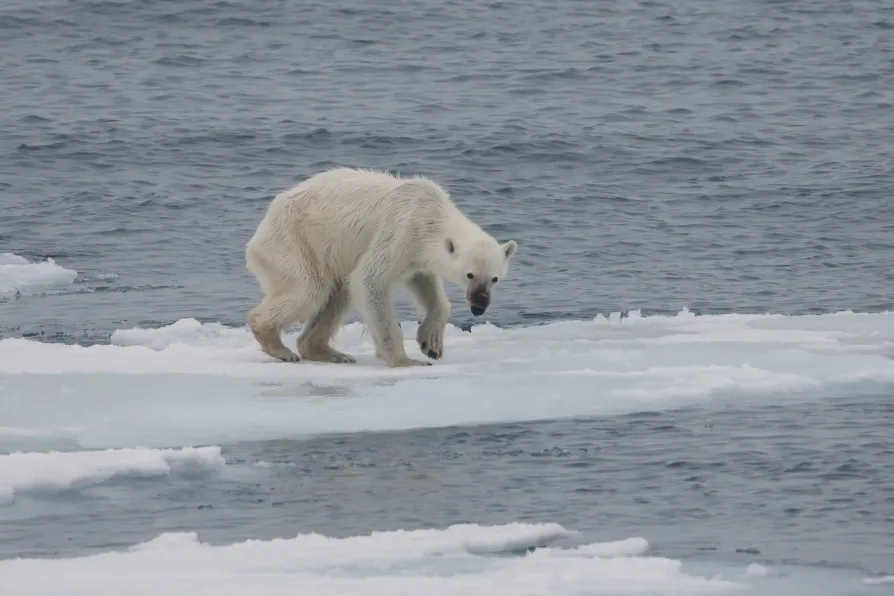 UNDER THREAT: Reduced sea ice due to climate change might cut the polar-bear population by two-thirds by 2050
[Andreas Weith]
UNDER THREAT: Reduced sea ice due to climate change might cut the polar-bear population by two-thirds by 2050
[Andreas Weith]
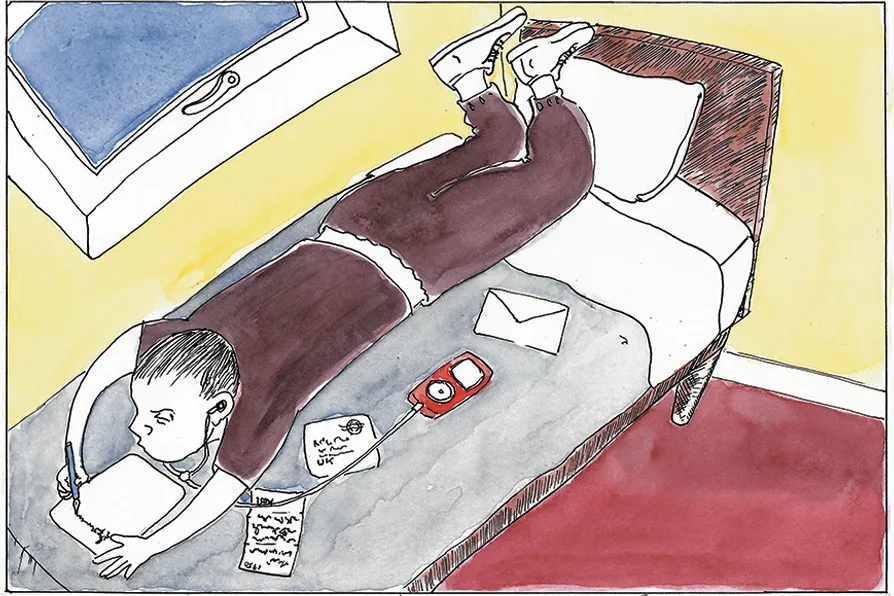
New releases from Simone White, Brass Funkeys, and Souad Massi
SUE TURNER is compelled by a history that shows how far a country can turn in on itself to collude with abuses of power
RON JACOBS is persuaded by the parallel drawn between Charles Manson and Donald Trump
In this comparison of Britain pre- and post Thatcher, WILL POMORE applauds the analysis, but distrusts the solutions offered
MARIA DUARTE defends a solid, late-career Spielberg conspiracy flick that calls for empathy in a hostile world


EVERY day brings fresh and ever more alarming news about the state of the global environment. To speak of mere climate change is now inadequate, for we are in a climate emergency. It seems as though we are tripping over more tipping points than we knew existed.
But our awareness is at last catching up with the planet’s climate catastrophes. Climate anxiety, climate trauma and climate strikes are now part of many people’s mental landscape and daily lives. This is almost four decades after scientists first began to warn of accelerated global warming caused by carbon dioxide increases in the atmosphere.
And so, unsurprisingly, climate fiction, climate-change fiction, “cli-fi” — whatever you want to call it — has emerged as a literary trend that’s gained astonishing traction over the past 10 years.

Similar stories
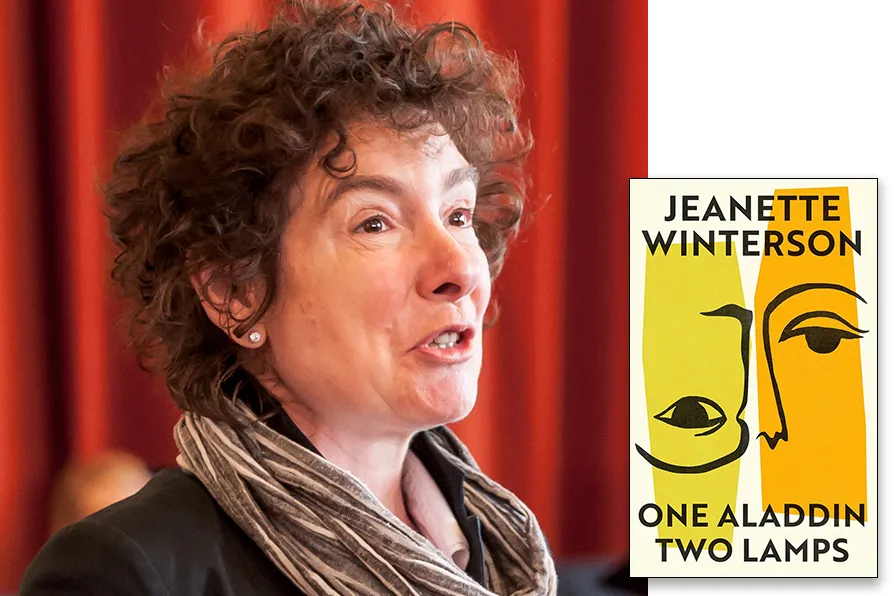
SYLVIA HIKINS relishes Jeanette Winterson’s brilliant hijack of 1001 Nights to push aside the boundaries set by others

JOHN GREEN asks how can we take decisive action on population levels with a world leader who is a destructive ignoramus
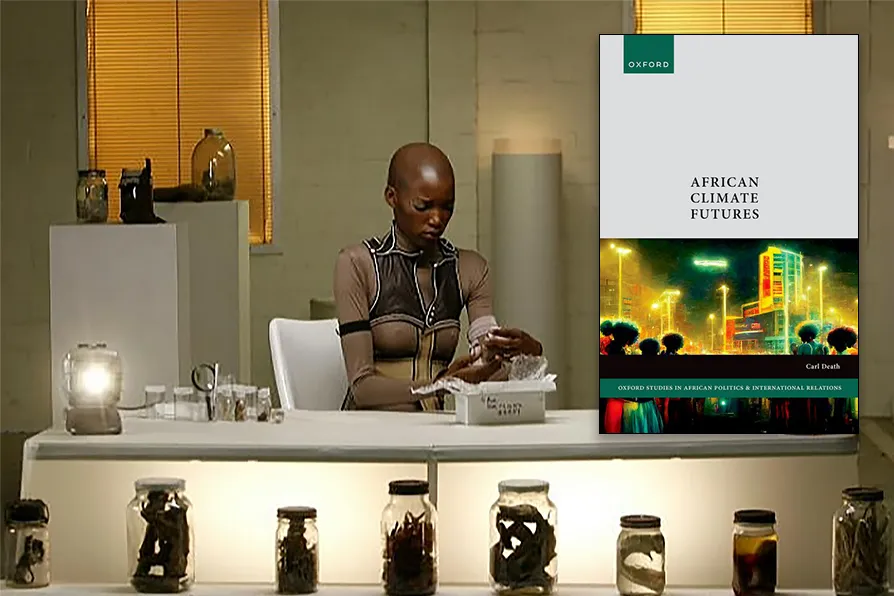
CARL DEATH introduces a new book which explores how African science fiction is addressing climate change

At the very moment Britain faces poverty, housing and climate crises requiring radical solutions, the liberal press promotes ideologically narrow books while marginalising authors who offer the most accurate understanding of change, writes IAN SINCLAIR