Players stress importance of unity and describe how war affects their preparations for the tournament


 Latest editorial
How football tackles hegemony through protest and activism
In JAMES WHITEHEAD'S final article on the sport's radical roots, we take a look at two of the most radically left-wing football supporters' groups around the world
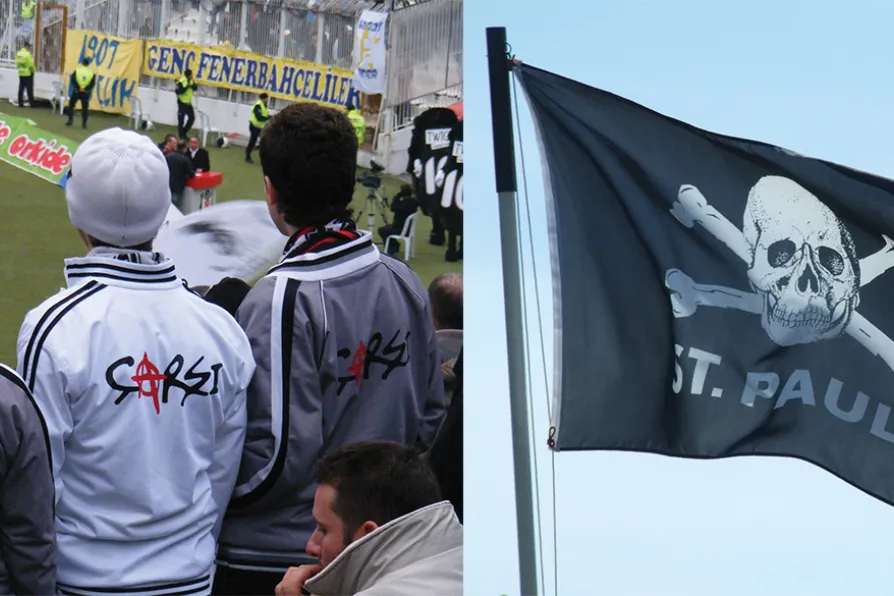 Young Carsi members watch Besiktas (left) and (right) The pirate flag famously flown by St Pauli fans


FOOTBALL has radical roots. The British authorities were unable to ban the game in medieval times. Its raw and rebellious character worried the state, with these sporadic games providing spaces of autonomy from the crown and church.
That tradition of resistance remains in the modern game, and is global.
Through football supporters’ groups, people have used the cultural space of their clubs to foster left-wing ideology; to organise and mobilise for multiple social issues, and to challenge authoritarians and hooligans.

Similar stories
The ban on Maccabi Tel Aviv fans was based on evidence of a pattern of violence and hatred targeting Arabs and Muslims, two communities that have a large population in Birmingham — overturning the ban was tacit acceptance of the genocidal ideology the fans espouse, argues CLAUDIA WEBBE
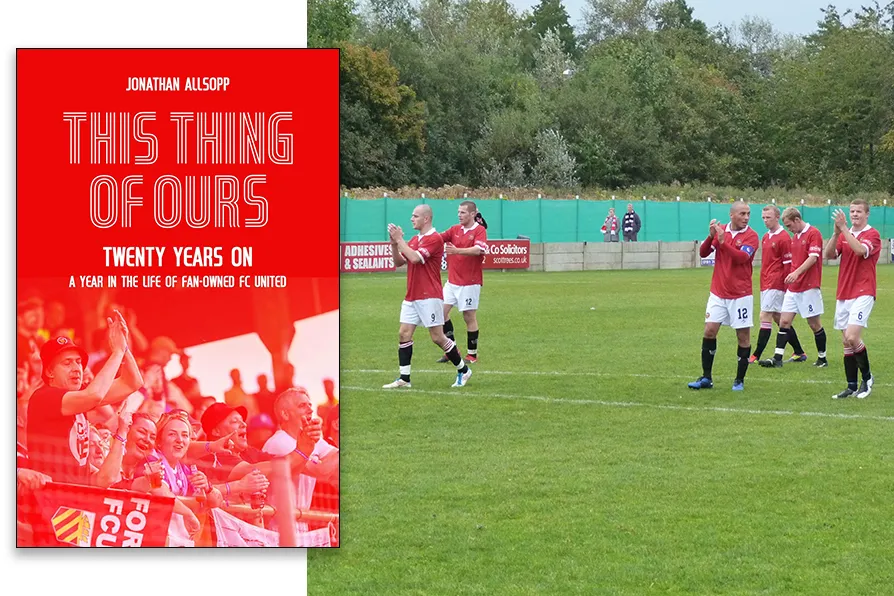
STEVEN ANDREW welcomes a fine introduction to FC United of Manchester, the team set up in opposition to Manchester United
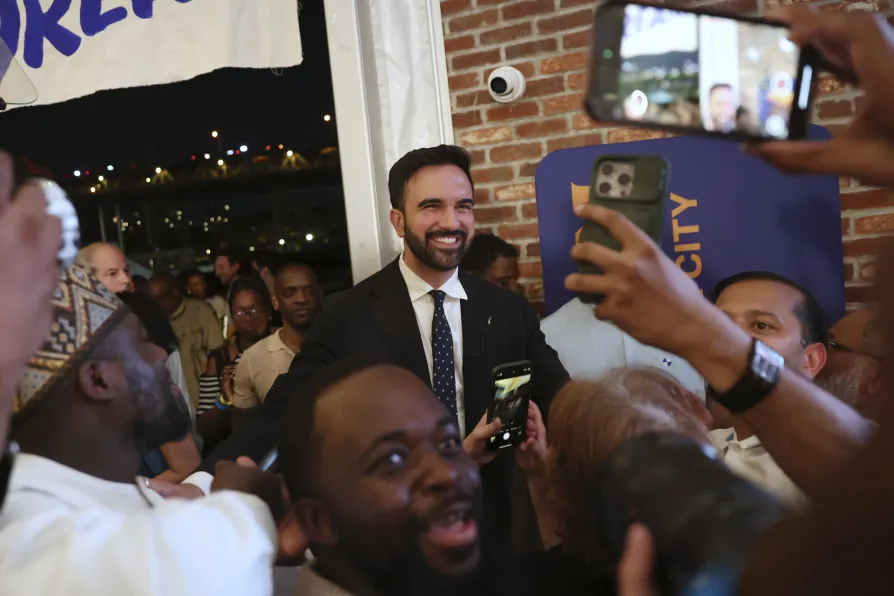
JAMES NALTON writes how at the heart of the big apple, the beautiful game exists as something more community-oriented, which could benefit hugely under mayoral candidate Zohran Mamdani