The new Employment Rights Act is a step forward, but restoring collective bargaining and union power remains essential to tackling insecurity, outsourcing and low pay, says PAUL WHITEHOUSE


 Latest editorial
Criticism grows over a ‘global Britain’ with more WMD at the cost of world’s poorest
Why is money being poured into increasing Britain's nuclear arsenal while the Tories say we cannot afford to maintain our commitments to international aid for the world's crisis zones, asks RAOUL WALAWALKER
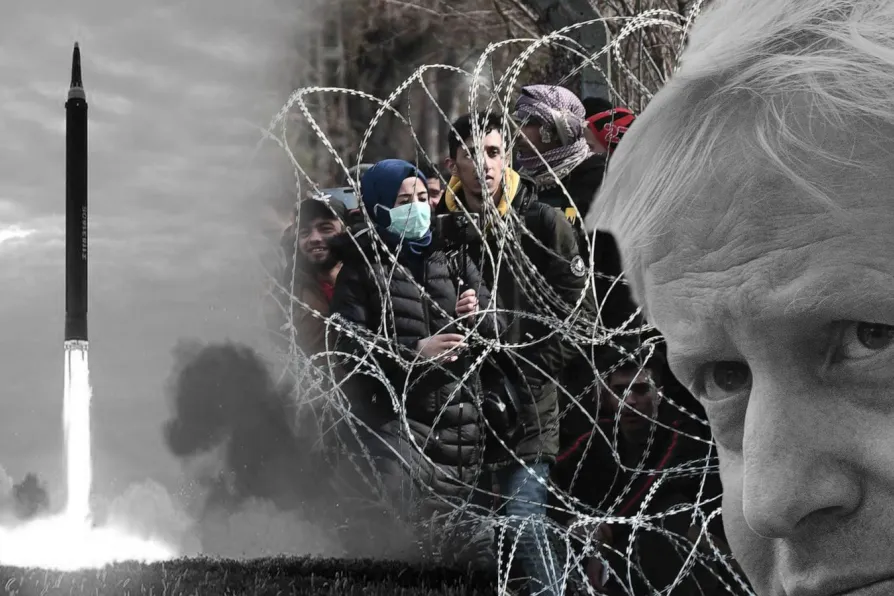 The concept of increasing the millions spent on weapons of mass destruction, unlikely to ever be used, while signing the death warrant of tens if not hundreds of thousands of desperate people has horrified charities, over a hundred of whom have already written to the government to condemn these cuts

Trade unionists are mobilising to support Cuban workers and public services, amid escalating US pressure on the socialist island. RONAN OGILVY explains
The defence secretary’s resignation reveals not a split over principle but a dispute over pace of military spending, as Britain’s political Establishment unites behind deeper Nato commitments, argues NICK WRIGHT
The ceasefire may have halted the fighting for now, but years of economic warfare and recent military attacks have left millions of Iranians facing hardship and uncertainty, says Codir’s RUBEN BRETT
The struggle for Palestinian freedom has become a defining issue for everyone committed to justice, democracy and peace, says PETER LEARY ahead of the Stop the War International Conference on Saturday
Unison director of organising KEVIN LUCAS explains the Organising to Win strategy, its successes to date and key tests on the union’s horizon


FOR charities, the government’s plan to cut foreign aid from 0.7 per cent to 0.5 per cent of GDP is clearly the worst stain on Boris Johnson’s vision for Global Britain in a Competitive Age, outlined last week, as the coronavirus pandemic ramps up the pressure on the world’s poorest countries already ravaged by prolonged crises of violence and poverty.
Johnson’s “vision” — the Integrated Review of Security, Defence, Development and Foreign Policy — includes boosting the cap of Britain’s nuclear weapons stockpile from 180 to 260 while cutting the aid budget until the “fiscal situation allows” it to be restored; no date specified.
The concept of increasing the millions spent on weapons of mass destruction, unlikely to ever be used, while signing the death warrant of tens if not hundreds of thousands of desperate people has horrified charities, over a hundred of which have already written to the government to condemn these cuts.

Similar stories

British military spending is among the highest in the world, diverts scarce resources from far better causes and fuels international conflict. It’s time we made different choices, argues LIZ PAYNE

Fertiliser chaos triggered by Gulf conflict could send prices soaring and leave millions facing devastating hunger, writes DYLAN MURPHY
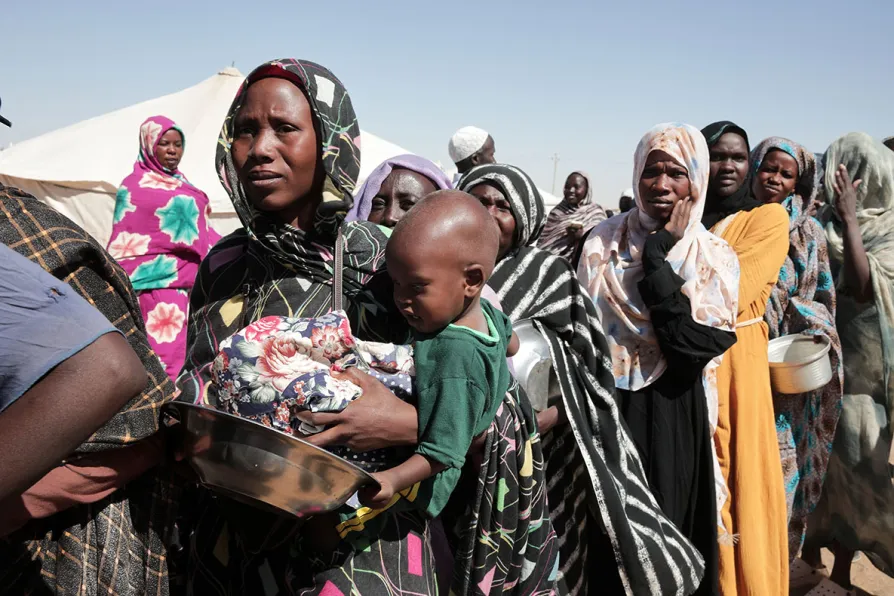
MAISSON HASSAN highlights how amid bombed-out cities and collapsing hospitals, women-led initiatives are keeping communities alive
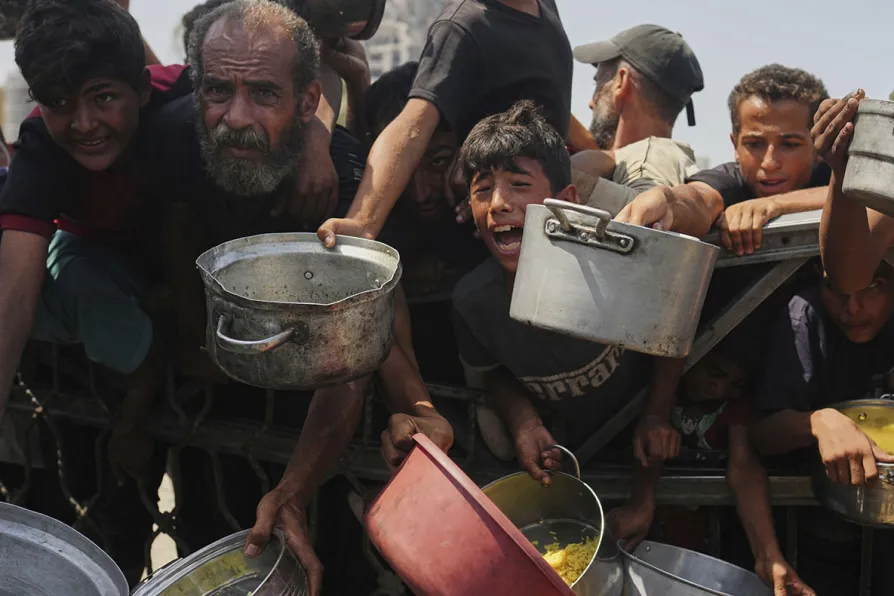
For those in the West, hunger is often just the familiar feeling of a growling stomach between meals — in Gaza, it has become a strategic weapon of slow, systematic and deadly destruction, writes MARC VANDEPITTE