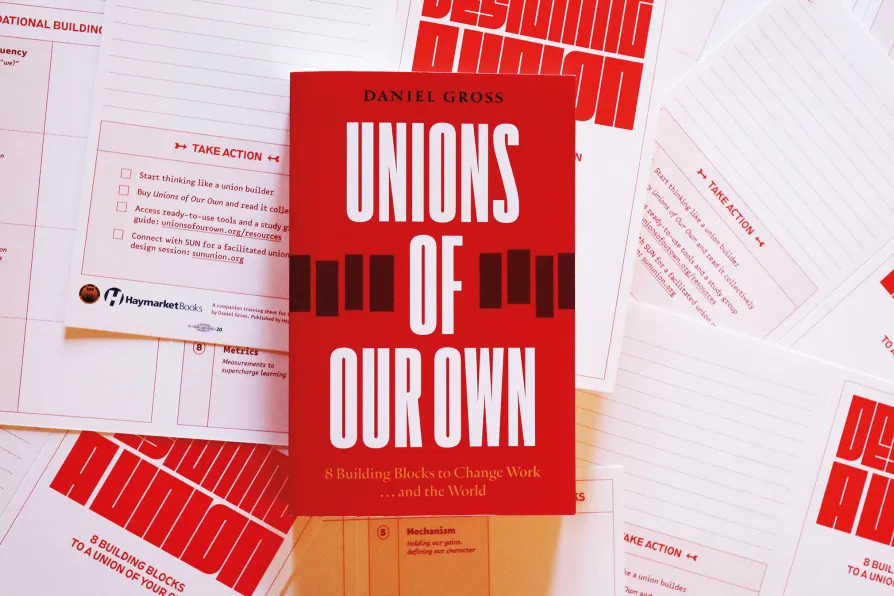
US-based labour and social movements authors and organisers Robert Ovetz and James Tracy interview DANIEL GROSS about his new book, Unions of Our Own: Eight Building Blocks to Change Work and the World


 Latest editorial

Justice delayed is justice denied
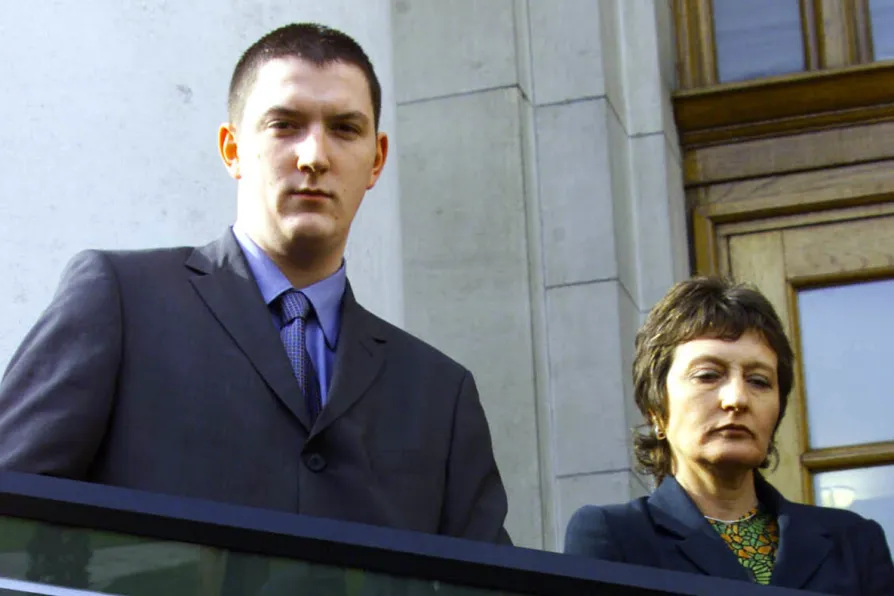
As the British government continues to callously refuse justice to the memory of Pat Finucane and deny the truth to his grieving widow and family, FRA HUGHES revisits the murky circumstances surrounding the civil rights lawyer’s death
JOHN CALLOW introduces the work of Geoffrey Trease, who placed ordinary people at the centre of his historical fiction for children, creating adventurous stories to inspire the possibilities of social change
The Isle of Wight’s Victorian holiday boom drew visitors from across Europe, including the founders of scientific socialism, writes KEITH FLETT
The campaign against the Bank of England’s ongoing theft of Venezuelan gold is gaining support across the labour movement and beyond, writes MATT WILLGRESS
Unless ministers match reform with investment, the profession and the people it serves will continue to bear the cost, says KATE RAMSDEN
Claims that Nicaragua has abolished elections followed a headline that stripped Daniel Ortega’s remarks of their historical and political context. The full speech tells a different story, says BECCA RENK FOSTER


PAT FINUCANE was gunned down as he sat down to dinner with his family one Sunday evening in Belfast on February 12 1989, just two days before celebrating Valentine’s Day with his beloved wife Geraldine.
Two gunmen broke down his front door before entering the dining area and brutally murdering him.
Finucane was a well-known, high-profile civil rights and human rights lawyer, who defended many leading republicans being brought before the courts and charged with varying offences connected to the ongoing national war of liberation being waged by the Irish against the continued occupation of Ireland by Britain.

Similar stories

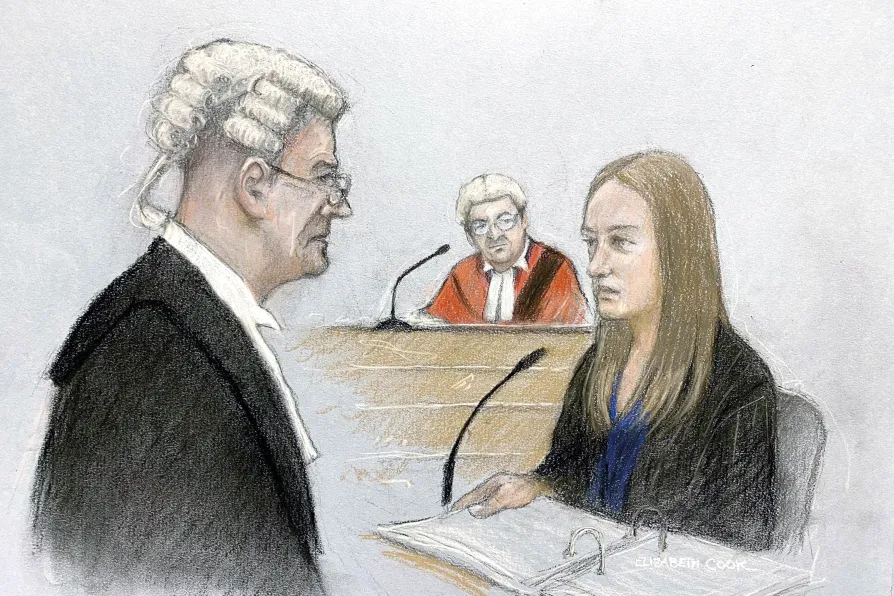
Former judge ANSELM ELDERGILL examines the details and controversy of Lucy Letby’s trial and appeal in the context of famous historical wrongful convictions that prove both the justice system and legal activists make errors

Alvaro Uribe is found guilty of witness tampering and procedural fraud, reports NICK MACWILLIAM