The social base of the old Tory Party has disappeared as surely as that of Labour, argues ANDREW MURRAY – today’s right are the debased offspring of a capitalism that speculates without investing and profits without producing


 Latest editorial
Why would Nationalists hold up a united Ireland?
From Belfast, FRA HUGHES reports on a topsy-turvy and upside-down political mess with those supposedly in favour of uniting the island looking out for narrow electoral interests instead, as 100 years of 'Northern Ireland' approaches

SEVIM DAGDELEN says European Nato states are escalating ever closer to direct conflict with a nuclear power, and sacrificing welfare states built up over a century to finance it
KENNY MacASKILL says the lines between party, government and Civil Service in Scotland have been blurred and we need a thorough investigation into how
IAN SINCLAIR examines the curious memory lapses across liberal media when it comes to British government crimes
STEPHEN ARNELL looks at some of the notorious political corruption cases from British history
ENRIQUE SANTIAGO ROMERO says the Colombian far-right’s election victory is deeply suspect — and the United States has its fingerprints all over it
History suggests apartheid ends not through appeals to conscience alone but through sustained economic and political pressure, says HUGH LANNING


AS Irish Republicans and Nationalists commemorate the centenary of Terence James MacSwiney, the lord mayor of Cork who died on hunger strike in October 1920, the current Taoiseach of Ireland Michael Martin has ruled out a border poll on Irish reunification — while the former First Minister of the North of Ireland Peter Robinson calls on Unionism to prepare for the vote.
MacSwiney, the playwright, author and politician, had been arrested for sedition against the British military and political occupation of Ireland during the War of Independence and died after 74 days in London’s Brixton prison aged 41. His funeral in Cork was attended by tens of thousands of mourners. What would he make of his nation’s leaders today?
Taoiseach Martin, an elected Irish leader whose party’s founding ideology was built on national reunification, eschews that very principle — while the ex-leader of a Unionist party built on the continuation of the link with Britain, debates the position Unionism might adopt in the event of a border poll.
The present leader of the Orange Order in Ireland is calling for a new North of Ireland based on continued consent to remain in the UK and is making plans for a 12-month centenary celebration next year for the mini-state which was born in violent division and discrimination in 1921.
A state with a bloody sectarian history founded on a religious headcount that turned a Unionist Protestant minority in the whole of Ireland into a regional majority in a partitioned Ireland.

Similar stories
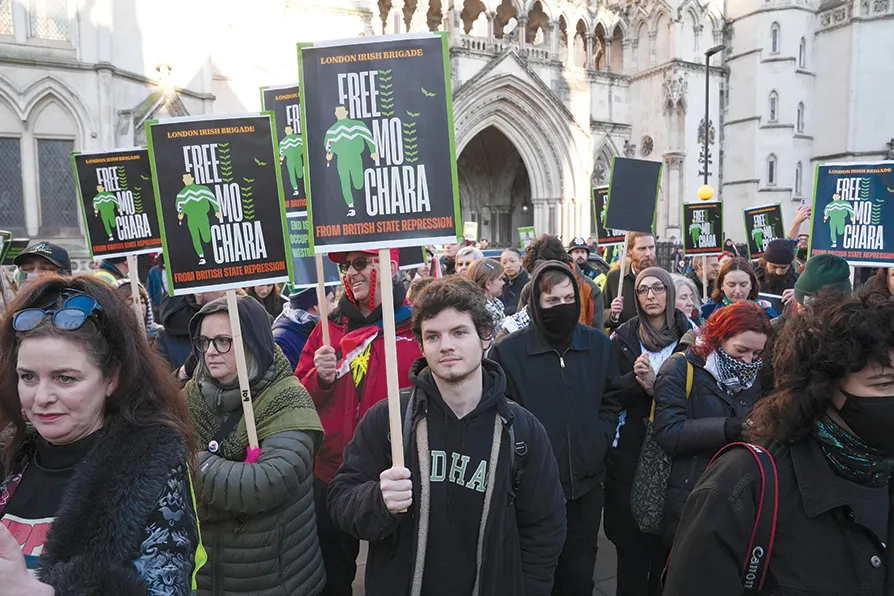
AARON SMITH discusses why the Protestant diaspora are still part of Yeats’s ‘Indomitable Irishry’, and an integral part of any future united Ireland.
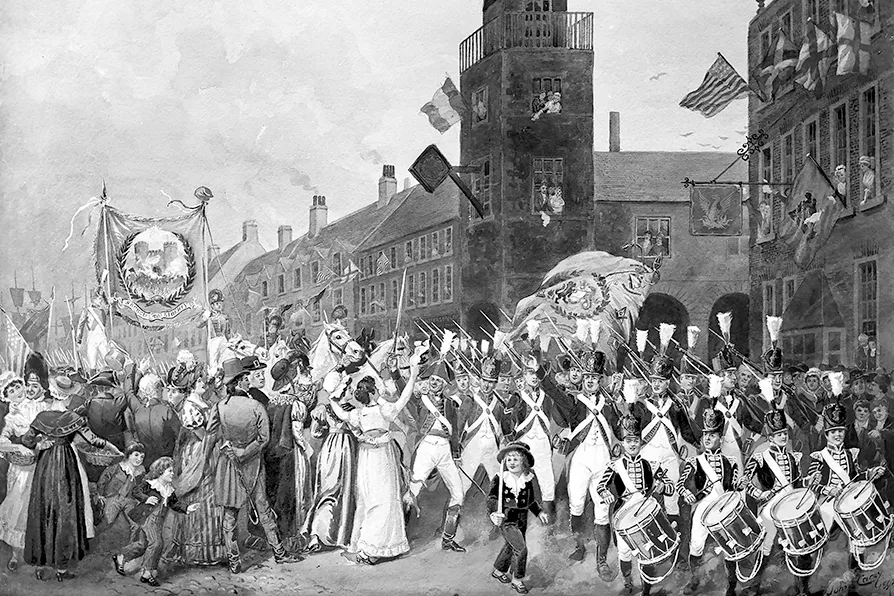
TOM GALLAHUE argues that asking what role Irish diaspora educators can play in shaping Irish unity is to ask a deeper question about democracy itself
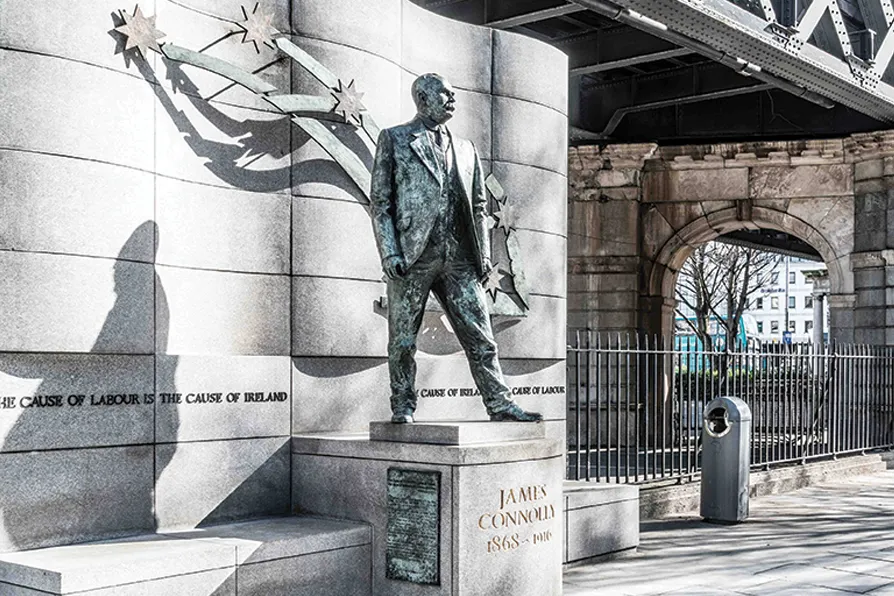
A new group within the NEU is preparing the labour movement for a conversation on Irish unity by arguing that true liberation must be rooted in working-class solidarity and anti-sectarianism, writes ROBERT POOLE
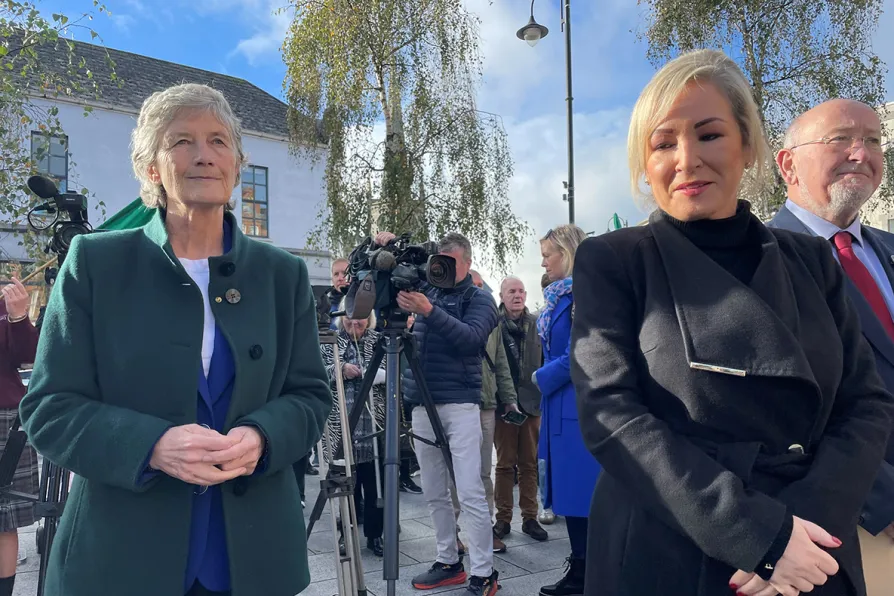
The independent TD’s campaign has put important issues like Irish reunification and military neutrality at the heart of the political conversation, argues SEAN MacBRADAIGH