A new generation of right-wing politicians have shifted from promoting deregulation to championing anti-migrant politics warns SOLOMON HUGHES


 Latest editorial

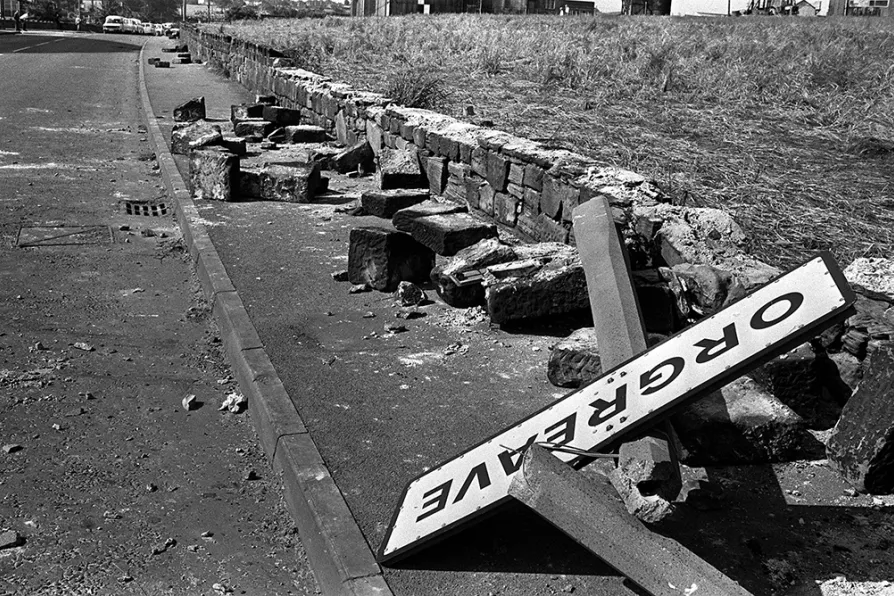
The State versus the people: we need an inquiry into Orgreave
The Tories' silence on the policing of the 1984-5 miners' strike is irreconcilable with the approach of Scotland and Wales, writes Chris Hockney, chair of the Orgreave Truth and Justice Campaign

by the Greater Manchester Workers’ and Tenants’ Association
The US relationship with Israel has evolved into a strategic liability, argues RAMZY BAROUD
A champion motorcyclist, trade union organiser and communist, Clem Beckett went from Britain’s speedway tracks to the battlefields of Spain, where he gave his life resisting Franco’s forces at Jarama. GEOFF BOTTOMS pays tribute to this remarkable anti-fascist
The greatest threat to democracy may no longer come from political parties but from unelected tech oligarchs like Peter Thiel and his powerful Silicon Valley network, argues JOHN GREEN
Claiming to ease a fertiliser shortage, the Trump administration has suspended tariffs on Moroccan phosphate imports – deepening US support for the Morocco’s control over Sahrawi territory, writes LUKE ROTELLO


TODAY is the 4th anniversary of the 2016 Tory home secretary Amber Rudd’s decision not to hold any inquiry into the events at Orgreave during the miners’ strike against pit closures in June 1984.
The Orgreave Truth and Justice Campaign (OTJC) expected her to announce some form of inquiry, due to OTJC legal evidence and comments and questions that both Rudd and previous home secretary Theresa May had made in meetings with the campaign.
In her speech to the 2016 Police Federation conference, May even talked about dealing with historic injustices for those communities which had suffered.

Similar stories
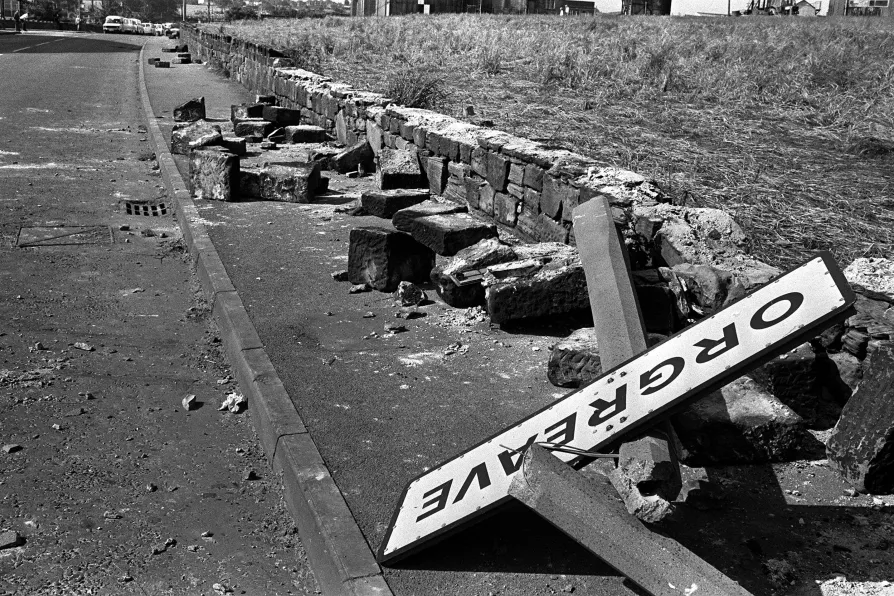
The public inquiry is the result of more than a decade of determined campaigning. Now, those who fought for justice want the full story of government involvement and police conduct to be told, says KATE FLANNERY
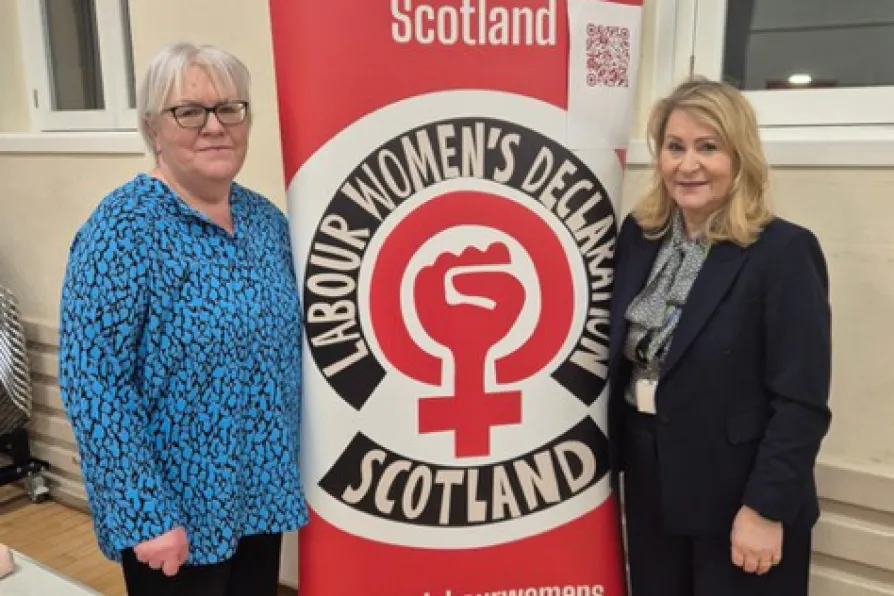
NORMA AUSTIN HART reports from a conference on on the rights of women prisoners in the Scottish criminal justice system

A past confrontation permanently shaped the methods the state will use to protect employers against any claims by their employees, writes MATT WRACK, but unions are readying to face the challenge
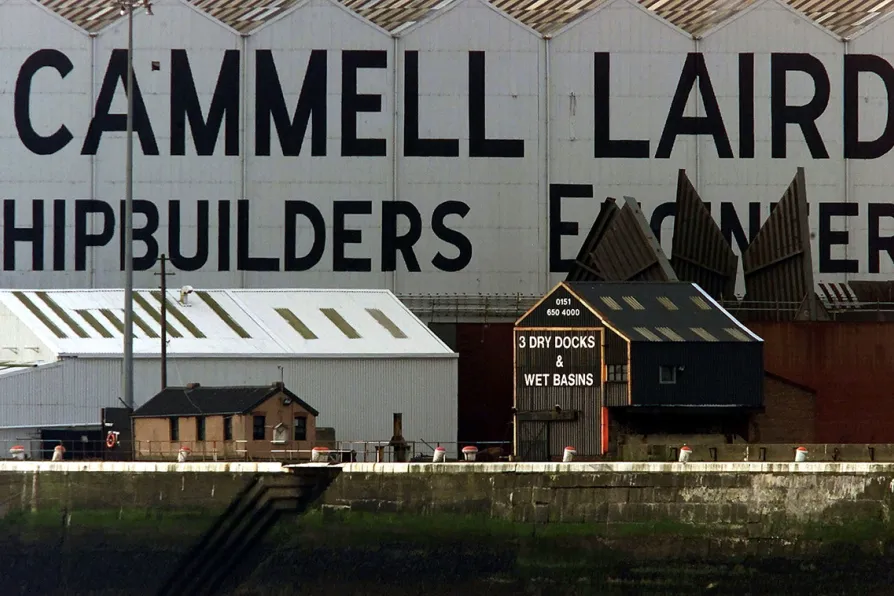
KIM JOHNSON MP places the campaign in the context of the history of the working-class battles of the 1980s, and explains why, just like Orgreave and the Shrewsbury Pickets before it, justice today is so important for the struggles of tomorrow