While international actors discuss governance and reconstruction, Netanyahu has made it clear that Israel has no intention of ending its military occupation, says RAMZY BAROUD


 Latest editorial
We must work to prevent a potentially disastrous new cold war
In an increasingly connected world, our problems can’t be solved with escalating tensions, relentless propaganda and the threat of military conflict, says CARLOS MARTINEZ
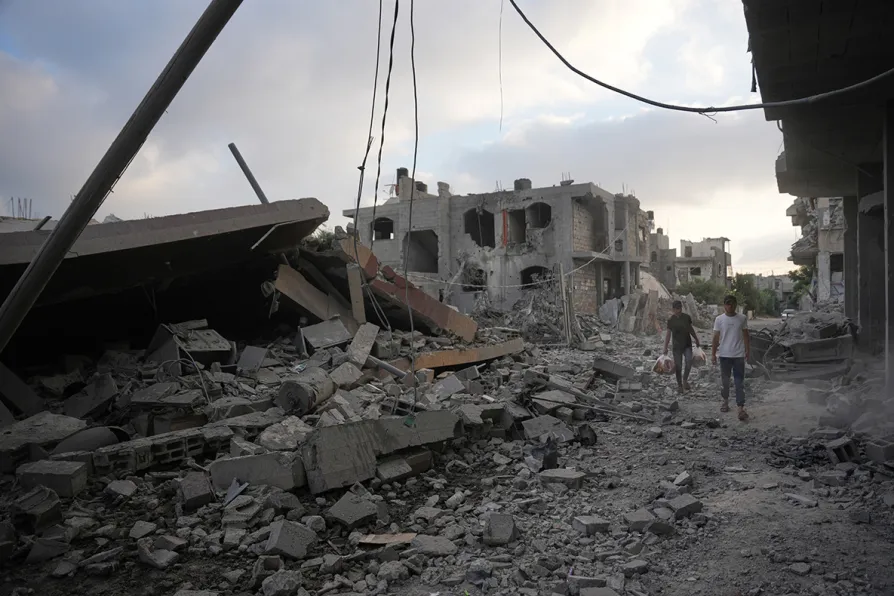
NICK WRIGHT continues his series analysing the trends in European politics
We have the alternative economics, histories of our struggles and the confidence to change the world
General Federation of Trade Unions assistant general secretary HENRY FOWLER reports on the final day from the GFTU’s residential Summer School at the Workers’ Retreat, Quorn Grange Hotel
Capitalism has exploited — and polluted — our natural resources for too long, it’s time we treated our rivers as living beings, writes MIRIUM GAUNTLETT, LIAM SHAW and ROX MIDDLETON
Treating the Clacton by-election as a joke risks reinforcing the Reform leader’s claim to be the victim of an out-of-touch Establishment, argues JOHN McINALLY
MPs and others called for the urgent release of tortured Palestinian doctor, Hussam Abu Safiya, held hostage by Israel and reportedly near death, reports LINDA PENTZ GUNTER


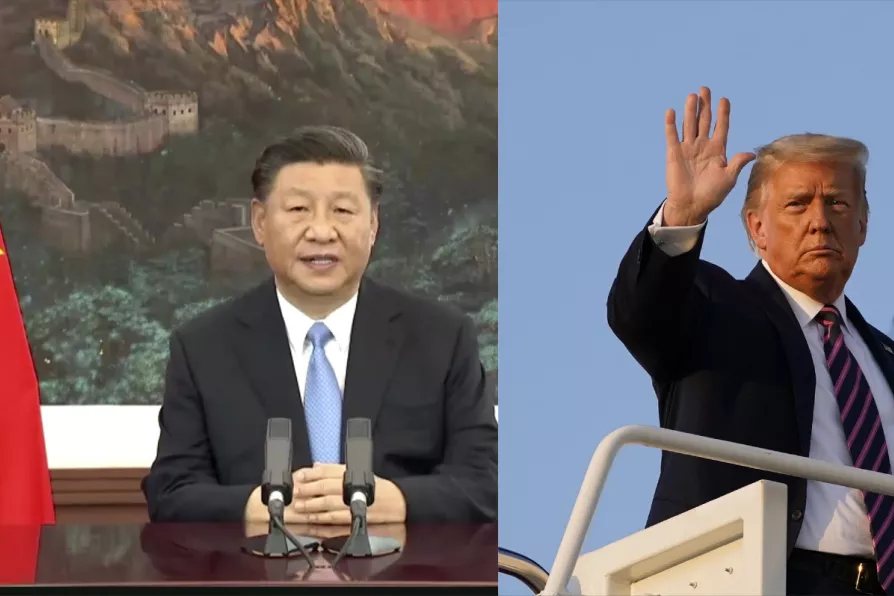
SINCE Richard Nixon’s 1972 visit to Beijing, the trajectory of US-China relations had been towards greater levels of co-operation and economic integration, even if these masked deep underlying contradictions and the ever-present possibility of confrontation.
However, over the course of the last few years, we’ve witnessed a significant shift in US foreign policy with respect to China.
In 2011 the Obama administration announced its “pivot to Asia,” in which it aimed to shift its focus away from bombing the Middle East and towards “advancing American interests” in the Pacific.

Similar stories
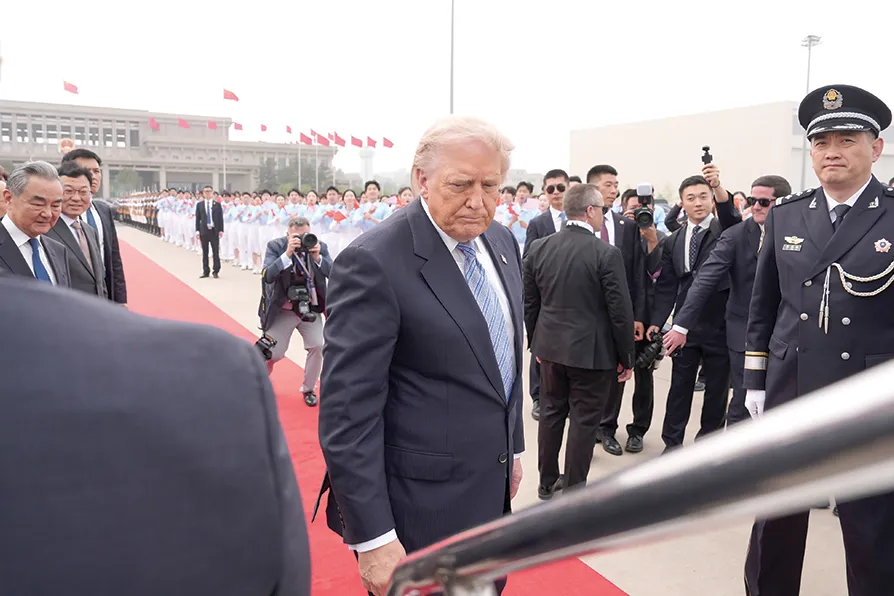
JENNY CLEGG looks at the key points that defined the China-US relationship, for now
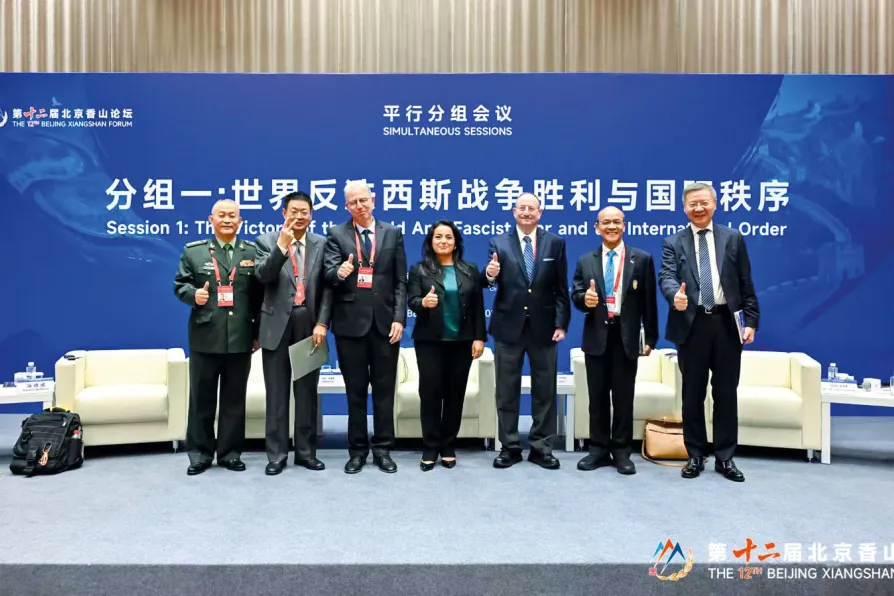
In a speech to the 12th Xiangshan Forum in Beijing, SEVIM DAGDELEN warns of a growing historical revisionism to whitewash Germany and Japan’s role in WWII as part of a return to a cold war strategy from the West — but multipolarity will win out
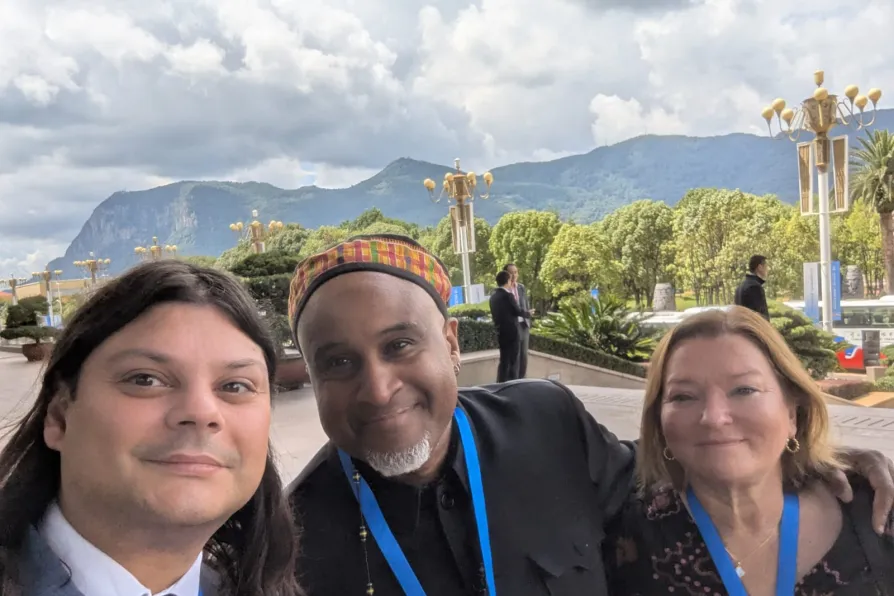
ROGER McKENZIE argues that the BRI represents a choice between treating humans as commodities or as equals — an essential project when, aside from China’s efforts, hundreds of millions worldwide are trapped in poverty
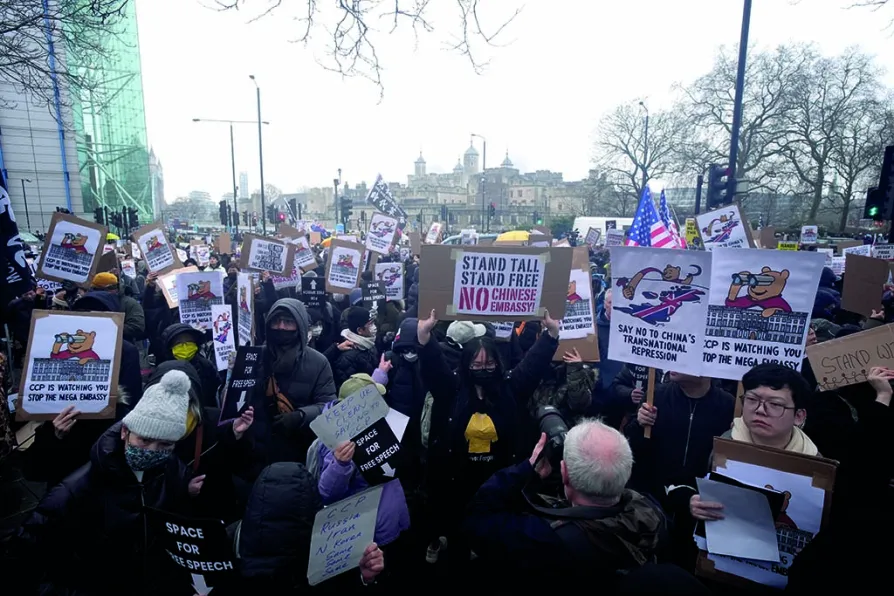
From anonymous surveys claiming Chinese students are spying on each other to a meltdown about the size of China’s London embassy, the evidence is everywhere that Britain is embracing full spectrum Sinophobia as the war clouds gather, writes CARLOS MARTINEZ