While international actors discuss governance and reconstruction, Netanyahu has made it clear that Israel has no intention of ending its military occupation, says RAMZY BAROUD


 Latest editorial
The media demonisation of Jeremy Corbyn — the evidence: an interview with Nicholas Jones
Former BBC industrial correspondent NICHOLAS JONES is interviewed by Richard House on his research into the media vilification of Jeremy Corbyn
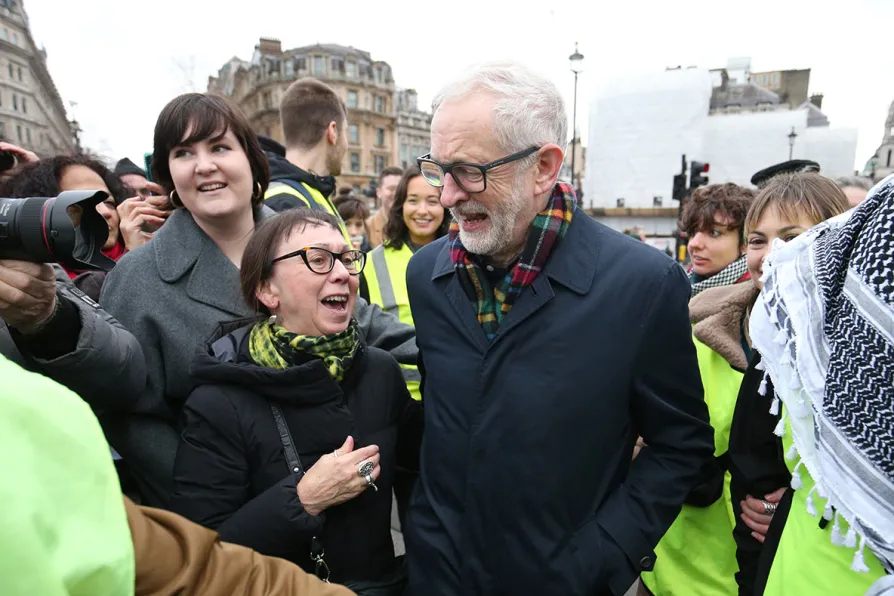

NICK WRIGHT continues his series analysing the trends in European politics
We have the alternative economics, histories of our struggles and the confidence to change the world
General Federation of Trade Unions assistant general secretary HENRY FOWLER reports on the final day from the GFTU’s residential Summer School at the Workers’ Retreat, Quorn Grange Hotel
Capitalism has exploited — and polluted — our natural resources for too long, it’s time we treated our rivers as living beings, writes MIRIUM GAUNTLETT, LIAM SHAW and ROX MIDDLETON
Treating the Clacton by-election as a joke risks reinforcing the Reform leader’s claim to be the victim of an out-of-touch Establishment, argues JOHN McINALLY
MPs and others called for the urgent release of tortured Palestinian doctor, Hussam Abu Safiya, held hostage by Israel and reportedly near death, reports LINDA PENTZ GUNTER


Richard House (RH): Many readers will remember you well from the 1980s when you were in the front line of reporting on the miners’ strike for the BBC and your famous interviews with Arthur Scargill and National Coal Board chairman Ian MacGregor. Can you say something about that period and the extent to which you were aware of anti-left media bias then?
Nicholas Jones (NJ): Throughout the big industrial disputes of the 1980s Margaret Thatcher had the unwavering support of most newspapers.
Press proprietors were in full support of the steps being taken by the Conservative government to tighten industrial and employment law and curb trade union power.
Union leaders of the day, such as Alan Fisher (National Union of Public Employees), Joe Wade (National Graphical Association), Ray Buckton (Aslef) and especially Arthur Scargill (NUM), were vilified, as was almost the entire labour and trade union movement.

Similar stories
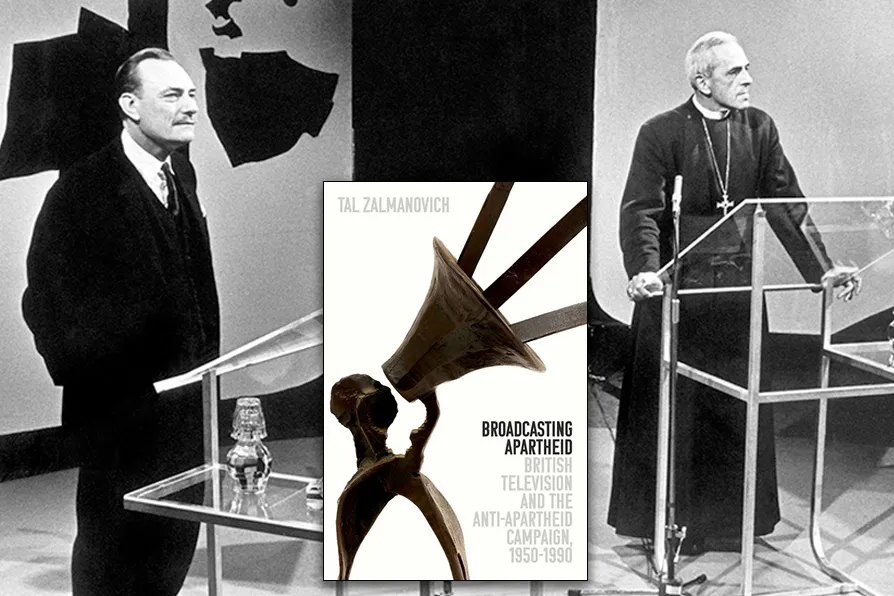
NADIA JOSEPH welcomes a survey of the role that TV played in the debate over apartheid and race relations in Britain
![[Pic: Andrew Wiard]](https://morningstaronline.co.uk/sites/default/files/styles/desktop/public/2026-01/19860503_a_wiard_0003.jpg.webp?itok=mR5zV0nE)
The once beating heart of British journalism was undone by technological change, union battles and Murdoch’s 1986 Wapping coup – leaving London the only major capital without a press club, says TIM GOPSILL
At the very moment Britain faces poverty, housing and climate crises requiring radical solutions, the liberal press promotes ideologically narrow books while marginalising authors who offer the most accurate understanding of change, writes IAN SINCLAIR
In the run-up to the Communist Party congress in November ROB GRIFFITHS outlines a few ideas regarding its participation in the elections of May 2026