The new Employment Rights Act is a step forward, but restoring collective bargaining and union power remains essential to tackling insecurity, outsourcing and low pay, says PAUL WHITEHOUSE


 Latest editorial
Scottish independence would not challenge the broken capitalist system
Holyrood is in great danger of just becoming another Westminster, writes AIDEN O’ROURKE
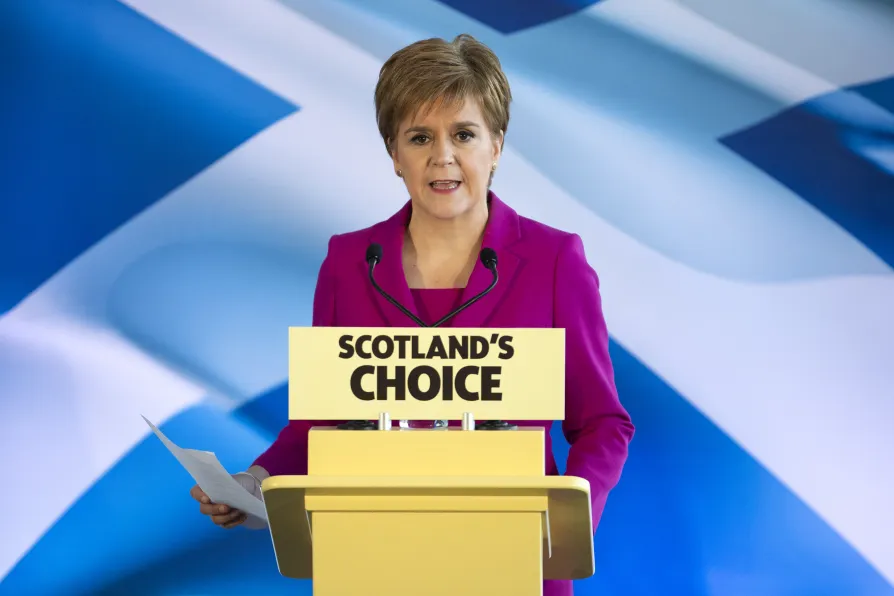 Scotland's First Minister Nicola Sturgeon

Trade unionists are mobilising to support Cuban workers and public services, amid escalating US pressure on the socialist island. RONAN OGILVY explains
The defence secretary’s resignation reveals not a split over principle but a dispute over pace of military spending, as Britain’s political Establishment unites behind deeper Nato commitments, argues NICK WRIGHT
The ceasefire may have halted the fighting for now, but years of economic warfare and recent military attacks have left millions of Iranians facing hardship and uncertainty, says Codir’s RUBEN BRETT
The struggle for Palestinian freedom has become a defining issue for everyone committed to justice, democracy and peace, says PETER LEARY ahead of the Stop the War International Conference on Saturday
Unison director of organising KEVIN LUCAS explains the Organising to Win strategy, its successes to date and key tests on the union’s horizon


SCOTLAND, fundamentally, is a nation. But we have to delve into its history to start to understand how the national question has developed.
Our nation formed in the 9th century, it existed as a nation until 1707, when the Act of Union, building on the previous century’s Union of Crowns, saw Scotland unify with its historical rival, England, to form Great Britain.
Like most western European nations, Scotland developed firstly into a feudal and then into a capitalist nation.

Similar stories
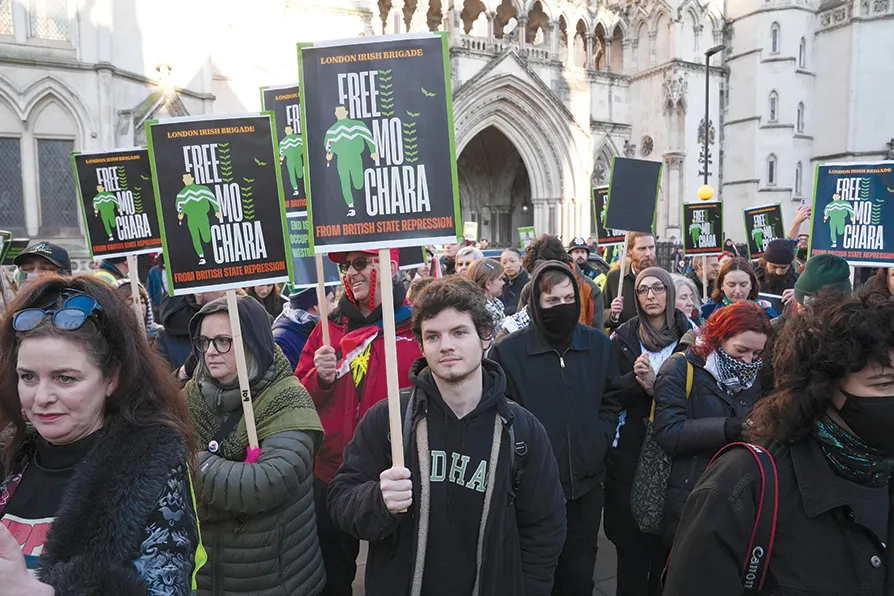
AARON SMITH discusses why the Protestant diaspora are still part of Yeats’s ‘Indomitable Irishry’, and an integral part of any future united Ireland.
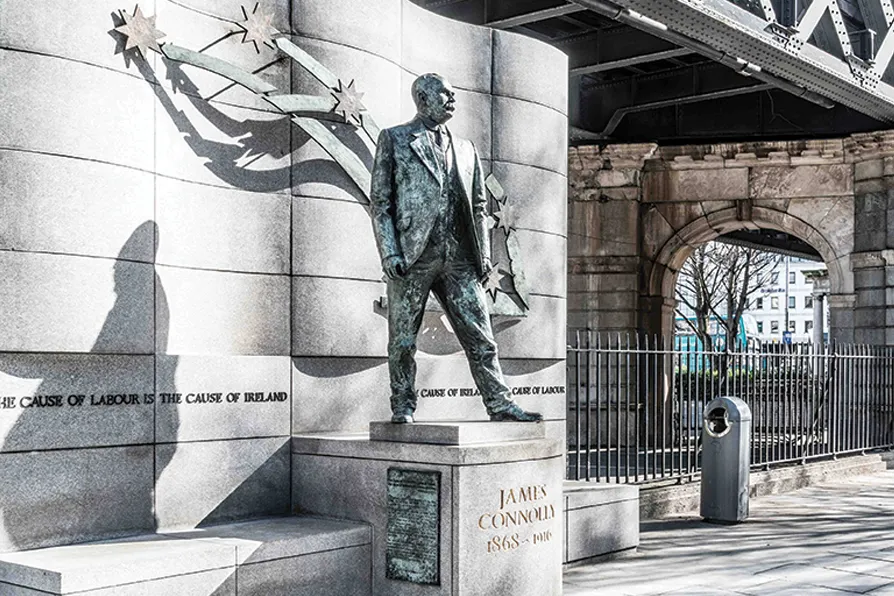
A new group within the NEU is preparing the labour movement for a conversation on Irish unity by arguing that true liberation must be rooted in working-class solidarity and anti-sectarianism, writes ROBERT POOLE
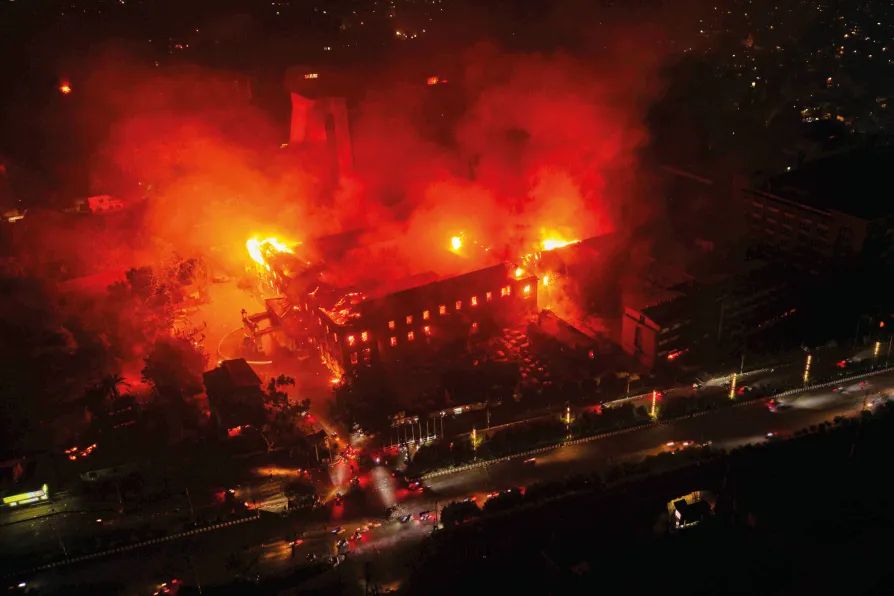
Following the resignation of Nepali Prime Minister KP Oli amid mass youth-driven protests, different narratives have circulated which simplify and misrepresent the complexities and reality on the ground in Nepal at the roots of this crisis, argue VIJAY PRASHAD and ATUL CHANDRA
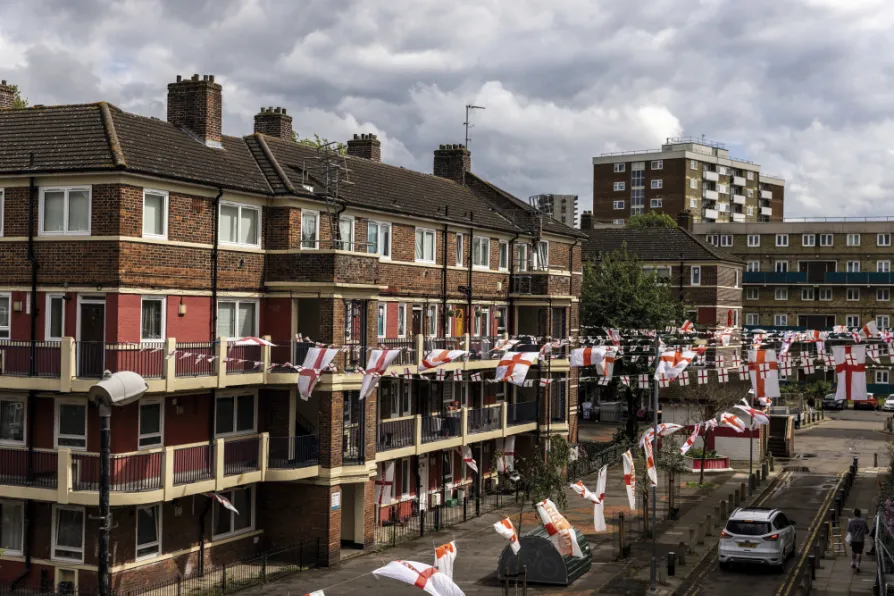
Millions of ordinary English people of all backgrounds consider the cross their own — abandoning it, and its left-wing history that includes the peasants’ revolt, concedes vital ground to the right, argues SIMON BRIGNELL