Special report by PEOPLE’S WORLD


 Latest editorial
Emily Wilding Davison and the Northumberland connection
JON TAIT, whose great grandmother was called Davison, wonders whether his ancestors had any links with the legendary suffragette
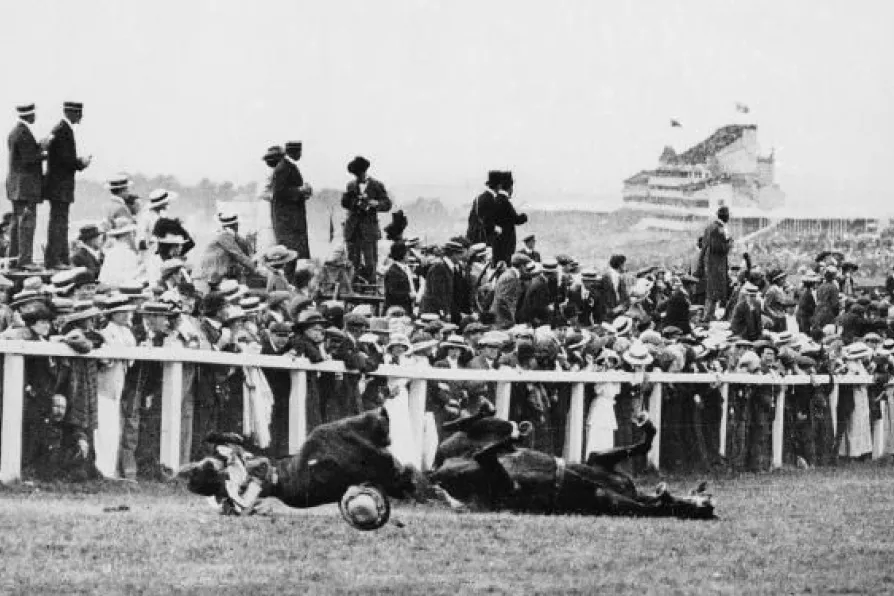 Emily Wilding Davison is killed by the King's horse in 1913
NICK WRIGHT considers how the isolation of Israel and a new film on the controversial Italian communist leader are creating new reference points for Italy’s left
CARLOS MARTINEZ says Cuba’s achievements in the face of a criminal blockade are startling, but the island’s future if the United States succeeds in crushing it looks bleak
AMNON BROWNFIELD STEIN reports that far-right MPs who mobbed the event organised by Hadash may have helped raise awareness of the brutality of the Israeli right
Born on this day in 1931, the heroic revolutionary faces a dangerous new wave of White House aggression. We must treat his birthday as a rallying cry to resist the illegal siege of Cuba, writes ROGER McKENZIE
RAMZY BAROUD decries the rats of Gaza, the rodent and human type. Both abound as profiteering from tragedy reaches obscene levels


A DISTANT Canadian relative once asked if our family were related to the famous suffragette Emily Wilding Davison.
My third great grandmother was, you see, named Barbara Davison and came from a farm near the small Northumbrian village of Longhorsley that is connected to the celebrated member of the Women’s Social and Political Union (WSPU), who died of her injuries after walking out in front of the King’s horse Anmer at the 1913 Derby.
Emily’s political activism to secure the vote for women was much more than just that one infamous moment, however; she went on hunger strike seven times, was arrested on at least nine occasions, and famously hid in the Palace of Westminster on the night of the 1911 census.

Similar stories
A lifelong communist and community organiser, Pinder helped shape anti-racist and anti-colonial activism in Britain while dedicating himself to youth work and collective struggle, writes David Horsley
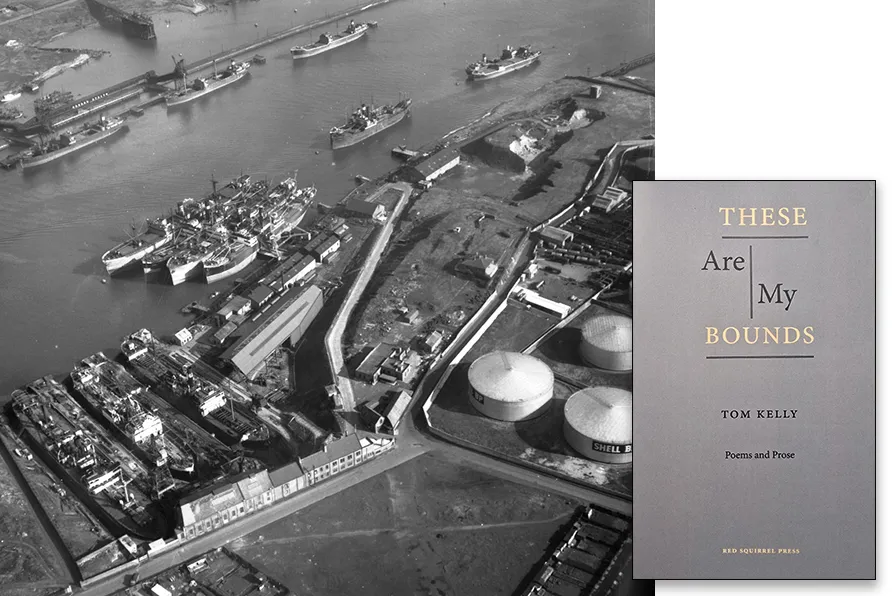
ALAN MORRISON recommends a consummate, heart-warming collection about a working-class upbringing in the industrial north-east

Maggie Bowden was a trailblazing campaigning lawyer at Birnberg and Thompsons, women’s organiser of the Communist Party, and general secretary of Liberation