IAN LAVERY MP says an immediate focus on raising wages and reducing costs must be part of a strategy to show Labour can deliver for workers again


The ‘Remain Alliance’ is a sad prospect
The likelihood of an anti-Brexit lash-up fighting a general election this autumn demonstrates much about British politics’ current malaise, writes DAVID B MORGAN


Friedrich Merz’s call for a new Plaza Accord ignores how Washington’s 1985 currency ambush destroyed Japan without fixing US deficits — China, a sovereign socialist state with 1.4 billion consumers, cannot be bullied the same way, writes CARLOS MARTINEZ
World Peace Council president PALLAB SENGUPTA assesses the challenges facing the international peace movement and sends greetings to the Liberation AGM
KIERA MARSHALL says there is a gulf between the privileged circles in which most politicians move and the lives of working-class youth in left-behind estates – and as a newly elected Senedd member she’s determined to do something about it
ANGUS REID and ANDREW JOHNSTONE report on an initiative that we must take this summer
At last weekend’s International Conference Against War, LINDA PENTZ GUNTER talks to the Palestinian physician and politician about the struggles ahead to achieve a truly free Palestine


BRITAIN’S first-past-the-post system means that the increasingly broad range of parties clustered round the “centre” ground of British politics have little hope in achieving parliamentary representation without such an alliance.
It must seem an attractive route back to power for those architects of austerity the Liberal Democrats, and a welcome lifeline for those MPs who left the Tories and Labour and have since failed to establish a viable centrist party. But the Greens and Plaid Cymru?
What madness has seized these parties?
It is the madness of the Remain narrative that has gripped the country over the last few years — the idea that to remain in the EU is to strike a blow against the Tories and the Farage mob and that is all the politics you need. This idea, of course, infects the labour movement too, but it is the narrative of defeatism for all.
Whether your goal is Welsh Independence, a sustainable environment, to end austerity and build an economy of social justice or some combination of these components, the European Union has you boxed in and a Remain alliance is nothing but a high-speed ride into a brick wall.
The proving ground for the alliance idea was the recent Brecon & Radnor by-election, so it is worth reviewing some of the themes of that campaign to illustrate these points. Brecon being Brecon, much of the focus of the campaign was on the plight of Welsh hill farmers. Under the auspices of the EU’s common agricultural policy (CAP), the amount of Welsh lamb sold in Wales has reached the inglorious level of 5 per cent.
The rest is for export within Britain, the EU and across the world. That adds up to a lot of carbon hoof-prints. At the same time, shoppers in Wales continue to find no difficulty in picking up a lamb chop from New Zealand.
Throughout the 1970s and ’80s the CAP encouraged massive overproduction and intensification, the consequences of which were butter mountains, wine lakes and other surpluses, increased use of chemicals, particularly chemicals (particularly in horticulture), overgrazing, and erosion of habitat that continue as problems today. Friends of the Earth summarise the impact of CAP:

Similar stories


US tariffs have had Von der Leyen bowing in submission, while comments from the former European Central Bank leader call for more European political integration and less individual state sovereignty. All this adds up to more pain and austerity ahead, argues NICK WRIGHT
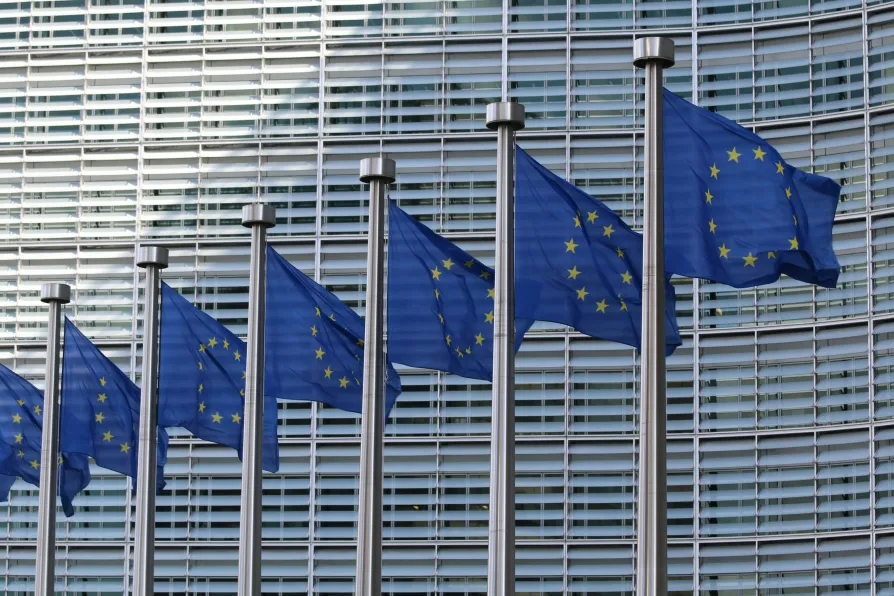
Starmer sabotaged Labour with his second referendum campaign, mobilising a liberal backlash that sincerely felt progressive ideals were at stake — but the EU was then and is now an entity Britain should have nothing to do with, explains NICK WRIGHT

Deep disillusionment with the Westminster cross-party consensus means rupture with the status quo is on the cards – bringing not only opportunities but also dangers, says NICK WRIGHT