A new generation of right-wing politicians have shifted from promoting deregulation to championing anti-migrant politics warns SOLOMON HUGHES


 Latest editorial

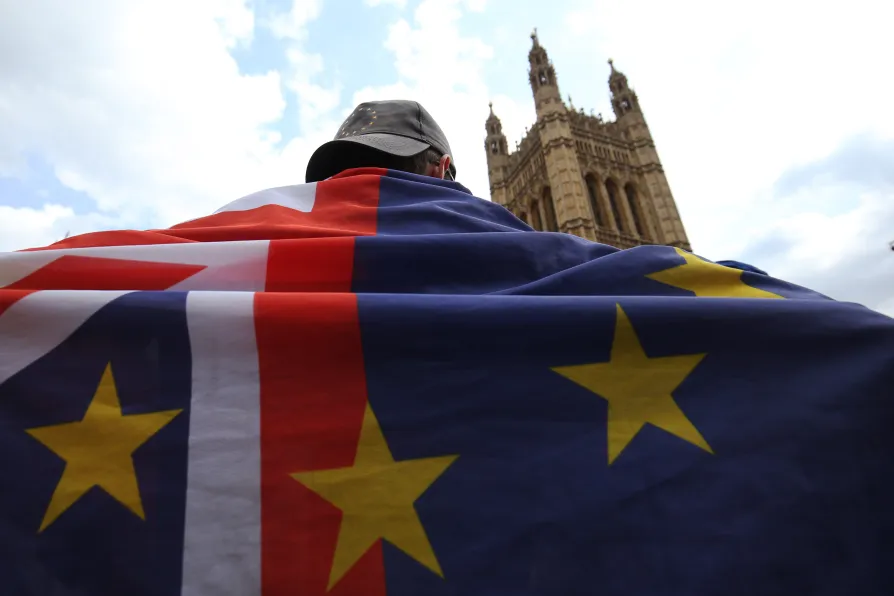
Remain and Regret
The Labour Party is risking a golden opportunity if it goes down the dead-end Remain road, argues PAUL O’CONNELL
by the Greater Manchester Workers’ and Tenants’ Association
The US relationship with Israel has evolved into a strategic liability, argues RAMZY BAROUD
A champion motorcyclist, trade union organiser and communist, Clem Beckett went from Britain’s speedway tracks to the battlefields of Spain, where he gave his life resisting Franco’s forces at Jarama. GEOFF BOTTOMS pays tribute to this remarkable anti-fascist
The greatest threat to democracy may no longer come from political parties but from unelected tech oligarchs like Peter Thiel and his powerful Silicon Valley network, argues JOHN GREEN
Claiming to ease a fertiliser shortage, the Trump administration has suspended tariffs on Moroccan phosphate imports – deepening US support for the Morocco’s control over Sahrawi territory, writes LUKE ROTELLO


WRITING in 1975, on the eve of the last big referendum on Britain’s relationship with the European Union (European Community as it then was), the great historian of the English working class EP Thompson noted that there were “some sillies” in the labour movement who did not understand the nature of the EC.
As such, they thought that joining would facilitate the advance of socialist and working-class interests. As Thompson astutely pointed out, joining the EC would do the exact opposite, and would put the capitalist class light years ahead of the working class.
Today, the political heirs of these “sillies” have won the day within the Labour Party, and Labour’s position on Brexit has shifted from working for the best form of Brexit, in line with the result of the 2016 referendum, to now effectively being a party of Remain. A party that will campaign for a second referendum, in which it will argue the virtues of remaining in and reforming the EU, to pursue radical, transformative and internationalist politics.

Similar stories
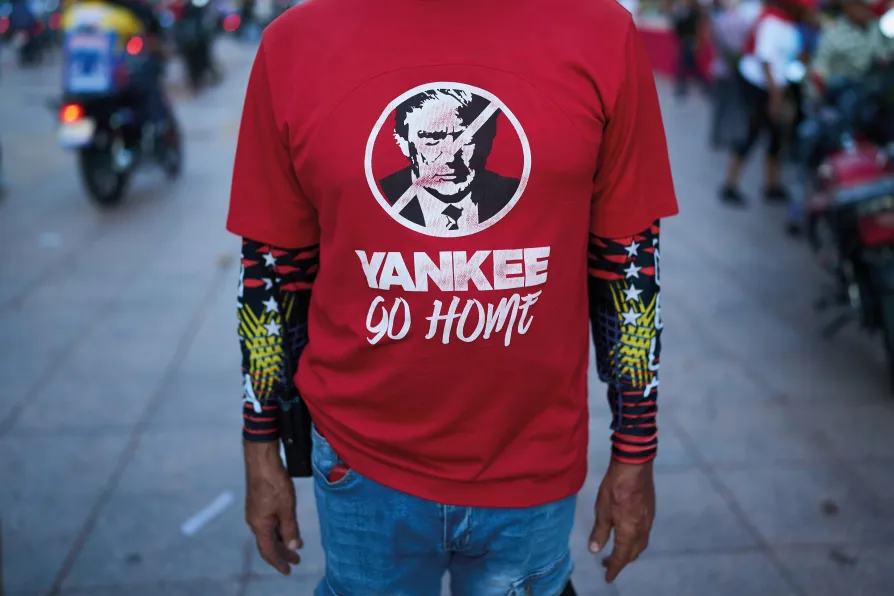
Western nations’ increasingly aggressive stance is not prompted by any increase in security threats against these countries — rather, it is caused by a desire to bring about regime changes against governments that pose a threat to the hegemony of imperialism, writes PRABHAT PATNAIK
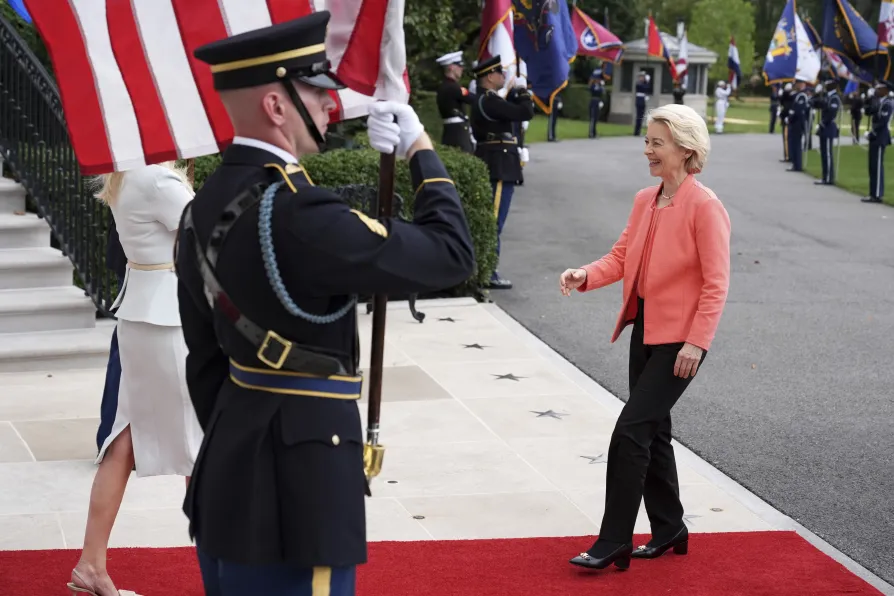
US tariffs have had Von der Leyen bowing in submission, while comments from the former European Central Bank leader call for more European political integration and less individual state sovereignty. All this adds up to more pain and austerity ahead, argues NICK WRIGHT
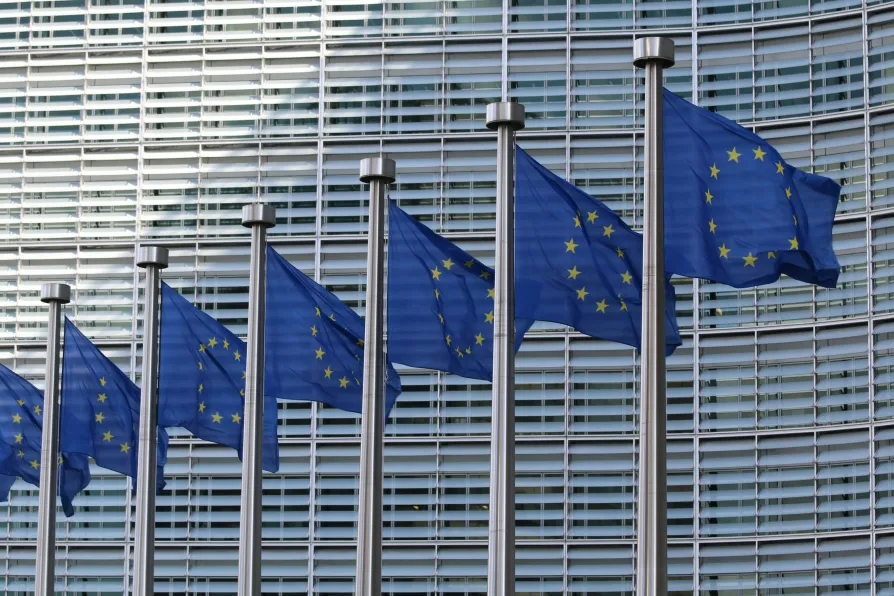
Starmer sabotaged Labour with his second referendum campaign, mobilising a liberal backlash that sincerely felt progressive ideals were at stake — but the EU was then and is now an entity Britain should have nothing to do with, explains NICK WRIGHT

Deep disillusionment with the Westminster cross-party consensus means rupture with the status quo is on the cards – bringing not only opportunities but also dangers, says NICK WRIGHT