MARY DAVIS says the centrality of the Jewish community and the Communist Party to anti-fascism in the 1930s is too often overlooked on the left


A wounded Erdogan could be dangerous
Suffering heavy losses in the last two elections, Turkey's dictatorial leader may be tempted to launch a military adventure to win back support, writes CONN HALLINAN
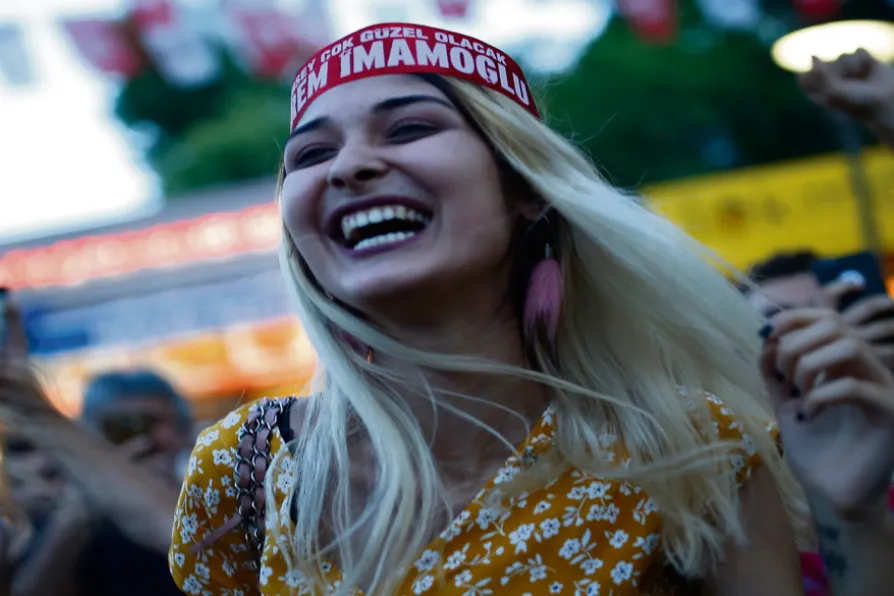
 Young women, targeted by Erdogan’s backward fundamentalist ideology, celebrate his loss in Istanbul
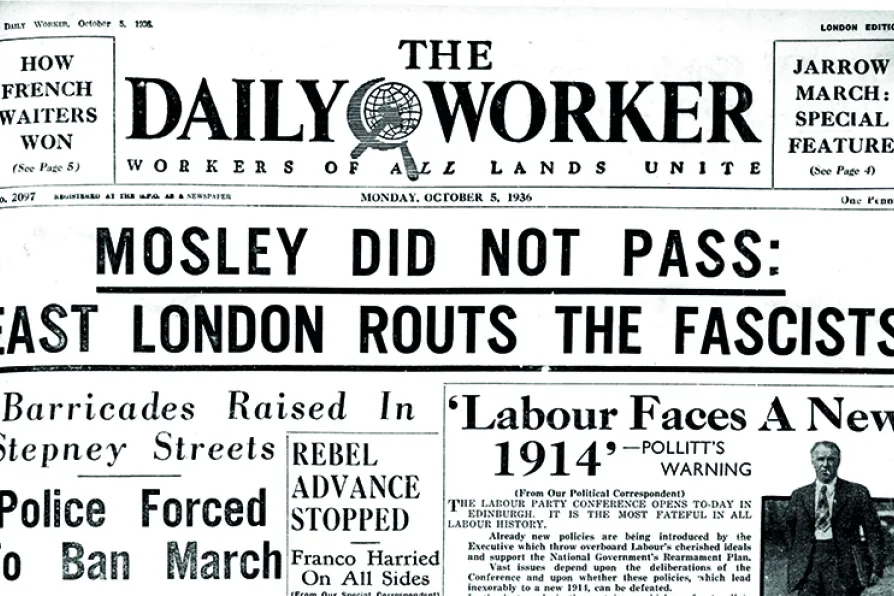
A 1936 confrontation with Mosley’s BUF became part of a wider international struggle, with local activists later joining the fight against fascism in the Spanish civil war. TONY FOX tells the story ahead of a 90th anniversary commemoration event
GEORGE WHITE explains why Unite’s Lancashire area activists committee believes co-ordinated recruitment in an area defined by particular kinds of employment and linked by a major transport artery could provide a model for organising the unorganised
Voters have delivered a stay of execution for Labour and exposed limits to Reform’s advance. But will Burnham offer a political alternative rather than just a different face at the top, asks ANDREW MURRAY
Calls for a Universal Basic Income are a red herring, argues the Full Marx editorial team — socialists should fight for Universal Basic Services
SEVIM DAGDELEN warns that Germany’s military resurgence and revival of old hostilities towards Russia have dangerous implications for Europe and beyond


FOR the second time in a row, Turkish voters have rebuked president Recep Tayyip Erdogan’s handpicked candidate for the mayoralty of Istanbul, Turkey’s largest and wealthiest city. The secular Republican People’s Party (CHP) candidate, Ekrem Imamoglu, swamped Erdogan’s Justice and Development Party (AKP) candidate Binali Yildirim in an election that many see as a report card on the president’s 17 years of power.
So what does the outcome of the election mean for the future of Turkey, and in particular, its powerful president? For starters, an internal political realignment, but also maybe a dangerous foreign policy adventure.
Erdogan and his party have been weakened politically and financially by the loss of Istanbul, even though the president did his best to steer clear of the campaign over the past several weeks. Since it was Erdogan that pressured the Supreme Election Council into annulling the results of the March 31 vote, whether he likes it or not he owns the outcome.

Similar stories
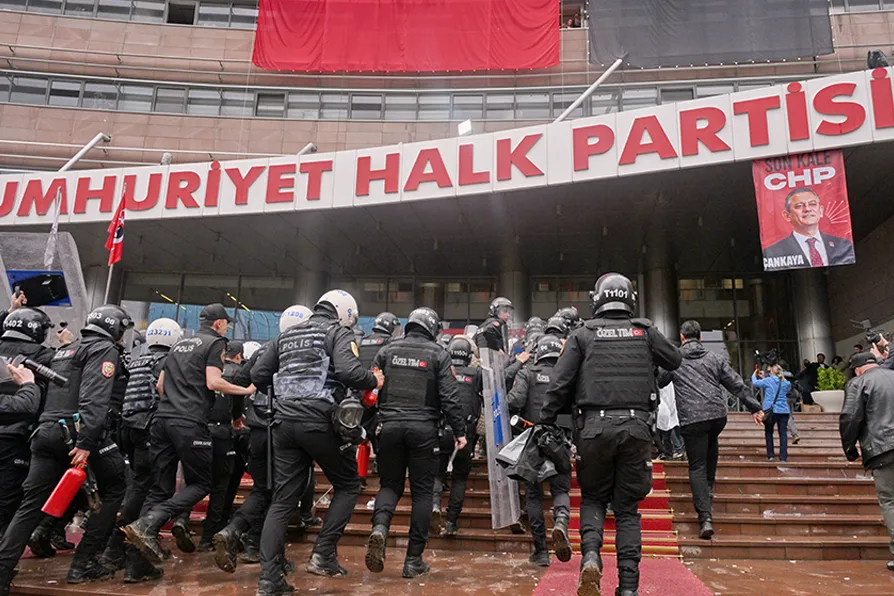
CLAUDIA WEBBE looks at how Britain’s Nato ally has upped the stakes in its effort to silence domestic dissenting voices
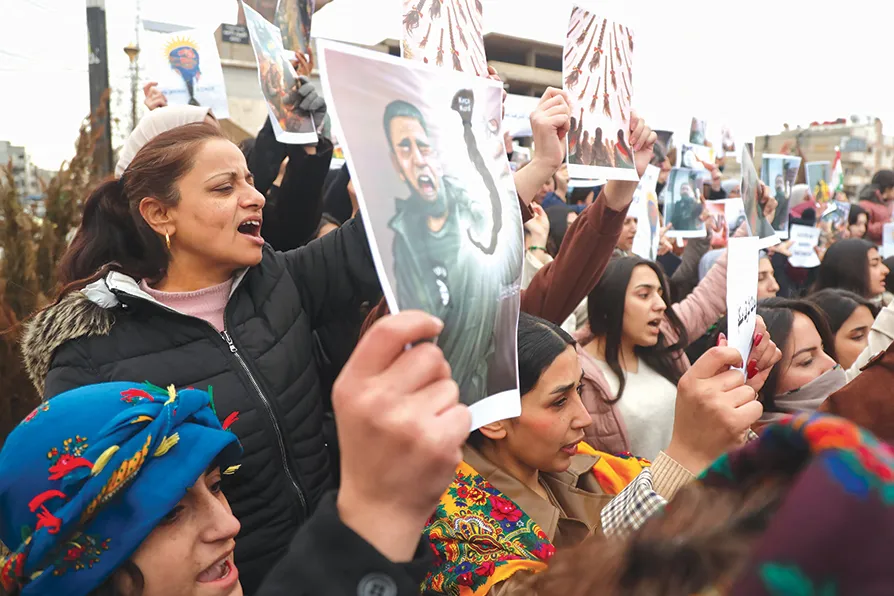
VIJAY PRASHAD details how US support for Syrian President Ahmad al-Sharaa allowed him to break the resistance of the autonomous Syrian Democratic Forces (SDF)