IAN LAVERY MP warns that decades of neoliberal policies have left former industrial communities behind — but a renewed Labour commitment to working people could change the political landscape


Rana Plaza workers help launch T-shirt that fights sweatshops
Six years on from the Bangladeshi factory collapse, survivors help British activists launch a radical new brand that redefines ‘ethical fashion,’ writes GAVIN O’TOOLE
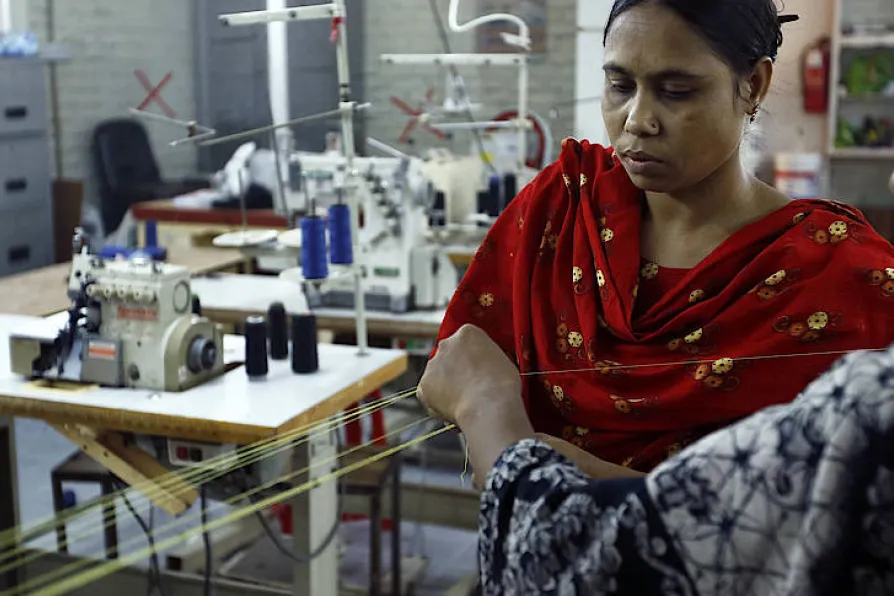
 Oporajeo workers making clothes
PAOLO SANTALUCIA reports on how an Italian region defies US pressure to end a Cuban doctors programme
HENRY FOWLER outlines the GFTU’s new 2026-27 education programme and argues that investing in trade union education is essential to building worker power, developing leaders and strengthening collective action
We need a government that invests in saving lives not destroying them, argues SOPHIE BOLT
More expensive by weight than gold, saffron is surprisingly simple to grow. MAT COWARD explains
The public inquiry is the result of more than a decade of determined campaigning. Now, those who fought for justice want the full story of government involvement and police conduct to be told, says KATE FLANNERY
The Durham Miners’ Gala is a celebration of working-class culture, but also a call to action — to rebuild workers’ collective strength, says KIM JOHNSON MP


FROM the dust of the Rana Plaza garment factory that collapsed six years ago this week, killing 1,134 people, many of them garment workers, a new co-operative has emerged that is now working with British activists as part of a global solidarity project that challenges the sweatshops industry.
Survivors of the Rana Plaza disaster, among them seasoned Bangladeshi trade unionists, have formed a co-operative called Oporajeo — which means “invincible” in Bengali — and have teamed up with British anti-sweatshop campaign, No Sweat, to produce ethical T-shirts for the British market. More than just another ethical fashion accessory, these T-shirts actively fight sweatshops.
“We are creating a radical circular economy based on workers’ rights and campaigning activism,” said Jay Kerr, activist with No Sweat, a British-based grassroots campaign to end the use of sweatshop labour across the world.

Similar stories
The biggest strike in global history is a template for our future. The silence tells you all you need to know, writes CLAUDIA WEBBE
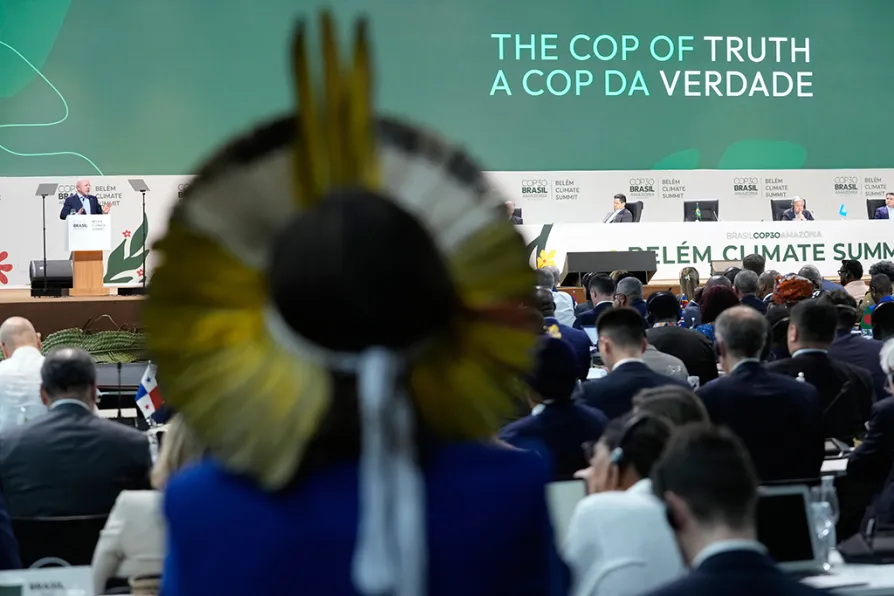
From summit to summit, imperialist companies and governments cut, delay or water down their commitments, warn the Communist Parties of Britain, France, Portugal and Spain and the Workers Party of Belgium in a joint statement on Cop30
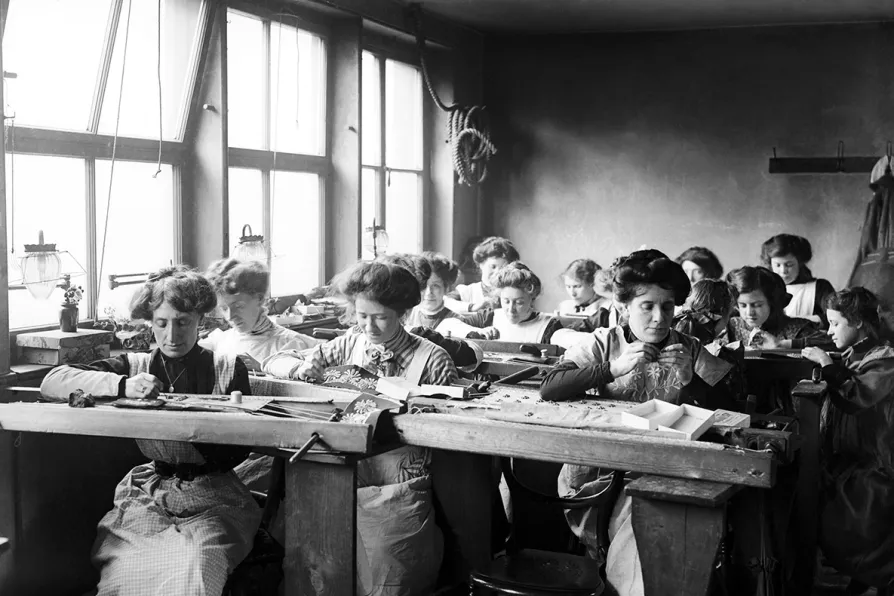
ANN HENDERSON looks at the trailblazers of the Women’s Trade Union League and their successful fight for female factory inspectors — a battle that echoes in today’s workplace campaigns