While international actors discuss governance and reconstruction, Netanyahu has made it clear that Israel has no intention of ending its military occupation, says RAMZY BAROUD


 Latest editorial
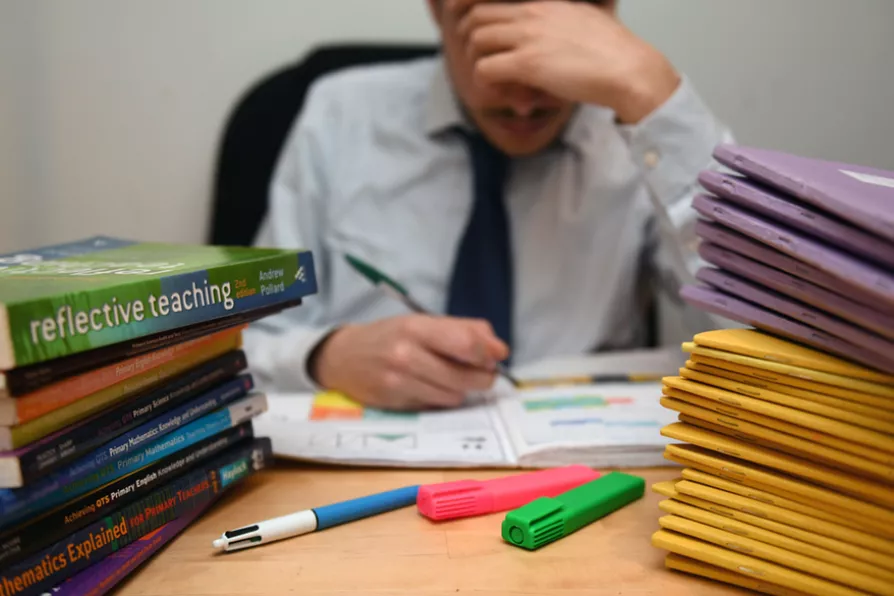
Why teachers quit in droves
DR MARY BOUSTED on the depressing findings of a new survey from teachers that reveals impossible workloads and spirit-sapping monitoring

NICK WRIGHT continues his series analysing the trends in European politics
We have the alternative economics, histories of our struggles and the confidence to change the world
General Federation of Trade Unions assistant general secretary HENRY FOWLER reports on the final day from the GFTU’s residential Summer School at the Workers’ Retreat, Quorn Grange Hotel
Capitalism has exploited — and polluted — our natural resources for too long, it’s time we treated our rivers as living beings, writes MIRIUM GAUNTLETT, LIAM SHAW and ROX MIDDLETON
Treating the Clacton by-election as a joke risks reinforcing the Reform leader’s claim to be the victim of an out-of-touch Establishment, argues JOHN McINALLY
MPs and others called for the urgent release of tortured Palestinian doctor, Hussam Abu Safiya, held hostage by Israel and reportedly near death, reports LINDA PENTZ GUNTER


IN THE National Education Union’s latest survey on workload 8,000 teachers gave the unequivocal message to government that enough is enough. Work-life balance is worse than a year ago and the linked issues of workload and accountability are the main reasons education professionals don’t see themselves working in the sector in the near future.
Two-fifths of respondents (40 per cent) predict they will no longer be working in education by 2024, and almost one-fifth of all respondents to the survey (18 per cent) expect to be gone within two years. The workload problem is across the workforce, affecting leaders, teachers and support staff. There is no greater challenge in the teacher recruitment and retention crisis than that of reducing workload and improving the nature of teachers’ work, and the high stakes, low-quality accountability system is a huge barrier to achieving this.
Appropriate professional autonomy, application of pedagogy, and use of their knowledge, skills and experience has been eroded by excessive national policy reform and an accountability system that drives bureaucratic evidencing of work rather than prioritising that which makes the biggest impact on teaching and learning. The downward pressure from a national level — government, and agencies such as Ofsted and Ofqual — must be addressed.

Similar stories
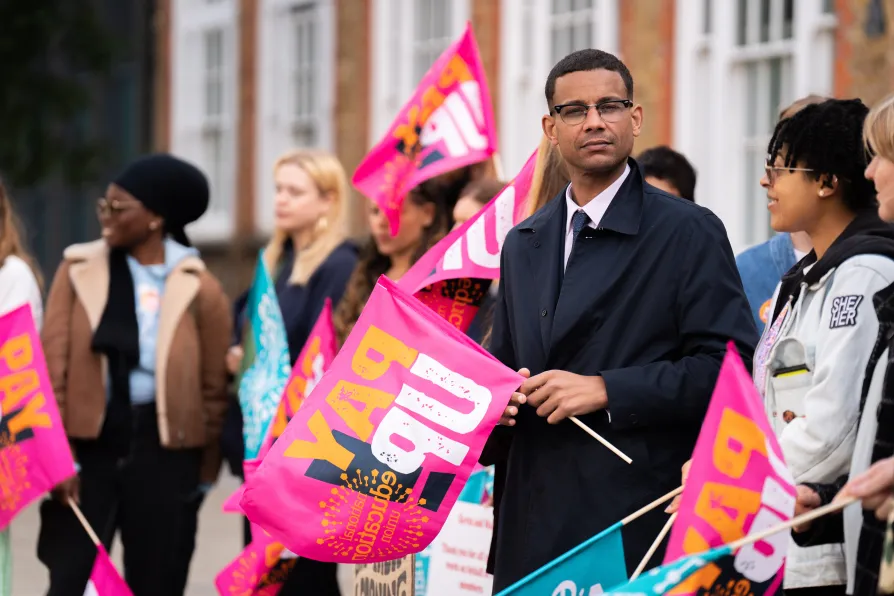


A teaching delegation to Cuba offered IAN DUCKETT a powerful glimpse into a schooling system defined by care, creativity and the legacy of the island’s remarkable 1961 literacy campaign

With 12,000 fewer teachers since 2010 and dwindling resources, Scotland’s schools desperately need investment to support diverse learners rather than empty promises from politicians, writes ANDREA BRADLEY