HENRY FOWLER, assistant general secretary of the General Federation of Trade Unions (GFTU), reports on Day 2 from the GFTU’s residential Summer School at the Workers’ Retreat, Quorn Grange Hotel


 Latest editorial
Trade unions, the working class and our fight against neoliberalism
Nothing has ever been handed on a plate to workers — we have always fought industrially to gain these rights, says DENISE CHRISTIE
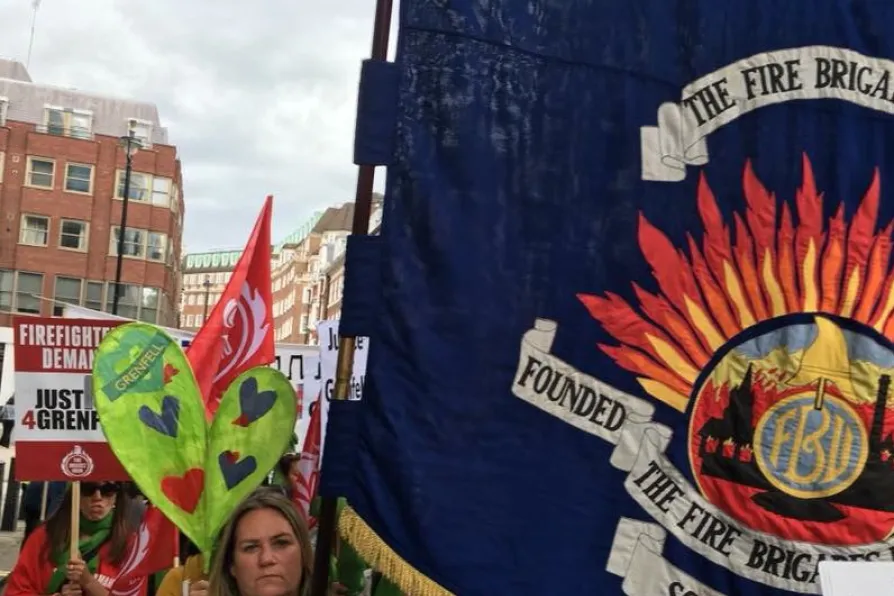 FBU Scotland regional secretary Denise Christie
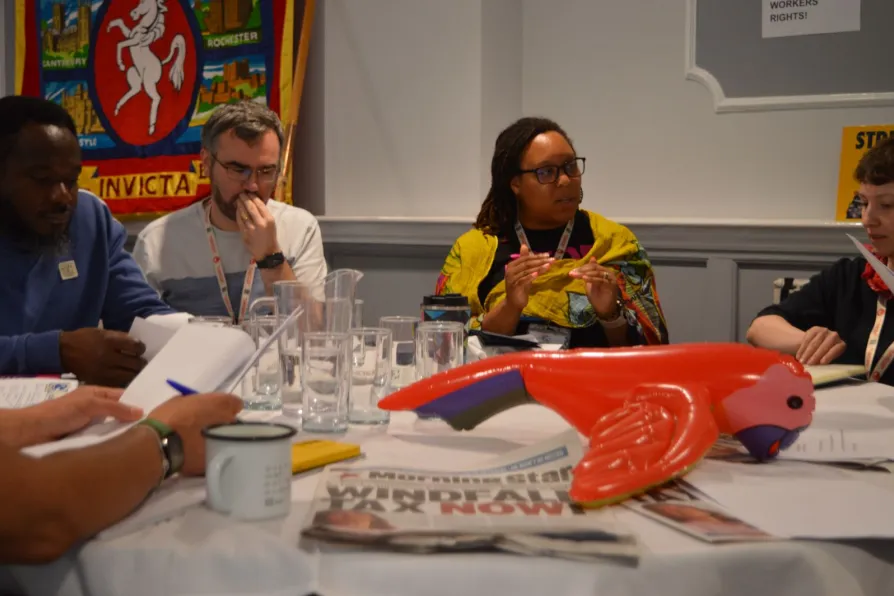
Assistant general secretary of the General Federation of Trade Unions HENRY FOWLER reports on day 1 from the GFTU’s residential Summer School at Quorn Grange Hotel
MPs and others called for the urgent release of tortured Palestinian doctor, Hussam Abu Safiya, held hostage by Israel and reportedly near death, reports LINDA PENTZ GUNTER
Strike Map co-founder HENRY FOWLER discusses the significance of today’s joint union letter to video game giant Rockstar, demanding trade union recognition for its workers. Their conversation highlights how our movement can harness its collective power to rebuild union power across the private sector
Capitalism has exploited — and polluted — our natural resources for too long, it’s time we treated our rivers as living beings, writes MIRIUM GAUNTLETT, LIAM SHAW and ROX MIDDLETON
The PM leaves office having squandered Labour’s electoral mandate and alienated its grassroots. He will not be missed, writes BRIAN LEISHMAN MP


AS WE commence the debates at the 122nd annual STUC Congress, the highest body of the trade union movement in Scotland, it is an appropriate juncture to discuss the great things trade unions have done for the working class and also recognise our responsibilities in the fight against neoliberalism.
Historically, trade unions are a big reason that the working class won many of the protections and rights we now rightfully have.
Health and safety, an end to child labour, equal pay for women (although the fights still continue), shorter working hours, a “living wage,” campaigns to end bullying and harassment, maternity rights, holiday pay etc, have all been won by ordinary working people withdrawing their labour.

Similar stories

Four decades on, the Wapping dispute stands as both a heroic act of resistance and a decisive moment in the long campaign to break trade union power. Lord JOHN HENDY KC looks back on the events of 1986
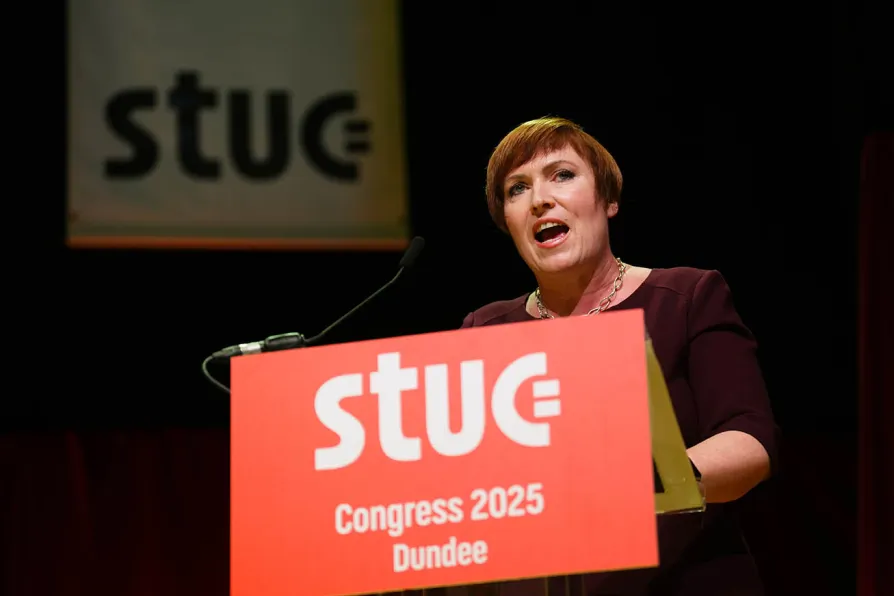
Working-class women lead the fight for fair work and equitable pay and against sexual harassment, the rise of the far right and years of failed austerity policies, writes ROZ FOYER
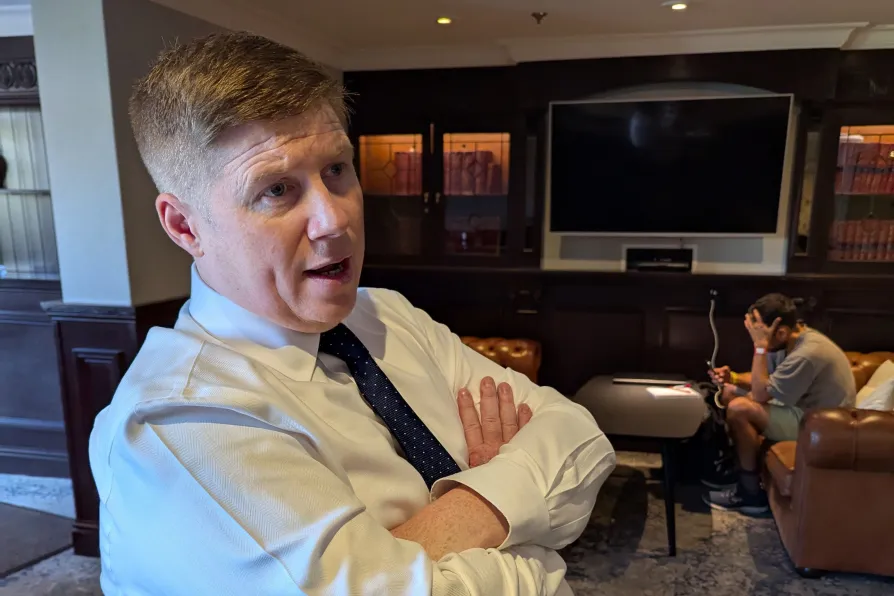
Ben Chacko talks to RMT leader EDDIE DEMPSEY about how the key to fixing broken Britain lies in collective sectoral bargaining, restoring unions’ ability to take solidarity strike action and bringing about the much-vaunted ‘wave of insourcing’

It is only trade union power at work that will materially improve the lot of working people as a class but without sector-wide collective bargaining and a right to take sympathetic strike action, we are hamstrung in the fight to tilt back the balance of power, argues ADRIAN WEIR