A new generation of right-wing politicians have shifted from promoting deregulation to championing anti-migrant politics warns SOLOMON HUGHES


 Latest editorial

The rhythm of socialism
NEIL SLEDGE of the National Education Union reports back on the role of music in Cuban schools following a visit to the socialist Caribbean island
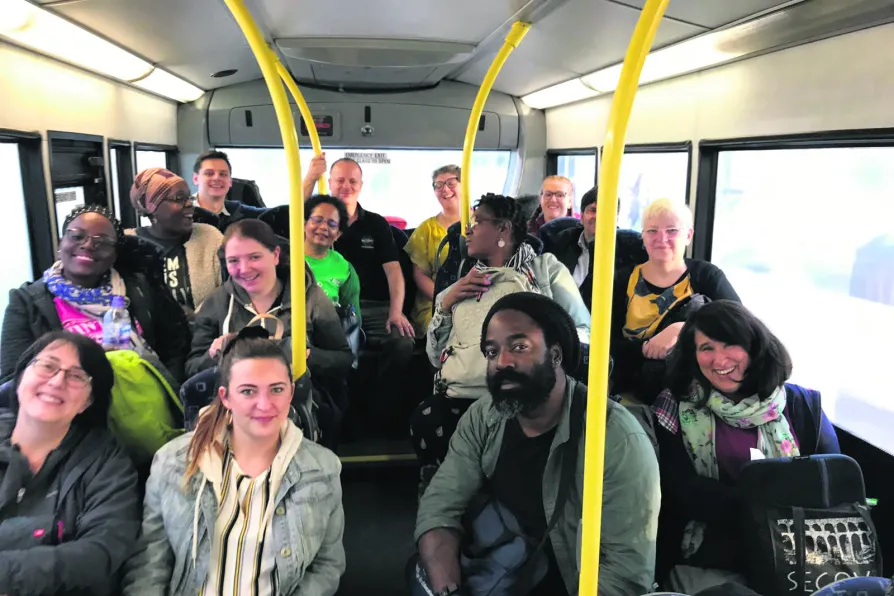 The NEU’s Cuba delegation
by the Greater Manchester Workers’ and Tenants’ Association
The US relationship with Israel has evolved into a strategic liability, argues RAMZY BAROUD
A champion motorcyclist, trade union organiser and communist, Clem Beckett went from Britain’s speedway tracks to the battlefields of Spain, where he gave his life resisting Franco’s forces at Jarama. GEOFF BOTTOMS pays tribute to this remarkable anti-fascist
The greatest threat to democracy may no longer come from political parties but from unelected tech oligarchs like Peter Thiel and his powerful Silicon Valley network, argues JOHN GREEN
Claiming to ease a fertiliser shortage, the Trump administration has suspended tariffs on Moroccan phosphate imports – deepening US support for the Morocco’s control over Sahrawi territory, writes LUKE ROTELLO


CUBA is well known for its love of dance and music. Children and adults here at home are used to seeing and hearing salsa music on the television and online, but it is still a welcome surprise when you visit Havana to see and hear a live band in most bars and hotels.
On Sundays, the sound systems are out on the streets and people are dancing together, changing partners with each song, young and old together, and the streets are alive with joy, music and movement.
The Cuban education system clearly promotes music and dance at all levels and age groups. Music education is embedded in the general curriculum for all and further activities can be accessed in the “interest clubs” at school. Interest clubs take place in the afternoons in every school, and children can attend a wide variety of extracurricular activities, provided by staff, parents and the community.
These include music, sport, computing, arts and so on. School starts early and finishes with a late lunch, but most children are at school until about 4.30pm.
During the annual NEU delegation to Cuba in October 2018 we visited eight schools in five days. In every school a welcoming party of students, including children as young as four and five sang, danced, spoke or recited to us.

Similar stories
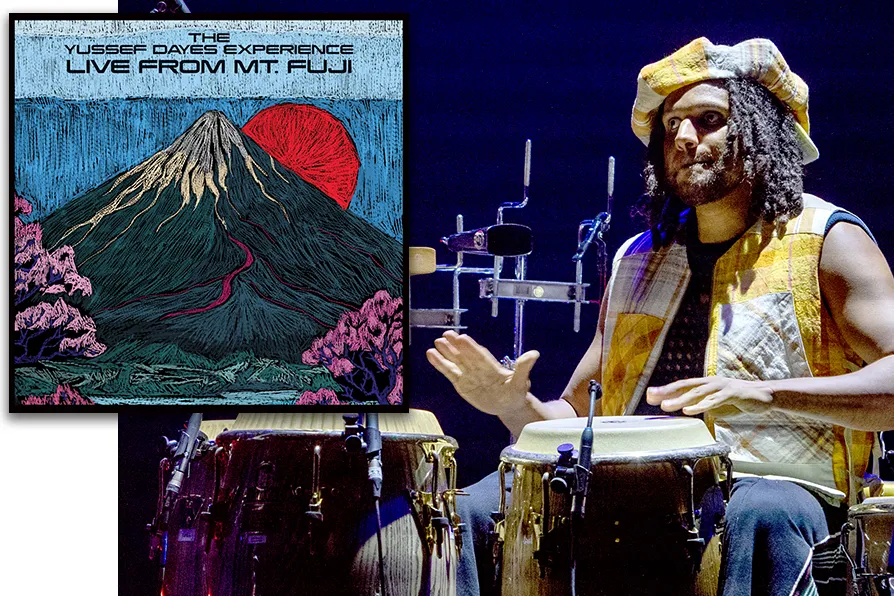
PETER MASON thrills to the sound of south London-born Yussef Dayes, and the galaxy of musicians drawn into his orbit
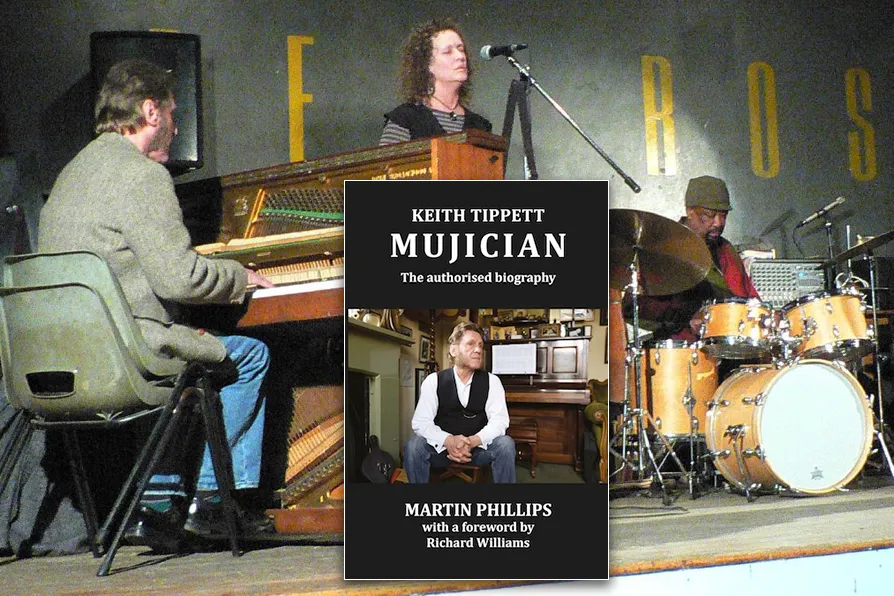
CHRIS SEARLE recommends a work of love and deep admiration for a great musician
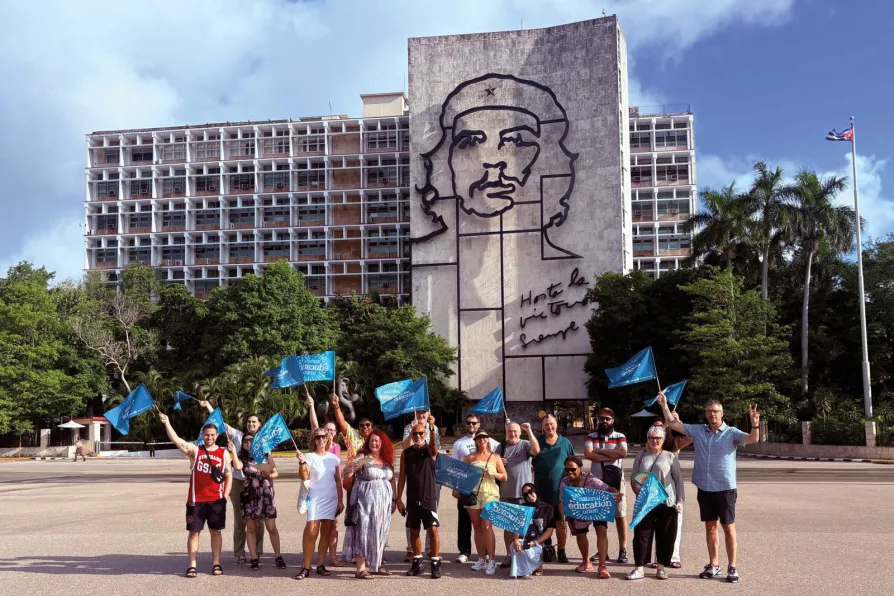
A teaching delegation to Cuba offered IAN DUCKETT a powerful glimpse into a schooling system defined by care, creativity and the legacy of the island’s remarkable 1961 literacy campaign
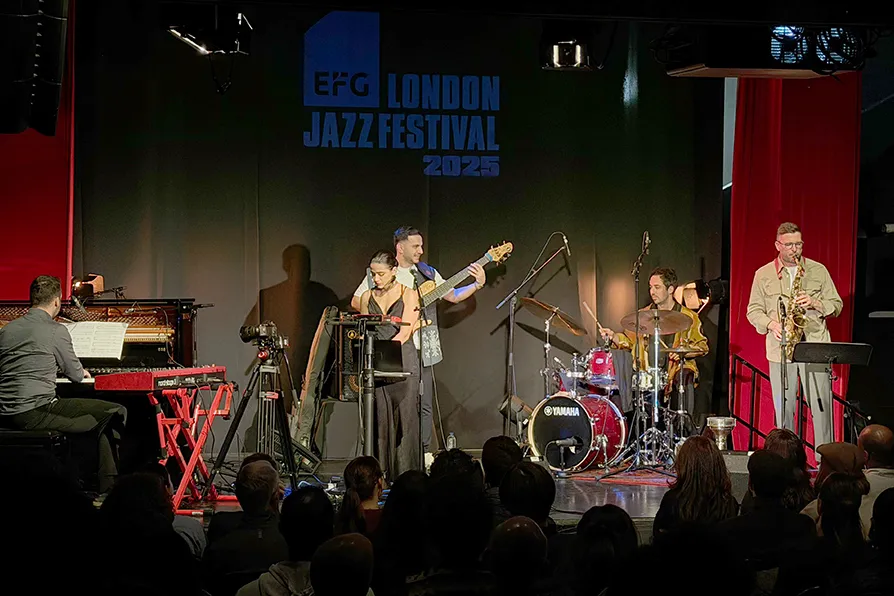
As part of the 2025 London Jazz Festival Rich Mix offered intriguing sessions titled 'Persian Jazz,' CHRIS SEARLE was there