

 Latest editorial


BROADCAST journalist Jeremy Vine posted a remarkable tweet at the weekend, confirming the ivory-towered existence that he and other highly paid BBC staff enjoy.
“This graphic is insane. I keep staring at it and thinking there must be something wrong. The gap between people in the poorest parts of Britain, and the richest,” he confessed.
This graphic is insane. I keep staring at it and thinking there must be something wrong. The gap between people in the poorest parts of Britain, and the richest.
— Jeremy Vine (@theJeremyVine) November 3, 2018
(via @INorBY2020) pic.twitter.com/IkSKHTJ7GW
The graphic came from The Economist, based on figures provided by the Organisation for Economic Co-operation and Development (OECD), illustrating the huge, growing gap between the poorest and richest people in Britain.
Morning Star readers will doubtless stand back in amazement at Vine’s ignorance — at least until his weekend Pauline conversion to reality — and wonder how he and his colleagues at the BBC and Sky News expect to comment on news items and interview politicians while being in the dark about how society works under a Tory government.
How much of this is having facts hidden from them and how much being insufficiently inquisitive?
Whenever Chancellor Philip Hammond announces that he plans to uplift the personal allowance beyond the rate of inflation, thereby removing x number of people from having to pay income tax, there is a concerted media welcome, proclaiming a Budget weighted towards the less well off.
But the well-heeled leader writers of the Establishment media must know that raising the personal allowance level for the lowest-paid has a more substantial knock-on effect for people like them.
Hammond’s “gift to the low-paid” in last week’s Budget will cost the Treasury £2.8 billion, with almost half of that dedicated to rewarding the top 10 per cent of earners.
Individual columnists in the liberal capitalist media may draw attention to these facts, but they don’t affect the overwhelming tidal wave of editorial positivity towards the latest example of making the rich richer.
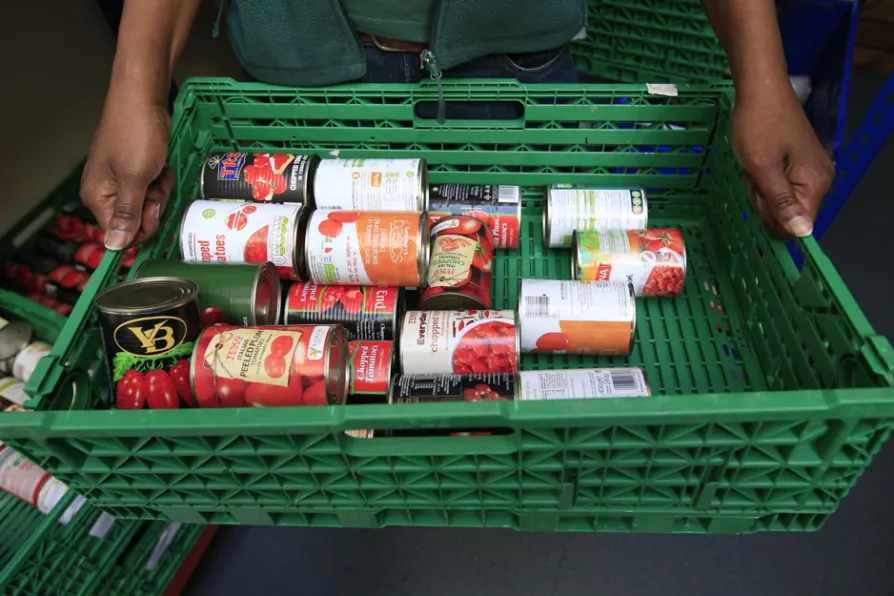
The Trussell Trust reported recently that its network of foodbanks had had to provide a 13 per cent increase in supplies between April and September this year over the same period a year ago.
This is principally caused by the accelerating roll-out of universal credit (UC), which is leaving large numbers of claimants without money as they await their first UC payment.
Awareness of that ought to bring on a feeling of national humiliation in the fifth or sixth biggest economy in the world, but ministers welcome it as part of the welfare system, betraying, perhaps, a preference for charity-based operations.
People who contribute to foodbanks do so, in the main, for the best of motives — in solidarity with those in difficulties — but they would prefer a society in which foodbanks were unnecessary.
The government continues to peddle the nonsensical line that “the reasons why people use foodbanks are complex.”
People go to foodbanks because they are at the end of their tether, desperate for food for themselves — or more likely their children — and driven to what for most is a daunting experience by ministerial indifference to their reduction to pennilessness.
Vine is clearly far from the worst of his kind, having the decency to reel in shock publicly on realising the truth about Britain outside the comfortable enclaves of London and the Home Counties frequented by his ilk.
Now that he has seen the figures and knows what’s what, will he allow ministers to get away with the same codswallop when he next interviews them?
Or will he get over his shock, remind himself that at least he and his family are OK and decide that it’s best not to upset the applecart?

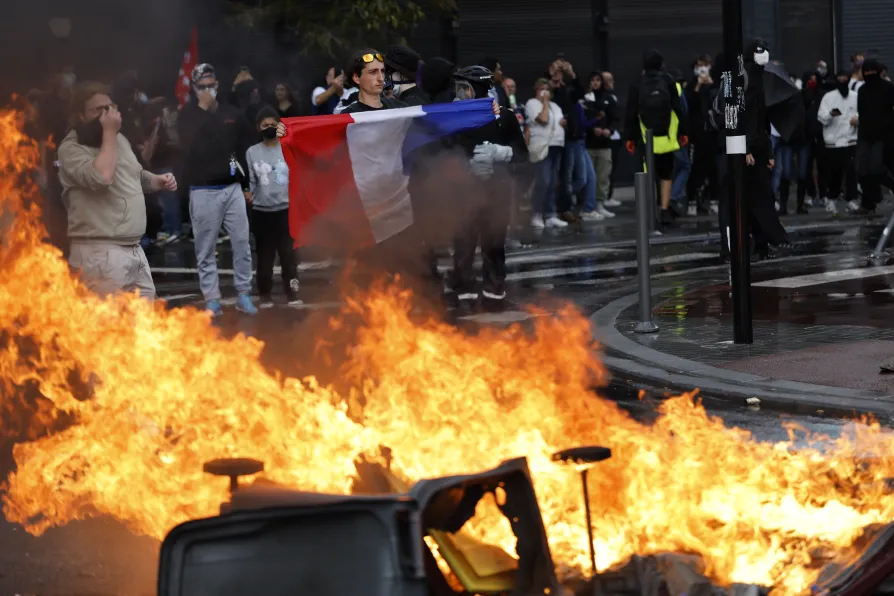
DENNIS BROE gives an update on the last week of anti-austerity protests against the Macron regime, which has seen the supposedly more right-leaning Gilets Jaunes join with the unions and the left

Spain has joined South Africa’s ICJ genocide case against Israel while imposing weapons bans and port restrictions, moves partly driven by trade unions — proving just how effectively civil society can reshape government policy, writes RAMZY BAROUD

JOHN GREEN is stirred by an ambitious art project that explores solidarity and the shared memory of occupation