HENRY FOWLER, assistant general secretary of the General Federation of Trade Unions (GFTU), reports on Day 2 from the GFTU’s residential Summer School at the Workers’ Retreat, Quorn Grange Hotel


 Latest editorial
Fighting fires for a hundred years
On its centenary the FBU most look back with pride and maintain its fierce independence, says its Scottish secretary DENISE CHRISTIE
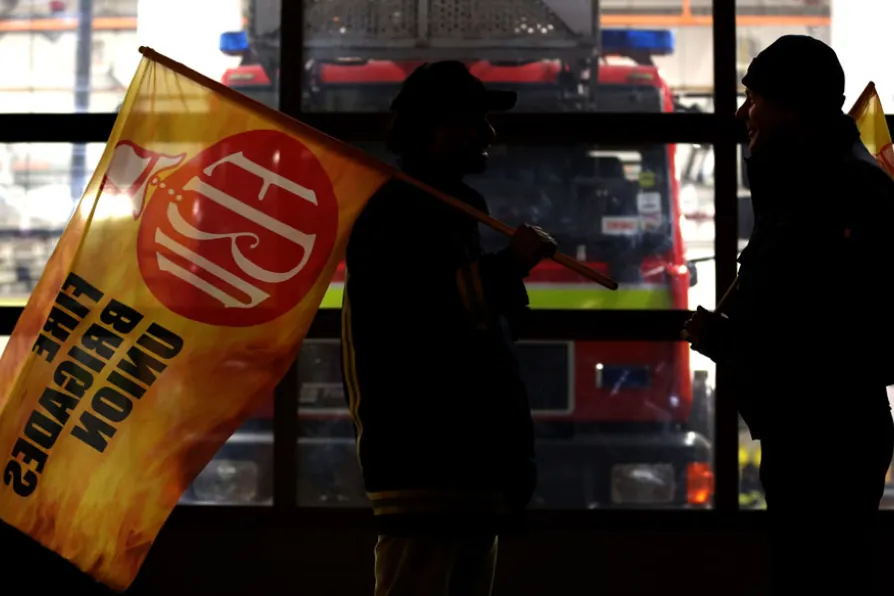
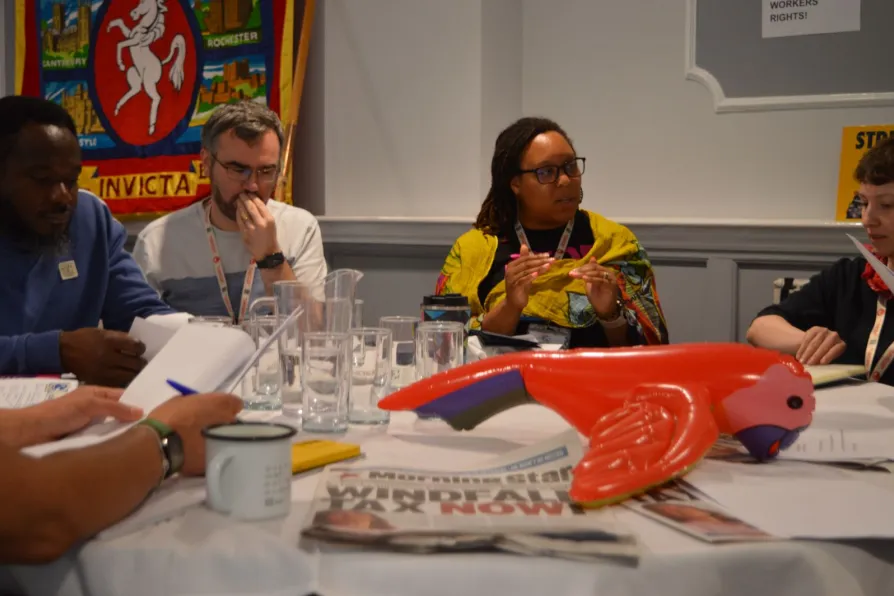
Assistant general secretary of the General Federation of Trade Unions HENRY FOWLER reports on day 1 from the GFTU’s residential Summer School at Quorn Grange Hotel
MPs and others called for the urgent release of tortured Palestinian doctor, Hussam Abu Safiya, held hostage by Israel and reportedly near death, reports LINDA PENTZ GUNTER
Strike Map co-founder HENRY FOWLER discusses the significance of today’s joint union letter to video game giant Rockstar, demanding trade union recognition for its workers. Their conversation highlights how our movement can harness its collective power to rebuild union power across the private sector
Capitalism has exploited — and polluted — our natural resources for too long, it’s time we treated our rivers as living beings, writes MIRIUM GAUNTLETT, LIAM SHAW and ROX MIDDLETON
The PM leaves office having squandered Labour’s electoral mandate and alienated its grassroots. He will not be missed, writes BRIAN LEISHMAN MP


IN OCTOBER 1918 a small group of firefighters, disillusioned with poor treatment at the hands of those who oversaw their service, set up the “Firemen’s Trade Union.” The founding aim was “a means to reorganise the conditions of their labours and thus bring more happiness into the lives of its members.”
Soon renamed the “Fire Brigades Union,” the union built its membership across Britain and has forged 100 years of supporting and protecting firefighters through an ethos defined in our motto “Unity is Strength.”
We want people outside our industry to understand the pride and connection that firefighters have for their union. It comes from our understanding of the achievements of previous generations of firefighters who built our remarkable profession and made it so highly valued by society. As firefighters we know our history and we understand that everything in our service had to be fought for and hard won by the Fire Brigades Union.
That fight still continues to this day and in our centenary year firefighters are still campaigning to reverse years and years of pay cuts, attacks on our pensions whilst still continually challenging the cuts to the fire and rescue service.
When I was elected as Scottish regional secretary last year, my first priority was to prepare our members and officials to lobby politicians of all parties to support our campaign “Cuts Cost Lives.” The previous four years had seen year on year budget cuts to the fire service amounting to £53 million in real terms.
Members and branches need to be organised and have the tools for an effective campaign so we readily made available professional briefing packs on how to lobby a politician as well as evidence and details of where the cuts were hitting hard.
Firefighters were and still are regular visitors to the Scottish Parliament and constituency offices making the case for more investment – and we must continue to keep that pressure up.
The campaigning that firefighters have been involved in needs to be applauded. They don’t just campaign for their own terms and conditions but also for improvements in the fire service to support both public safety and firefighter safety. That includes highlighting any deficiencies in crewing levels and appliance availability which determines how quickly a fire engine can be mobilised to an incident.
“When all is said and done, firefighting comes down to this: that a small number of people will go into a darkened, smoke-logged building, not knowing what they are going to meet, having faith in each other, in the long run prepared to risk their lives to save the lives of other people. In the long run, no matter what transformation we effect in the fire service, firefighting in its final stages remains just that. And we do not forget it.”
These were the words spoken at an FBU conference in 1960 in Rothesey by then FBU general secretary John Horner. They are as pertinent today, when discussions are taking place on transforming the Scottish Fire and Rescue Service, as they were when first spoken then.
We must continue to make sure that firefighters’ voices are at the heart of those discussions if we are to see a resilient fire and rescue service, capable of dealing with the full range of risks consistently across Scotland and the UK.
That requires resources and, most of all, the firefighters to do the job. The union wants the fire and rescue service to be democratically accountable, both to the public we serve and to the firefighters who work in it.
Scotland has always been a key part of the FBU throughout our 100 years of existence. We have produced great leaders and firsts such as former general secretary Ken Cameron and presidents Enoch Humphries, Ronnie Scott and first woman president Ruth Winters.
It’s important to pay tribute to the many officials who have come before us; like many trade unions there have been disagreements and differences but there is also a deep-rooted respect. That respect stems from the knowledge of the long hours, days away from the family home, the passion we have to strive for better pay, terms and conditions for our members and the love we have for our profession.
I want to thank all those that have kept the FBU from being eaten up by bigger unions. It is imperative that we stay an independent trade union and maintain our reputation as the professional voice of firefighters and the defenders of the fire and rescue service. I am incredibly proud of the role my union has played these last 100 years: our internationalism, our socialism and our solidarity with others in the movement — here’s to the next 100!

Similar stories
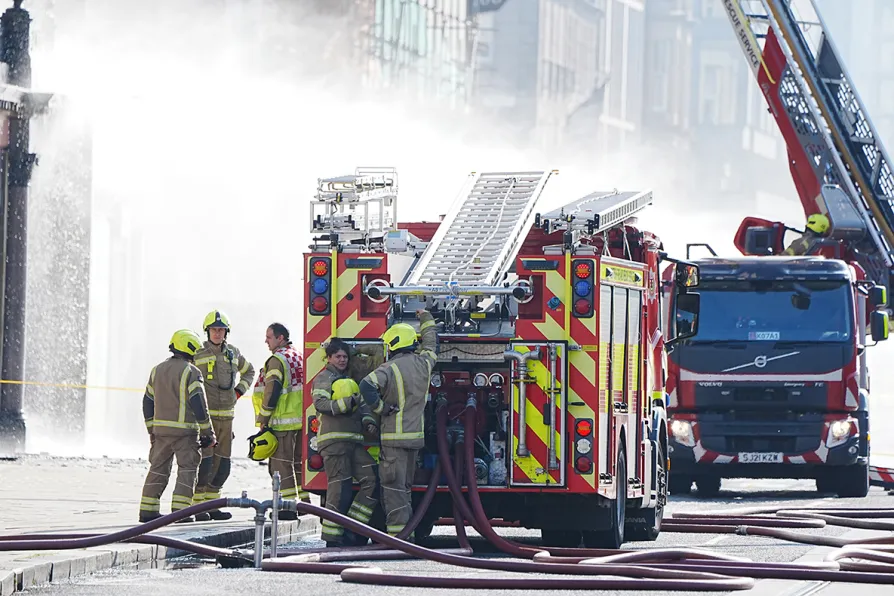

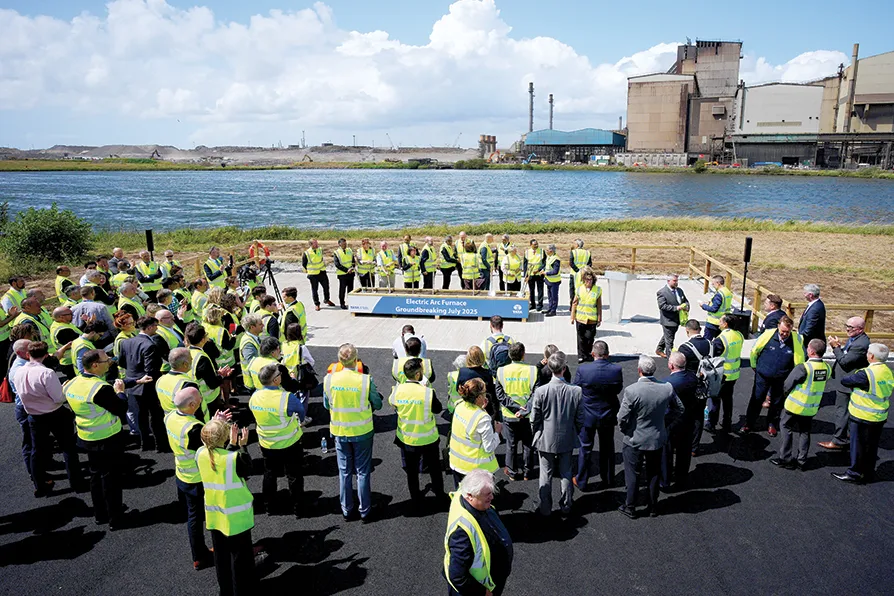
LUKE FLETCHER outlines Plaid Cymru bold plans for wide-ranging policy consultations with trade unions in Wales
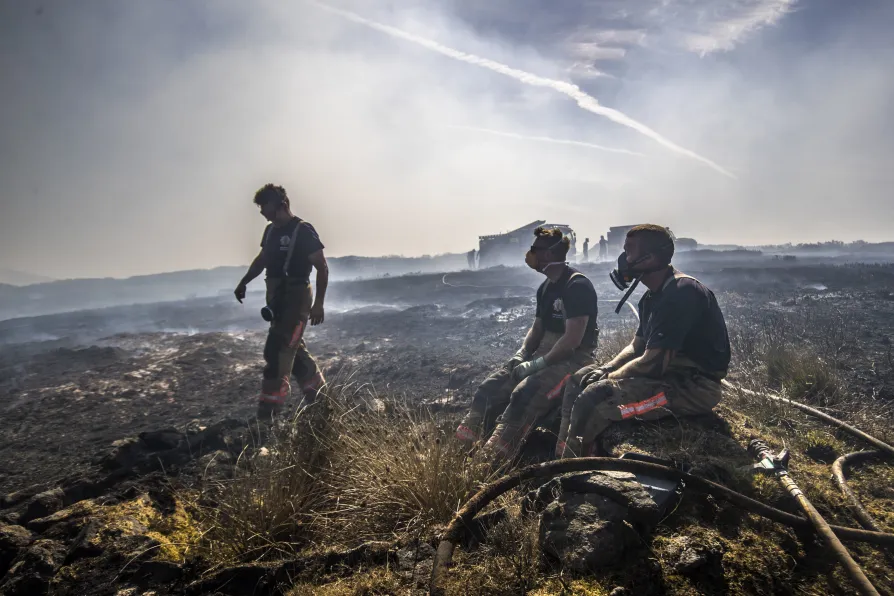
Since 2010, one in five firefighter jobs has disappeared alongside 30% funding cuts — all while climate breakdown brings record blazes and flooding. It’s time to fund our fire service properly, writes FBU general secretary STEVE WRIGHT