A new generation of right-wing politicians have shifted from promoting deregulation to championing anti-migrant politics warns SOLOMON HUGHES


 Latest editorial

A major shake-up in employment legislation proposed
KEITH EWING, JOHN HENDY and CAROLYN JONES of the Institute of Employment Rights explain the general principles of Rolling Out the Manifesto for Labour Law — the most detailed framework of progressive legislative proposals on workers’ rights to have been produced for 45 years
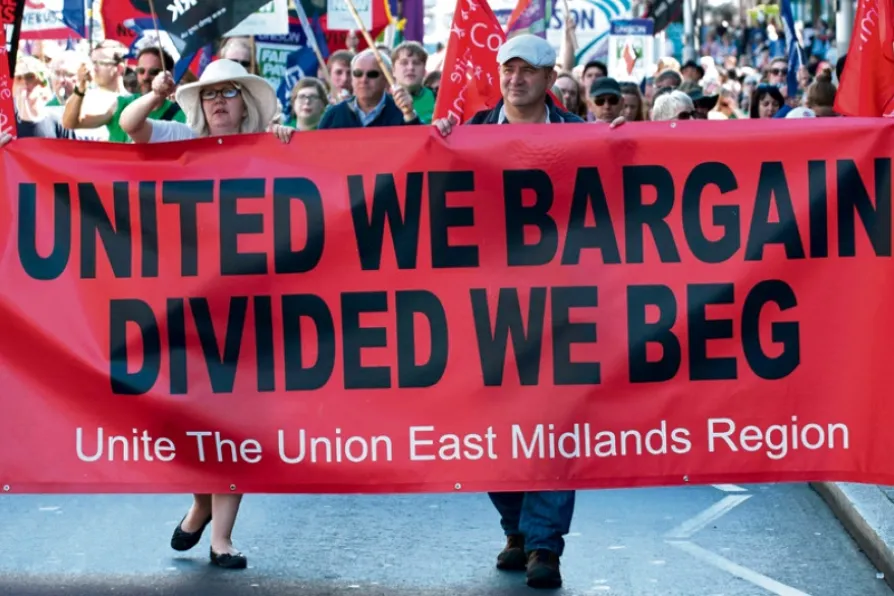 Collective bargaining

by the Greater Manchester Workers’ and Tenants’ Association
The US relationship with Israel has evolved into a strategic liability, argues RAMZY BAROUD
A champion motorcyclist, trade union organiser and communist, Clem Beckett went from Britain’s speedway tracks to the battlefields of Spain, where he gave his life resisting Franco’s forces at Jarama. GEOFF BOTTOMS pays tribute to this remarkable anti-fascist
The greatest threat to democracy may no longer come from political parties but from unelected tech oligarchs like Peter Thiel and his powerful Silicon Valley network, argues JOHN GREEN
Claiming to ease a fertiliser shortage, the Trump administration has suspended tariffs on Moroccan phosphate imports – deepening US support for the Morocco’s control over Sahrawi territory, writes LUKE ROTELLO


IN 2016 the Institute of Employment Rights (IER) published A Manifesto for Labour Law, a radical blueprint for the reform of trade union freedom and workers’ rights.
Distilled from the contributions of 15 leading scholars and activists, the Manifesto has had a remarkable impact, in this country and overseas.
Most importantly, it has been adopted by many British trade unions and was endorsed at the TUC Congress in 2016.

Similar stories
The election offers a critical chance to shape the future of pay, care and community provision in Wales, says Unison’s JESS TURNER
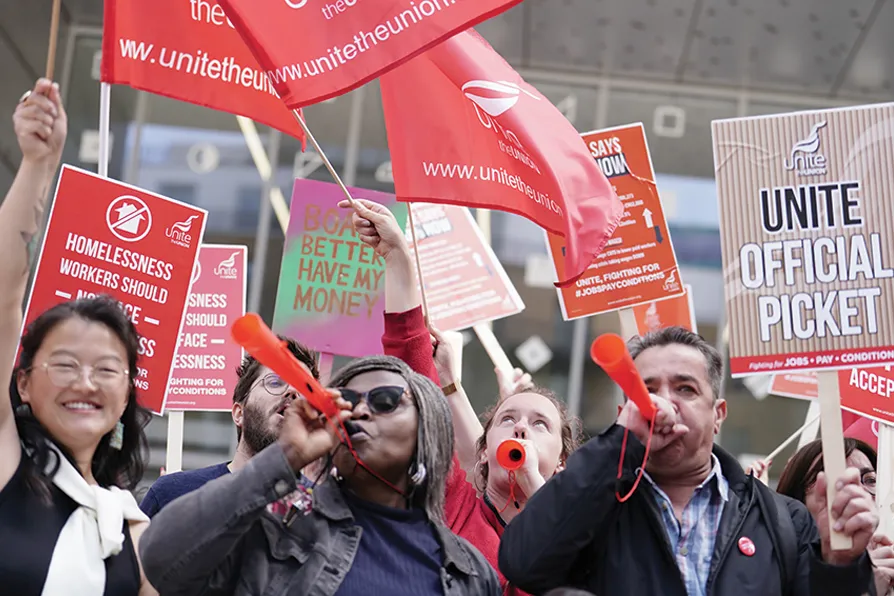
The unions are unhappy with the Employment Rights Act 2025 and with good reason. KEITH EWING and Lord JOHN HENDY KC take a close look at why the Bill promised more than it delivered

Four decades on, the Wapping dispute stands as both a heroic act of resistance and a decisive moment in the long campaign to break trade union power. Lord JOHN HENDY KC looks back on the events of 1986

CWU leader DAVE WARD tells Ben Chacko a strategy to unite workers on class lines is needed – and sectoral collective bargaining must be at its heart