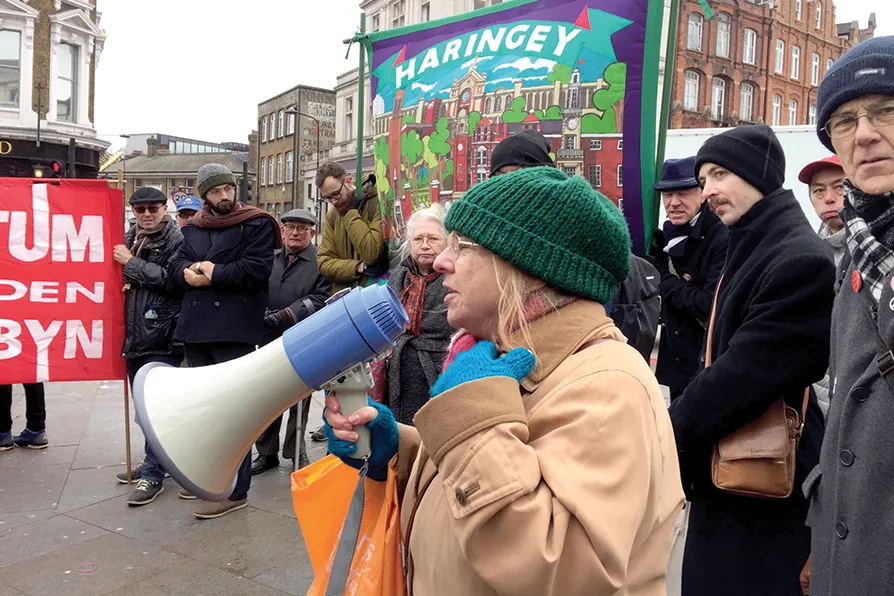
IAN LAVERY MP warns that decades of neoliberal policies have left former industrial communities behind — but a renewed Labour commitment to working people could change the political landscape


We won’t rest until there is justice over Orgreave
We need an inquiry into police brutality against striking miners at Orgreave to establish the truth and enable our communities to have closure, says KATE FLANNERY
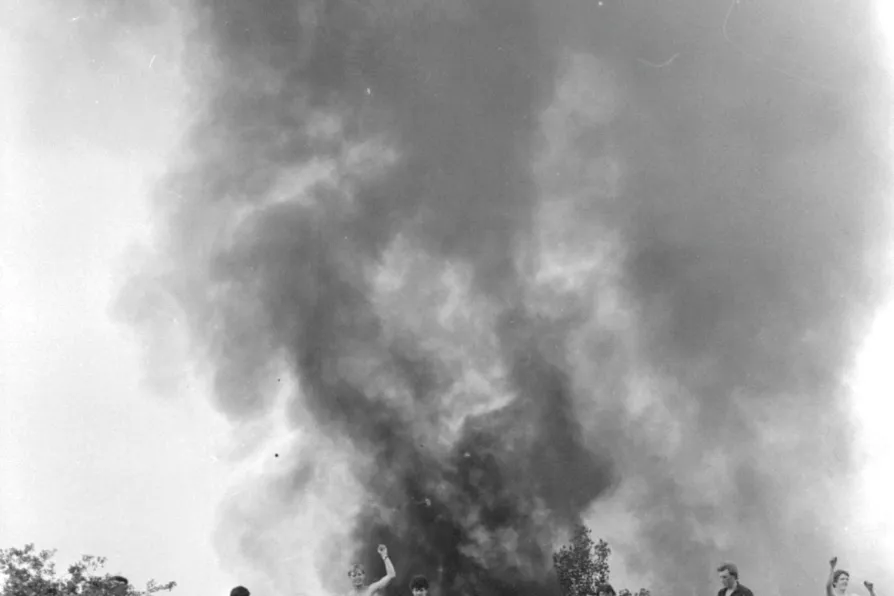


PAOLO SANTALUCIA reports on how an Italian region defies US pressure to end a Cuban doctors programme
HENRY FOWLER outlines the GFTU’s new 2026-27 education programme and argues that investing in trade union education is essential to building worker power, developing leaders and strengthening collective action
We need a government that invests in saving lives not destroying them, argues SOPHIE BOLT
More expensive by weight than gold, saffron is surprisingly simple to grow. MAT COWARD explains
The public inquiry is the result of more than a decade of determined campaigning. Now, those who fought for justice want the full story of government involvement and police conduct to be told, says KATE FLANNERY
The Durham Miners’ Gala is a celebration of working-class culture, but also a call to action — to rebuild workers’ collective strength, says KIM JOHNSON MP


THE Orgreave Truth and Justice Campaign (OTJC) was set up in 2012 to press for a public inquiry into what happened at Orgreave on June 18 1984 during the year-long miners’ strike against pit closures.
On that day the miners were ushered into a field near the Orgreave coking plant outside Rotherham in South Yorkshire by police.
It was a change from the normal practice of blocking access routes and turning miners away from picketing.
The pre-planned, ruthless violence used by the police against the miners, the subsequent arrests of 95 miners on fallacious charges, evidence of police fabricating evidence and lying under oath in court, alleged cover-ups and the courageous Hillsborough campaign were all reasons to establish the OTJC.

Similar stories
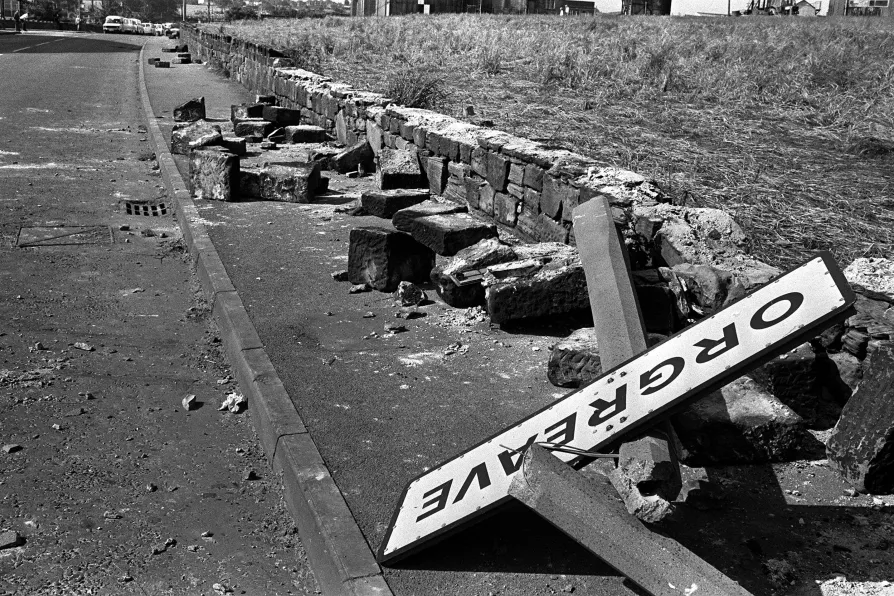
The public inquiry is the result of more than a decade of determined campaigning. Now, those who fought for justice want the full story of government involvement and police conduct to be told, says KATE FLANNERY
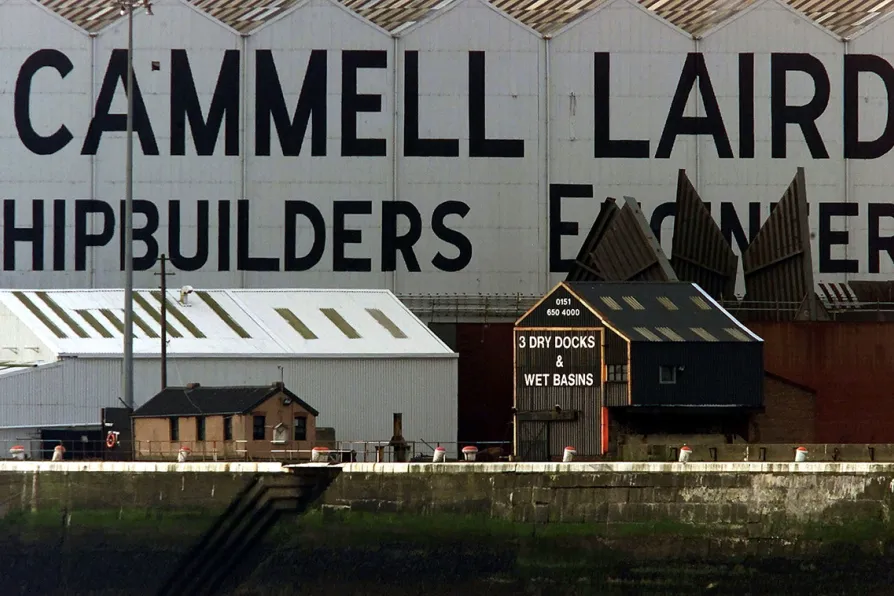
KIM JOHNSON MP places the campaign in the context of the history of the working-class battles of the 1980s, and explains why, just like Orgreave and the Shrewsbury Pickets before it, justice today is so important for the struggles of tomorrow
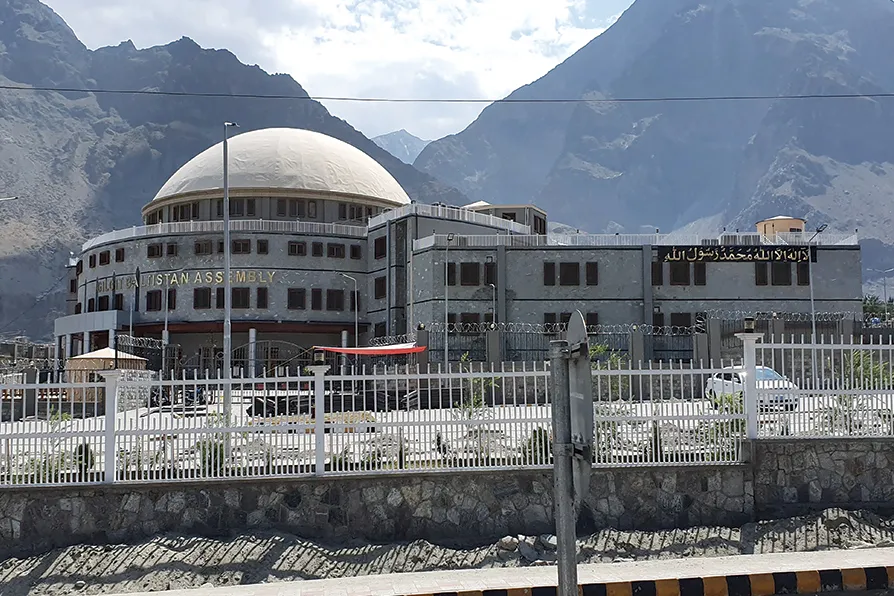
JOE ATTARD explains why trade unionists are rallying in solidarity against the recent arrest of political activists in Gilgit-Baltistan, the northernmost region of Kashmir, administered by Pakistan