Special report by PEOPLE’S WORLD


 Latest editorial
June 2 1868 – a momentous day in workers’ history
NICK WRIGHT considers how the isolation of Israel and a new film on the controversial Italian communist leader are creating new reference points for Italy’s left
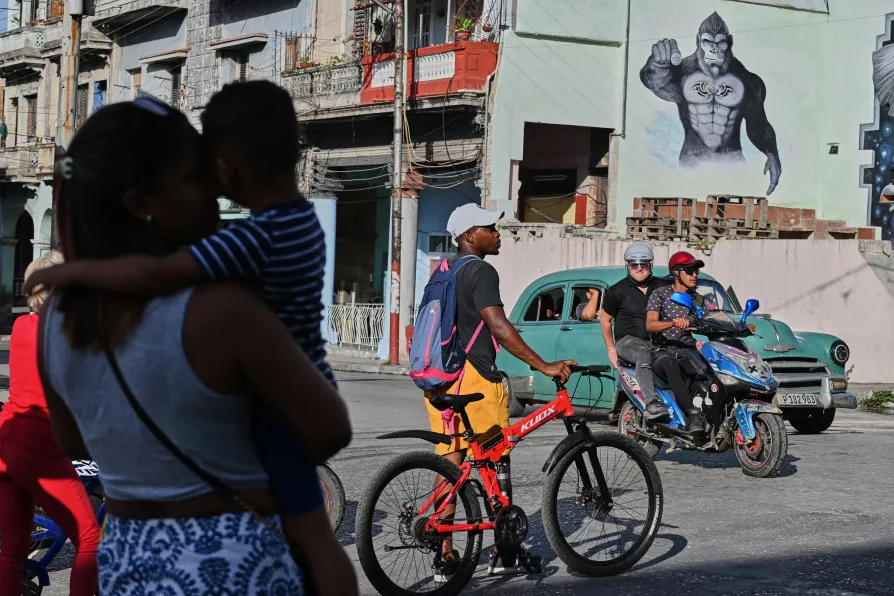
CARLOS MARTINEZ says Cuba’s achievements in the face of a criminal blockade are startling, but the island’s future if the United States succeeds in crushing it looks bleak
AMNON BROWNFIELD STEIN reports that far-right MPs who mobbed the event organised by Hadash may have helped raise awareness of the brutality of the Israeli right
Born on this day in 1931, the heroic revolutionary faces a dangerous new wave of White House aggression. We must treat his birthday as a rallying cry to resist the illegal siege of Cuba, writes ROGER McKENZIE
RAMZY BAROUD decries the rats of Gaza, the rodent and human type. Both abound as profiteering from tragedy reaches obscene levels


“WHY not have a Congress of our own?” The words were those of Samuel Nicholson, president of the Manchester and Salford Trades Council, who, with William Henry Wood, secretary of the trades council, was later to send out the invitation to the first Trades Union Congress. Both men were compositors, skilled print workers.
Nicholson’s momentous words were uttered on the spur of the moment, after he had heard from a fellow compositor, William Dronfield, secretary of the Sheffield Typographical Society.
He had given an account of his frustrated attempts to obtain a wider hearing for the trade union point of view at the Congress of the National Association for the Promotion of Social Science.

Similar stories
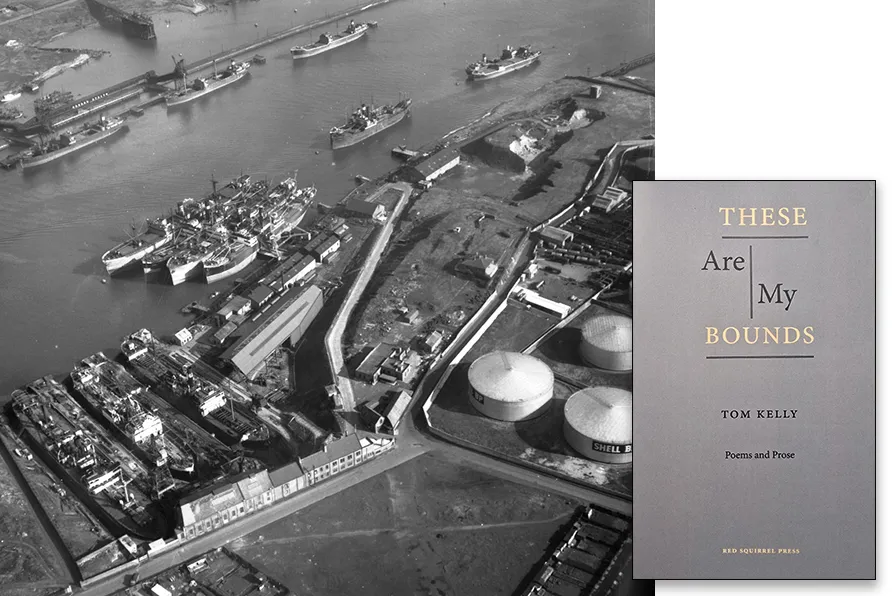
ALAN MORRISON recommends a consummate, heart-warming collection about a working-class upbringing in the industrial north-east
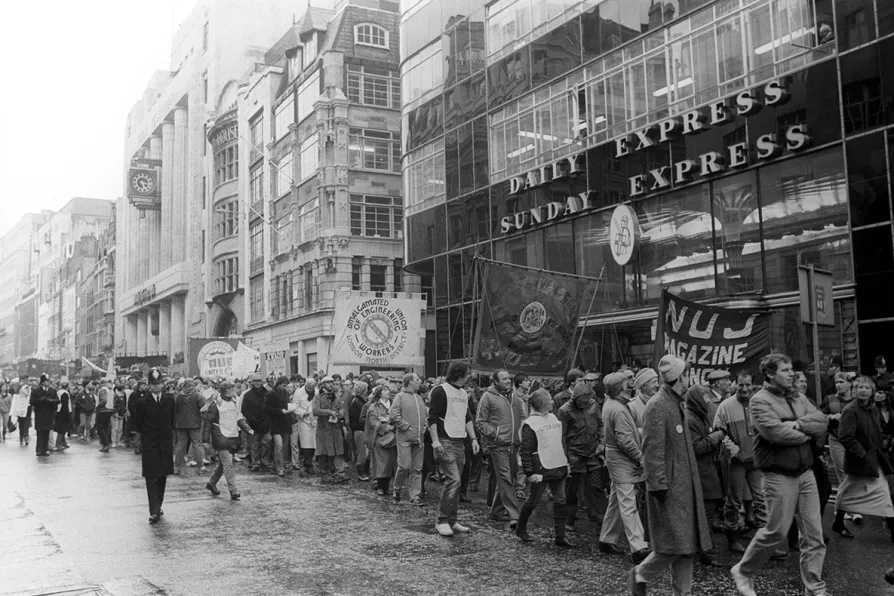
The newly catalogued News International Dispute Archive ensures the history of the Wapping dispute – and the solidarity it inspired – is preserved, accessible and alive for future generations, says MATT DUNNE
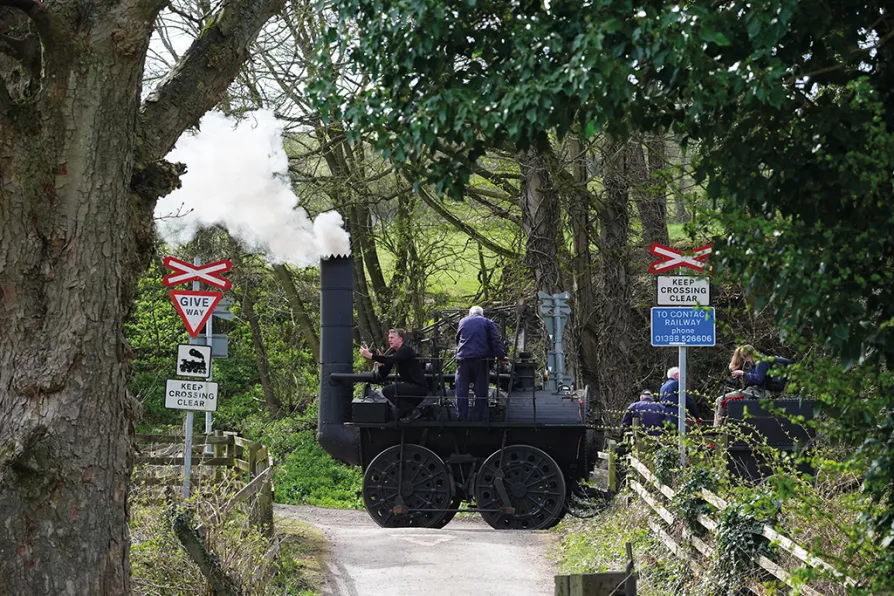
Two-hundred years ago, on September 27 1825, the world’s first passenger railway line was opened between Stockton and Darlington. MICK WHELAN, general secretary of Aslef, the train drivers’ union, reflects on the history – and the future – of Britain’s railway industry
While an as-yet-unnamed new left party struggles to be born, MAT COWARD looks at some of the wild and wonderful names of workers’ organisations past that have been lost to time