

 Latest editorial



THE European Union announced its “action plan on military mobility” yesterday, aiming to allow member state armies to deploy across the bloc at will.
Nato commanders have complained that conflicting regulations prevent easy troop movements across borders, while many bridges and tunnels are too weak for tanks and other heavy military vehicles to use.
EU foreign policy chief Federica Mogherini said: “By facilitating military mobility within the EU, we can be more effective in preventing crises, more efficient in deploying our missions and quicker in reacting when challenges arise.”

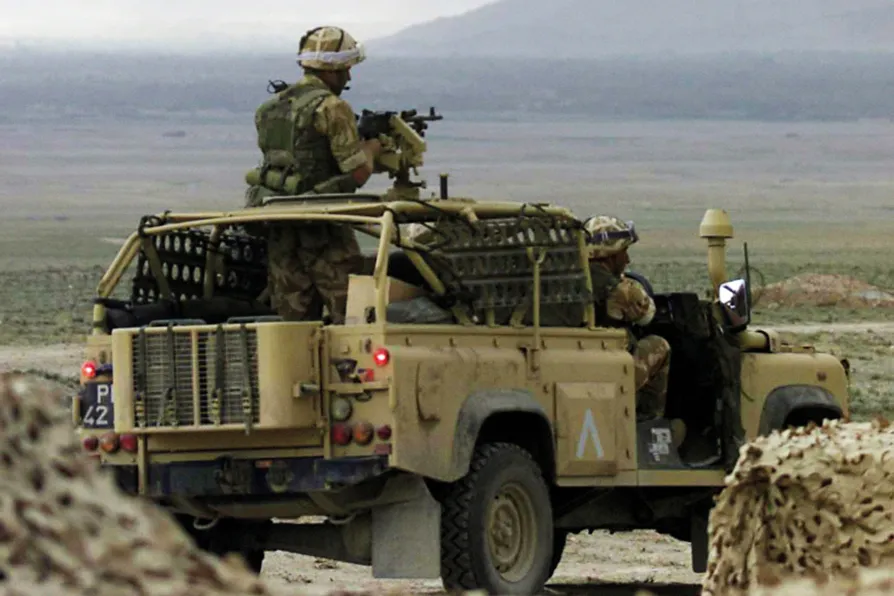
Outrage greeted Donald Trump’s suggestion earlier this year that Britain stayed off the front lines. But evidence suggests our forces were at times pulled from the most dangerous fighting — not by military failure, but by pressure at home, says IAN SINCLAIR

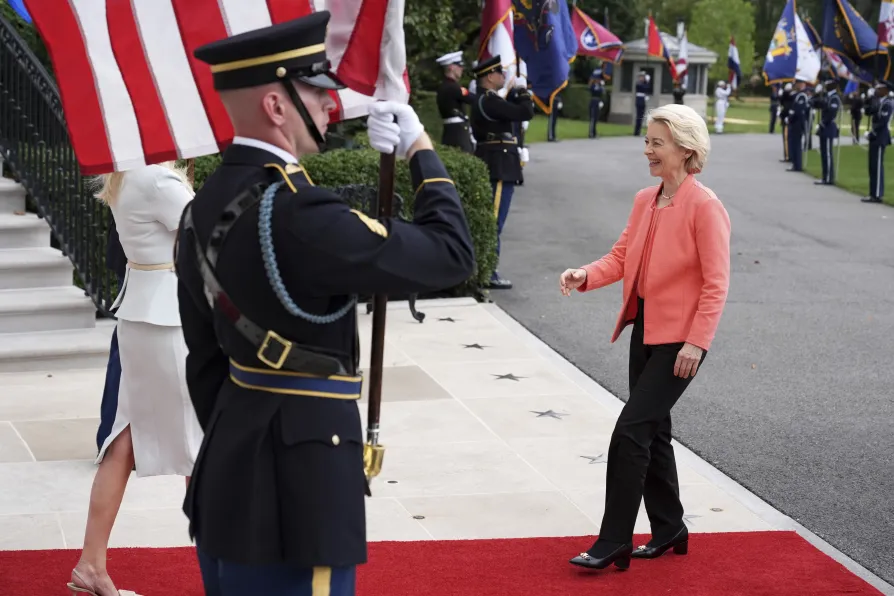
US tariffs have had Von der Leyen bowing in submission, while comments from the former European Central Bank leader call for more European political integration and less individual state sovereignty. All this adds up to more pain and austerity ahead, argues NICK WRIGHT
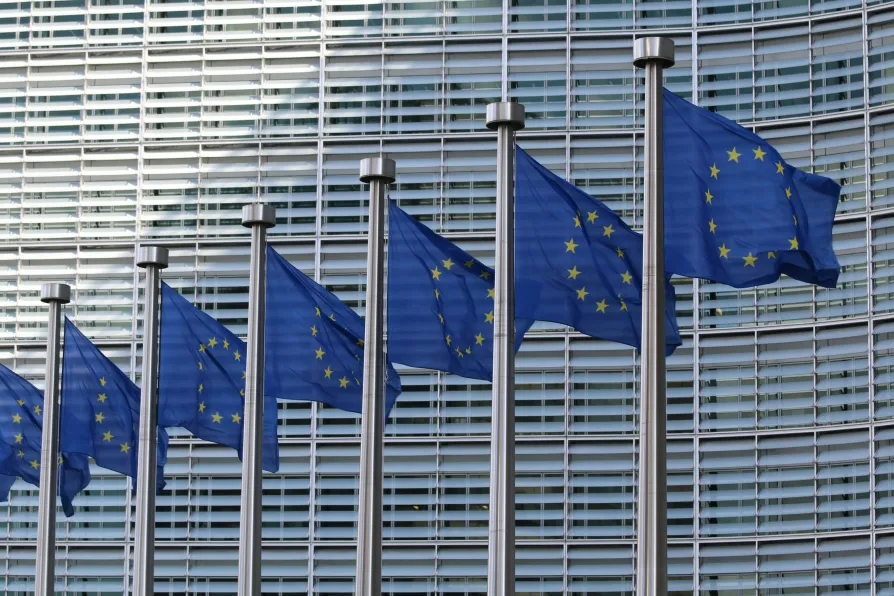
Starmer sabotaged Labour with his second referendum campaign, mobilising a liberal backlash that sincerely felt progressive ideals were at stake — but the EU was then and is now an entity Britain should have nothing to do with, explains NICK WRIGHT