IAN LAVERY MP warns that decades of neoliberal policies have left former industrial communities behind — but a renewed Labour commitment to working people could change the political landscape


Working-class women's progress is far too slow
The abuse of the voiceless, the broken, the abused, the working-class women in our communities must end now or #MeToo is simply an empty soundbite in a moneyed echo chamber, argues BERNADETTE HORTON

 Shadow Education Secretary Angela Rayner
PAOLO SANTALUCIA reports on how an Italian region defies US pressure to end a Cuban doctors programme
HENRY FOWLER outlines the GFTU’s new 2026-27 education programme and argues that investing in trade union education is essential to building worker power, developing leaders and strengthening collective action
We need a government that invests in saving lives not destroying them, argues SOPHIE BOLT
More expensive by weight than gold, saffron is surprisingly simple to grow. MAT COWARD explains
The public inquiry is the result of more than a decade of determined campaigning. Now, those who fought for justice want the full story of government involvement and police conduct to be told, says KATE FLANNERY
The Durham Miners’ Gala is a celebration of working-class culture, but also a call to action — to rebuild workers’ collective strength, says KIM JOHNSON MP


THE swanky black ball gowns glisten in the night at yet another movie awards ceremony. White roses are clutched by actors on the red carpet in a defiant display of sisterhood for those who have been abused. These are the glamorous symbols of the #MeToo campaign.
Highlighting the abuse of women is an excellent cause and award-winning women are right and just to use their fame to publicly denounce directors, fellow actors and all connected with the film industry for raping, shaming and abusing women.
But, when the cameras stop rolling, the ball gowns are discarded and the glitzy awards ceremonies are no longer front-page news, where is the fight for the working-class women and girls out there who do not have a voice or platform to speak out regarding their suffering?
The voiceless are most often the hidden too. Working-class women are in the majority but can be so ordinary, their everyday lives so mundane, that they go unnoticed and thus unheard.
The #MeToo campaign focuses primarily on the physical abuse of women, but there are so many ways in which working-class women are abused that to concentrate on their struggles really does open your eyes to suffering.
Working-class girls are abused from birth by the current Tory government. Born into poverty, their life chances are severely hindered from the minute they are born.
Homelessness, poverty, job instability, foodbank use, family breakdown, single parenthood, divorce, educational opportunities hit working-class parents first and are passed down to the child.
By the time a working-class girl is five years old, she is already behind her middle-class peers educationally.
As a teenager, while middle-class parents are preparing their daughters for university with expensive extra-curricular activities and work placements, working-class girls are struggling to get by. There may be expectations that the girl must be working on completion of school in order to help out with family finances and put bread on the table.
As young women and young mothers, they may be juggling a mundane factory conveyor-belt job or a zero-hours-contract retail job with childcare in order to make ends meet and trying to find a private landlord who accepts the rent on a home that may be wholly or partly paid by universal credit. “No DSS” is pushed in their faces as they are deemed to not be of the class required to rent a property.
Often there may be a disabled child to care for and then the paltry £63pw Carers Allowance is dished out by the DWP like women should be thankful they can claim it at all.
Then middle age may find them caring for elderly relatives, their pensions eroded and having to work several years past retirement as WASPI sufferers, or simply because they cannot afford to retire. All along the way, working class women’s life choices are severely restricted, severely limited. Their lives can be one of drudgery and simply getting by and this can be as good as it gets, as Tory austerity clamps down on women whose shoulders are the beasts of economic burden.
And what of those girls and women where domestic abuse is rife behind closed doors? What of those girls as young as five caring for a relative and juggling school with hardly any support by a slashed social services department? What of those women fleeing war-torn countries, arriving in the UK and being sold into domestic slavery, prostitution or simply being hounded by those who deem it acceptable “to send them all back home” under our broken immigration system? What of those teenage girls being let down in care, and being pimped and trafficked to rapists and abusers in our towns and cities?

Similar stories
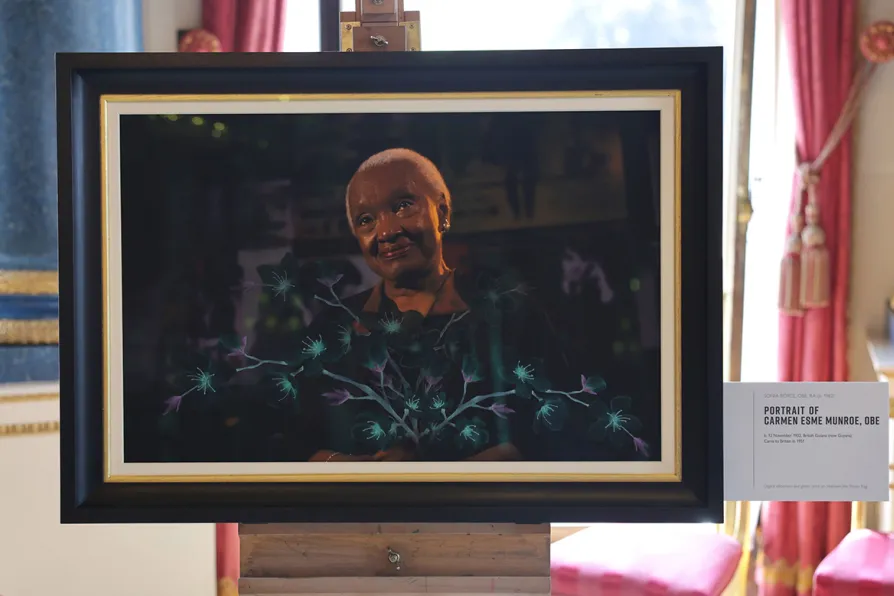
For generations black women have shaped Britain’s activism, arts and public life despite exclusion and discrimination. ZITA HOLBOURNE pays tribute to these political trailblazers and cultural icons, whose courage continues to inspire

Legal frameworks designed to safeguard women are too often weaponised against them, reinforcing male power and entrenching injustice. The FiLiA Ending MVAWG Team highlight some of the issues

The legacy of socialist feminists such as Alexandra Kollontai challenges us today to confront an uncomfortable truth: framing prostitution as empowerment lets the abusers of the Epstein class off the hook, warns HELEN O’CONNOR

Our housing crisis isn’t an accident – it’s class war, trapping millions in poverty while landlords and billionaires profit. To solve it, we need comprehensive transformation, not mere tokenistic reform, writes BECK ROBERTSON