The new Prime Minister must abandon decades of automatic support for US foreign policy, which makes us all less safe, argues DIANE ABBOTT MP


 Latest editorial

We must put the century of the car to an end
An over-reliance on cars is destroying our environment and damaging our health. Our streets need radical change if we’re ever to stop this, writes ROB WELLS

Media Lens at 25: David Cromwell and David Edwards reflect on a quarter-century of media criticism, explaining why independent journalism is more important than ever
by Weyman Bennett and Maz’s family
The International Court of Justice has delivered its clearest ruling yet that the right to strike is protected under international law, write Professor TONIA NOVITZ, Professor KEITH EWING and Lord JOHN HENDY KC
Emergency phone alerts could help Britain respond to rising wildfire risk, but Australia’s experience suggests they work best as part of a broader strategy, write ELLIOT CONVERY-FISHER and KATE PARKINS
A champion motorcyclist, trade union organiser and communist, Clem Beckett went from Britain’s speedway tracks to the battlefields of Spain, where he gave his life resisting Franco’s forces at Jarama. GEOFF BOTTOMS pays tribute to this remarkable anti-fascist


It is thankfully now accepted that if we are to stand any chance of tackling climate change we must change the way we move people and goods around.
Most talk has been about replacing petrol and diesel cars with electrics. Even our Tory government — whose ministers have never encountered a deposit of fossil fuel they didn’t want to dig up and set on fire — has set a date from which the sale of new oil-burning cars will be banned. Never mind that it’s the hopelessly and meaninglessly far away year of 2040.
We have to stop burning oil because it’s killing the planet. And that will kill us and our entire species. But the certainty of swapping our oil cars for electric cars as the next logical step for transport neatly somersaults over a flaming Cheddar Gorge full of problems.

Similar stories

ROGER D HARRIS and SARA FLOUNDERS challenge propaganda against the blockaded socialist island

ANNA FISHER explores what would it mean for women’s equality and public safety if Britain embraces full commercialisation of the sex trade
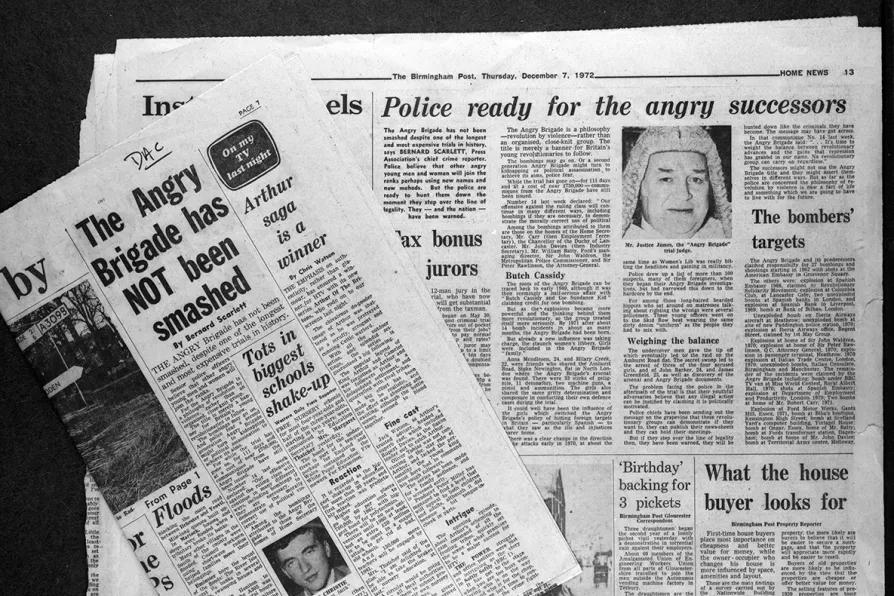
With the recent release of Paul Thomas Anderson’s movie One Battle After Another, STEPHEN ARNELL gives the storied history of the British real-life left-wing urban guerillas