History suggests apartheid ends not through appeals to conscience alone but through sustained economic and political pressure, says HUGH LANNING


 Latest editorial
Relations between China and Greece — an example to others?
JENNY CLEGG examines what Yanis Varoufakis had to say about dealing with China

As the US marks 250 years since the Declaration of Independence, the People’s World Editorial Collective argues that the real legacy of 1776 lies not in official celebrations but in centuries of popular struggles to make democracy a reality for all
Once a source of national pride, Cuba’s healthcare system declines as energy shortages deepen crisis, writes ANDREA RODRIGUEZ
Socialists, feminists and trade unionists gathered in Manchester to launch a network committed to evidence-based activism with a renewed emphasis on class and collective struggle. ANNA BARRETT reports
By making it simpler to support workers in struggle, Strike Map’s new Solidarity Fund aims to strengthen strikes when they need it most, write ROBERT POOLE and HENRY FOWLER
Only an ambitious programme of state-led investment can restore growth and improve living standards, argues MICHAEL BURKE


YANIS VAROUFAKIS, the well-known Greek anti-austerity economist and academic, who served as the minister of finance in the left-wing Syriza government from January to July 2015, has had some interesting things to say about China, both in its relations with Greece and in its role in the wider world economy after the 2008 financial crash.
At the same time as he was leading the fraught negotiations with Greece’s creditors, Varoufakis was also negotiating a deal with China.
His experiences with the Troika — the European Commission, the IMF and the European Central Bank — on the one hand and with Chinese officials on the other could not have been more different.

Similar stories
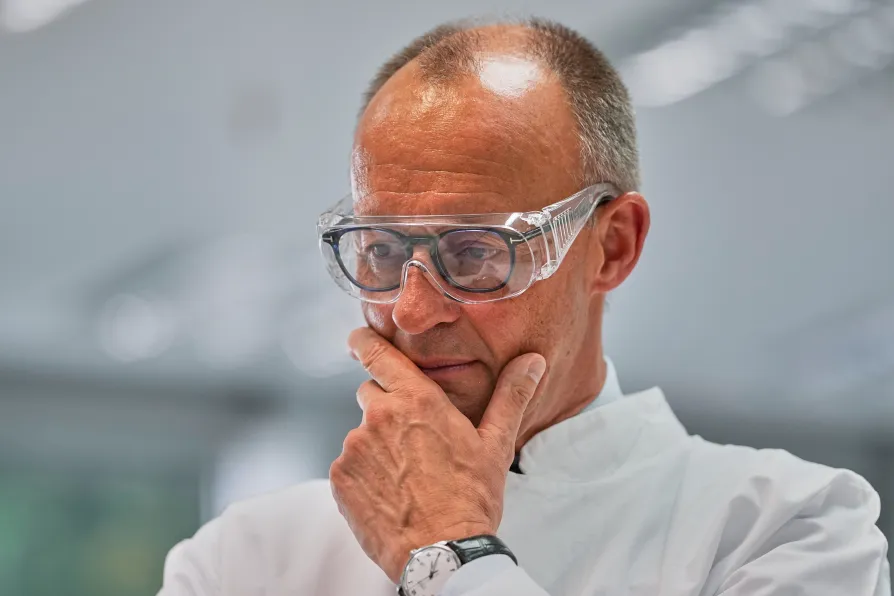
Friedrich Merz’s call for a new Plaza Accord ignores how Washington’s 1985 currency ambush destroyed Japan without fixing US deficits — China, a sovereign socialist state with 1.4 billion consumers, cannot be bullied the same way, writes CARLOS MARTINEZ
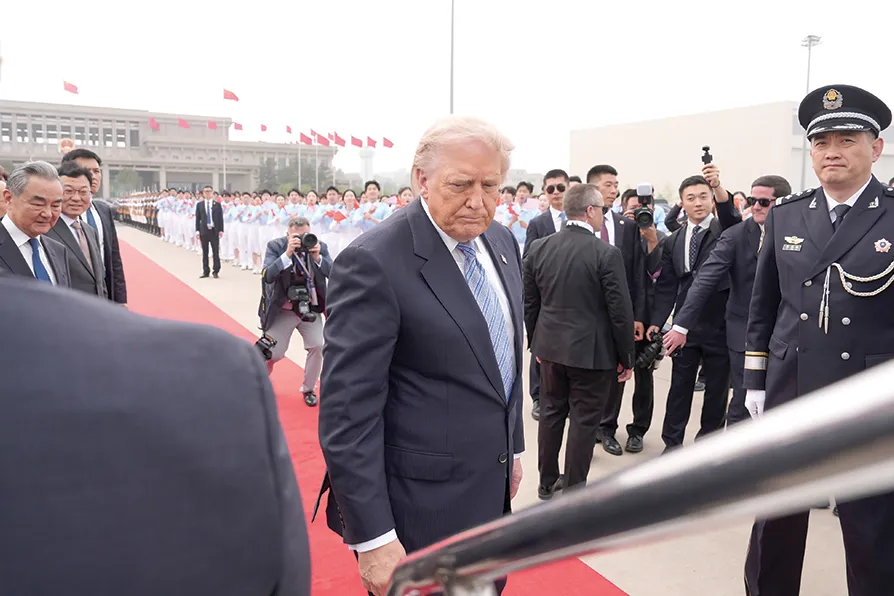
JENNY CLEGG looks at the key points that defined the China-US relationship, for now
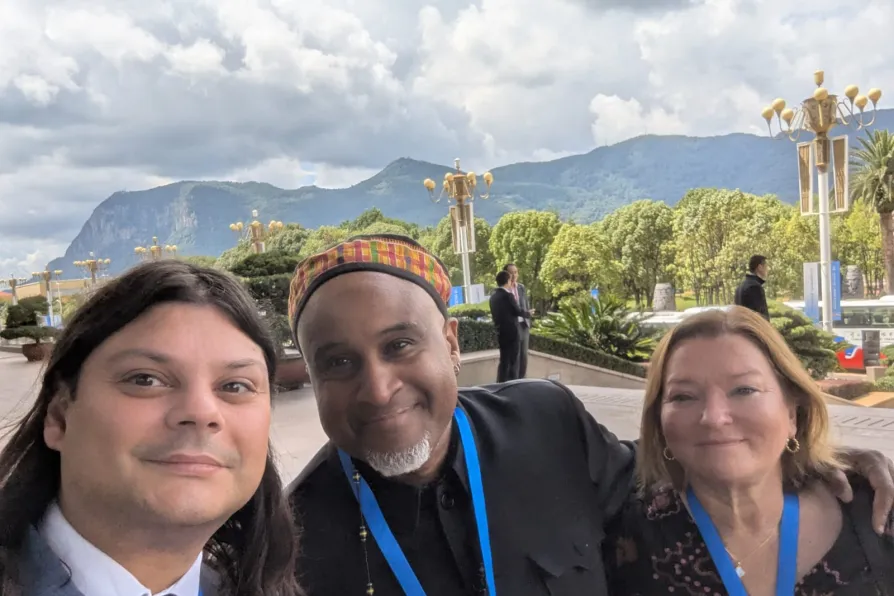
ROGER McKENZIE argues that the BRI represents a choice between treating humans as commodities or as equals — an essential project when, aside from China’s efforts, hundreds of millions worldwide are trapped in poverty

Morning Star editor BEN CHACKO reports from the start of Kunming’s Belt and Road media forum, where 200 journalists from 71 countries celebrated a new openness and optimism, forged by China’s enormous contribution to global development