

 Latest editorial
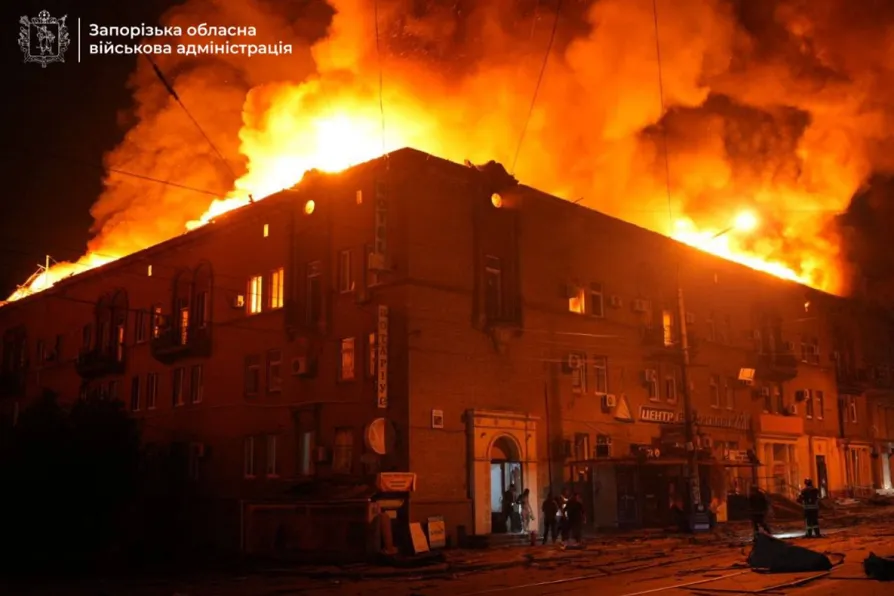


THE South African Communist Party (SACP) leadership congratulated comrades in the Free State at the weekend over their participation in the Metsimaholo by-election.
The annual augmented central committee meeting in Ekurhuleni commented: “While the SACP had hoped to achieve a marginally better result, winning three council seats after only campaigning for two weeks was a remarkable achievement.”
The municipal poll marked the first occasion since the party was declared illegal in 1950 that it contested an election independently of the ANC.

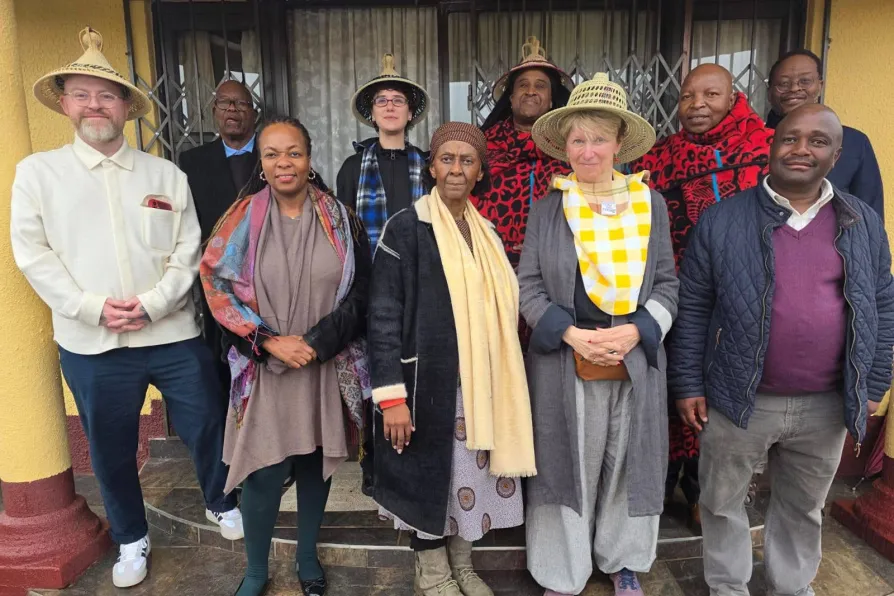
ROGER McKENZIE looks at how ancient traditions practiced today can be the cornerstone of anti-imperialism in Africa

In the run-up to the Communist Party congress in November ROB GRIFFITHS outlines a few ideas regarding its participation in the elections of May 2026
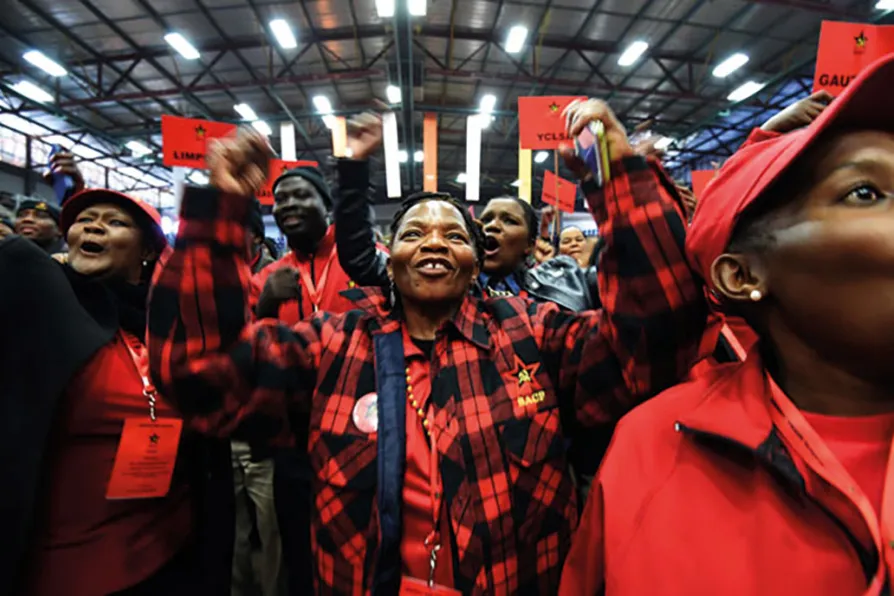
The shared path of the South African Communist Party and the ANC to the ballot box has found itself at a junction. SABINA PRICE reports
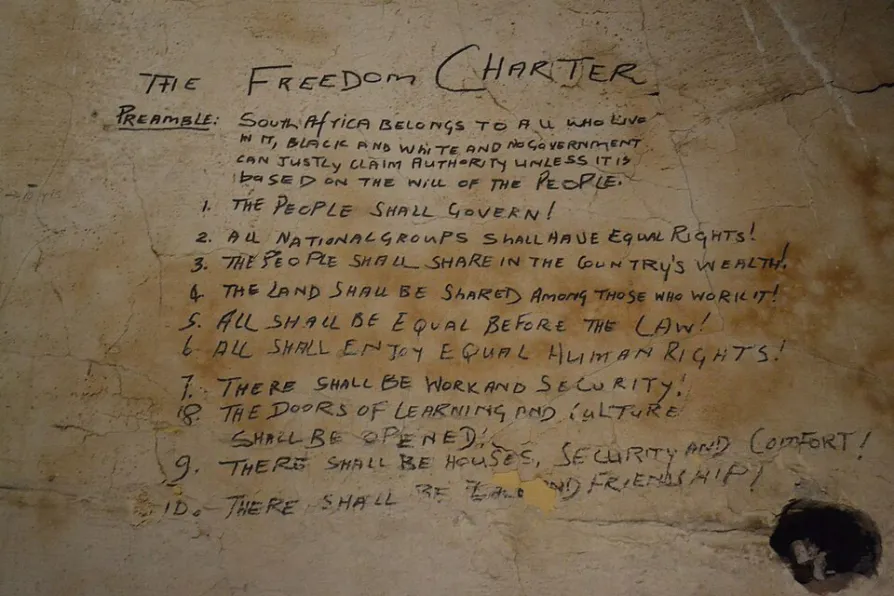
The charter emerged from a profoundly democratic process where people across South Africa answered ‘What kind of country do we want?’ — but imperial backlash and neoliberal compromise deferred its deepest transformations, argues RONNIE KASRILS