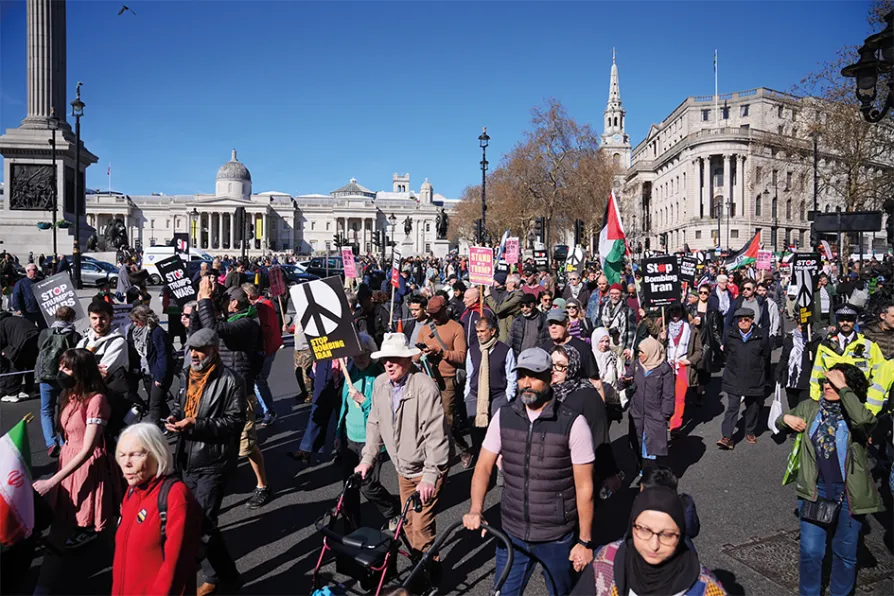
PCS general secretary FRAN HEATHCOTE explains why opposing war is inseparable from defending jobs, wages and public services – and why readers should come to the London Peace Conference on Saturday June 20


 Latest editorial
If they can do it in Cuba, what’s stopping us here?
MARI BURTON wonders how the Cuban education system creates such confident students, yet in Britain the system is failing
As protests erupt over Henry Nowak’s murder, ANDREW MURRAY argues that anger is being exploited to advance a wider racist and anti-immigration agenda
CARLOS MARTINEZ explains the sound case for car manufacturing co-operation with China
The National Emergency Briefing outlines the need for urgent action to address environmental crisis, says PAUL DONOVAN, warning that there’s no time to indulge the arguments of the fossil-fuel-funded climate-change deniers
Campaigners say criticism of Labour MP Stephen Morgan’s position on Gaza has been met with police intervention and cancelled opportunities for debate. HESTER WOLFE reports
The Committee for the Defence of Iranian People’s Rights warns of escalation danger in Iran war


YOU’D be forgiven if, when asked to think of three words associated with Cuba, “education” wasn’t one of them. Indeed, speaking to friends and colleagues about my travelling to Cuba with teachers’ union NUT in October, “cigars,” “communism” and “mojito” were some of the top contenders. Before applying for my place on the delegation I knew almost nothing about the internal structure of the country, at least in the 21st century (as a history teacher by trade, I could answer any question you like on the Cuban Missile Crisis).
Walking out of Havana airport, I had no real idea what to expect of my time investigating the education system of this beautiful Caribbean island, considering only the practical impact of the economic challenges that Cuba, as an economically developing nation, currently faces.
“In our school, we’re so lucky to have iPads and notebooks,” I fervently told my year nine form group the day before I left. “In Cuba they’re so poor — think about how difficult it must be learning things in school!”

Similar stories
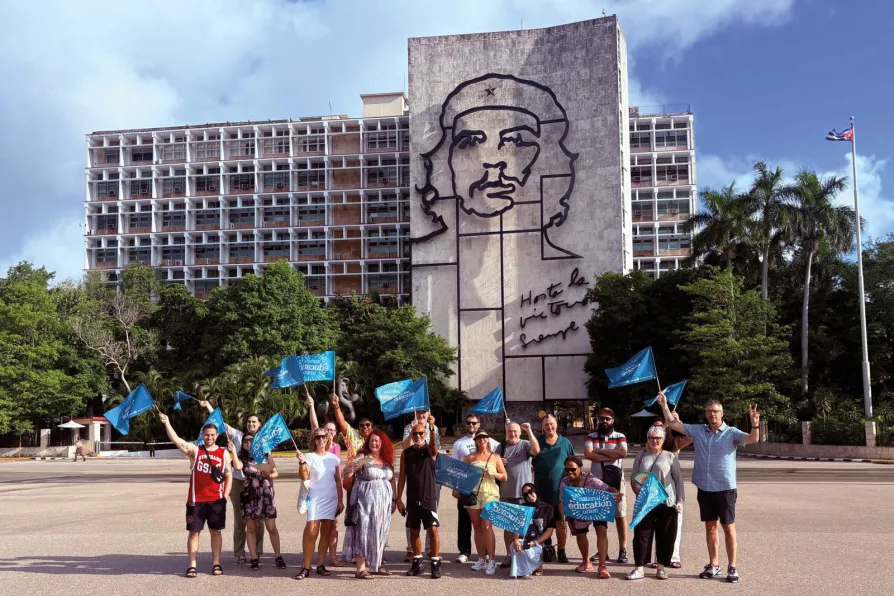
A teaching delegation to Cuba offered IAN DUCKETT a powerful glimpse into a schooling system defined by care, creativity and the legacy of the island’s remarkable 1961 literacy campaign
AMANDA J QUICK warns about the ever-expanding influence of the sex industry – and the harm it unleashes on both the women involved and society collectively, especially the young

With 12,000 fewer teachers since 2010 and dwindling resources, Scotland’s schools desperately need investment to support diverse learners rather than empty promises from politicians, writes ANDREA BRADLEY
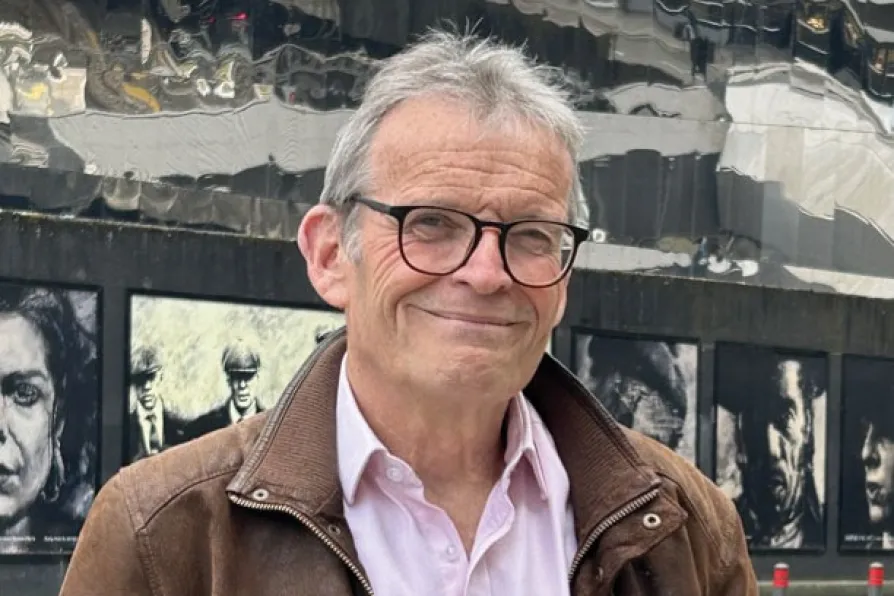
Robinson successfully defended his school from closure, fought for the unification of the teaching unions, mentored future trade union leaders and transformed teaching at the Marx Memorial Library, writes JOHN FOSTER