

 Latest editorial



SOUTH AFRICAN workers staged a general strike yesterday to mark World Day for Decent Work.
The strike called by revolutionary union federation Cosatu was part of the global events organised by the International Trade Union Confederation (ITUC) under the slogan “end corporate greed.”
Marchers filled streets of every major city in a sea of red T-shirts as workers took advantage of legal strike protection to enjoy a long weekend.


The General Strike exposed the power of the working class — and the limits of its leadership, writes Dr DYLAN MURPHY
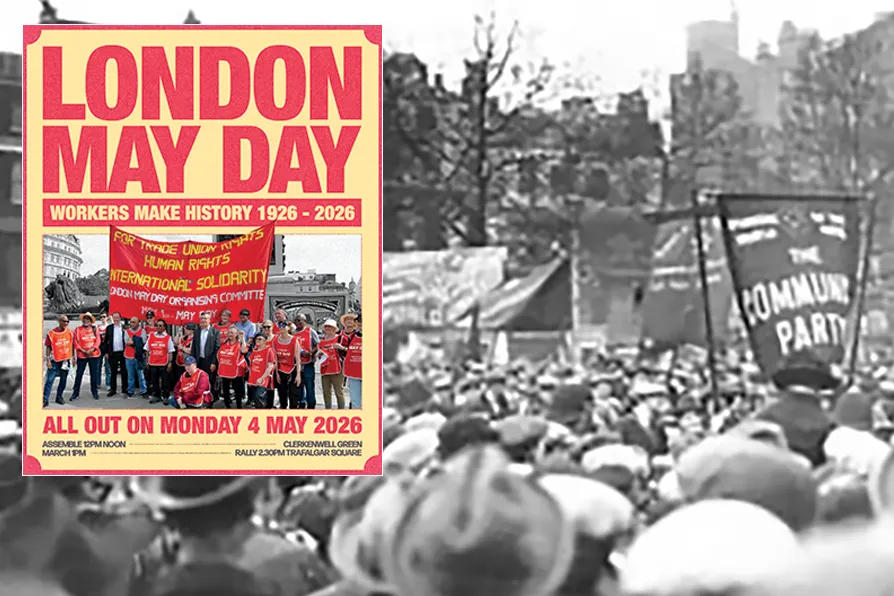
One hundred years after 1.7m workers shut the country down in defence of the miners, the struggles that sparked the 1926 General Strike are still with us – and will be honoured on London’s May Day march this year, writes MARY ADOSSIDES
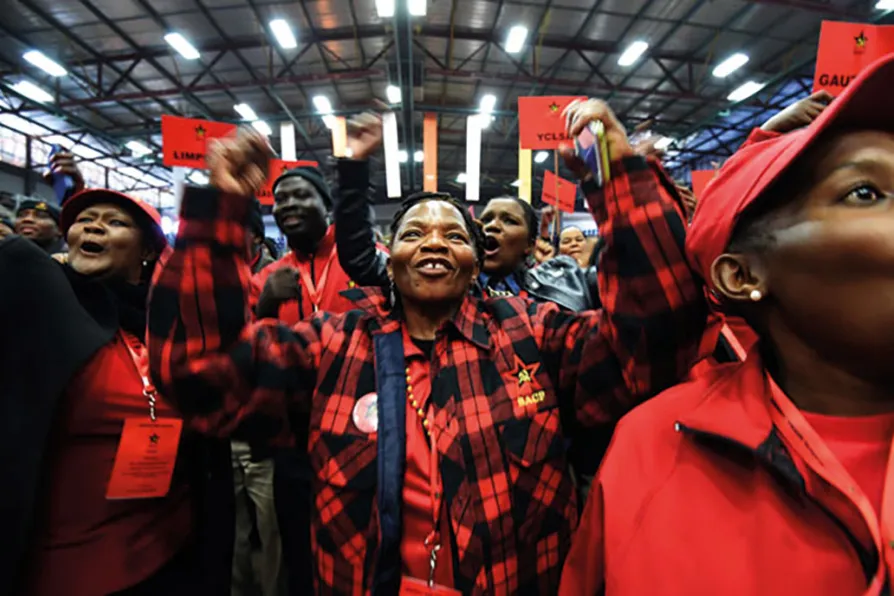
The shared path of the South African Communist Party and the ANC to the ballot box has found itself at a junction. SABINA PRICE reports
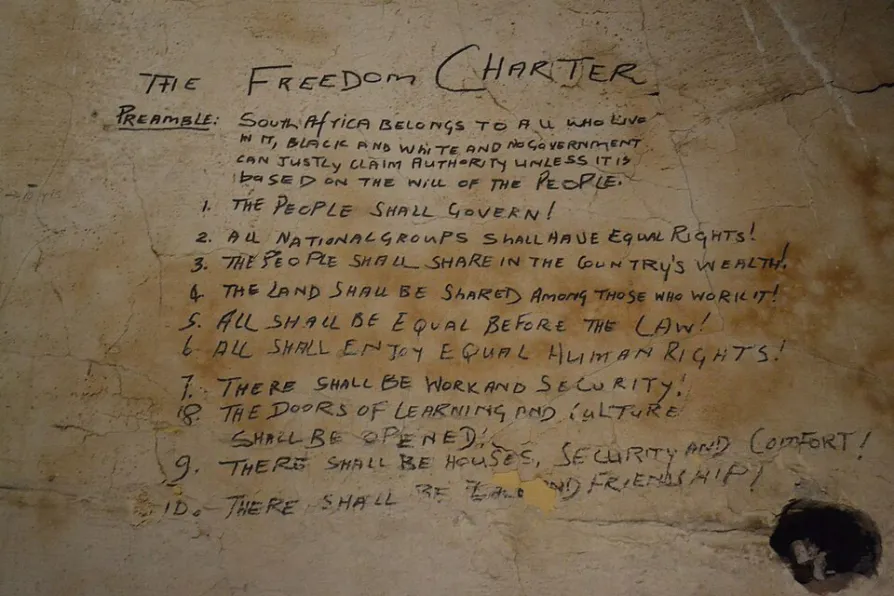
The charter emerged from a profoundly democratic process where people across South Africa answered ‘What kind of country do we want?’ — but imperial backlash and neoliberal compromise deferred its deepest transformations, argues RONNIE KASRILS