While international attention focuses on ceasefire frameworks, Israel is openly advancing plans for a permanent expansion of its control over Gaza, writes RAMZY BAROUD


 Latest editorial
Our labour rights must be defended at all costs
KEITH EWING and JOHN HENDY explore how the movement can resist the government’s draconian Trade Union Bill

Researchers PAUL HOLDEN and JESSICA MURRAY are calling for whistleblowers and documentary records to uncover how Labour Together helped build the parliamentary majority that now dominates the Labour Party
Cuba continues to embody a vision of internationalism that imperialism has never forgiven, argues ZOLTAN ZIGEDY
PCS general secretary FRAN HEATHCOTE explains why opposing war is inseparable from defending jobs, wages and public services – and why readers should come to the London Peace Conference on Saturday June 20
As protests erupt over Henry Nowak’s murder, ANDREW MURRAY argues that anger is being exploited to advance a wider racist and anti-immigration agenda
CARLOS MARTINEZ explains the sound case for car manufacturing co-operation with China


TRADE unionists will meet at the NUT’s Mander Hall in central London this evening, united in their fury about Tory attacks on their civil liberties.
What is at stake is an attempt to silence the trade union political voice and to emasculate its industrial power. Neither will succeed — trade unions are too important and their support too strong. A bloody battle of wills is about to unfold.
From the first British legislation against collective bargaining in 1349, we have had to fight for our rights — against the Combination Acts of 1799 and 1800, not repealed until 1824; against the judges to achieve the Trade Union Act of 1871; and against the judges again to pass the Trades Disputes Act 1906 (a struggle which was instrumental in forming the Labour Party).

Similar stories
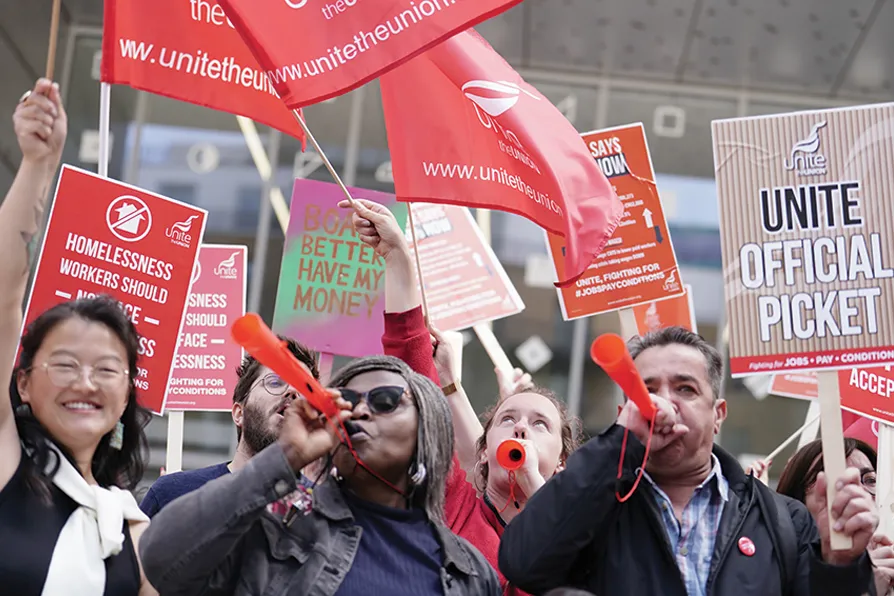
The unions are unhappy with the Employment Rights Act 2025 and with good reason. KEITH EWING and Lord JOHN HENDY KC take a close look at why the Bill promised more than it delivered

A past confrontation permanently shaped the methods the state will use to protect employers against any claims by their employees, writes MATT WRACK, but unions are readying to face the challenge
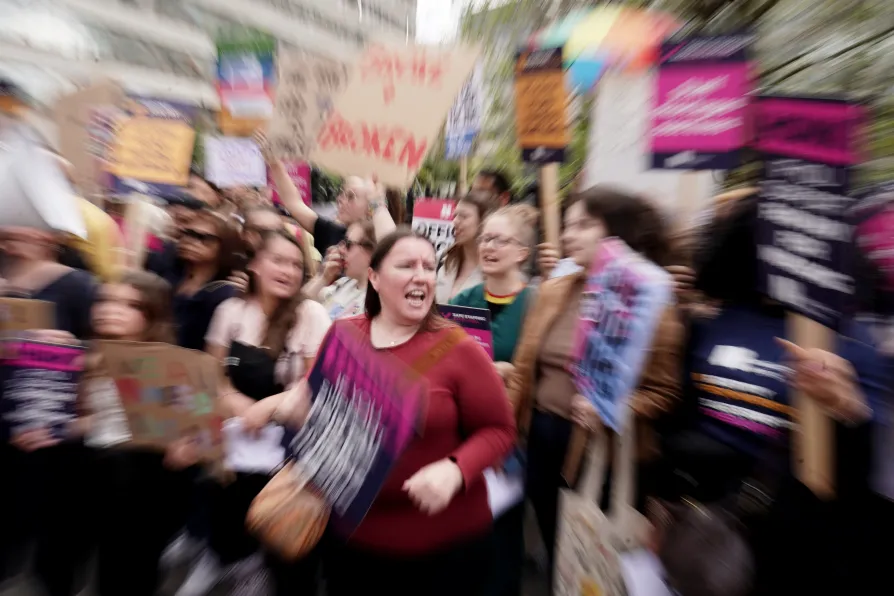
The Bill addresses some exploitation but leaves trade unions heavily regulated, most workers without collective bargaining coverage, and fails to tackle the balance of power that enables constant mutation of bad practice, write KEITH EWING and LORD JOHN HENDY KC

It is only trade union power at work that will materially improve the lot of working people as a class but without sector-wide collective bargaining and a right to take sympathetic strike action, we are hamstrung in the fight to tilt back the balance of power, argues ADRIAN WEIR