

 Latest editorial
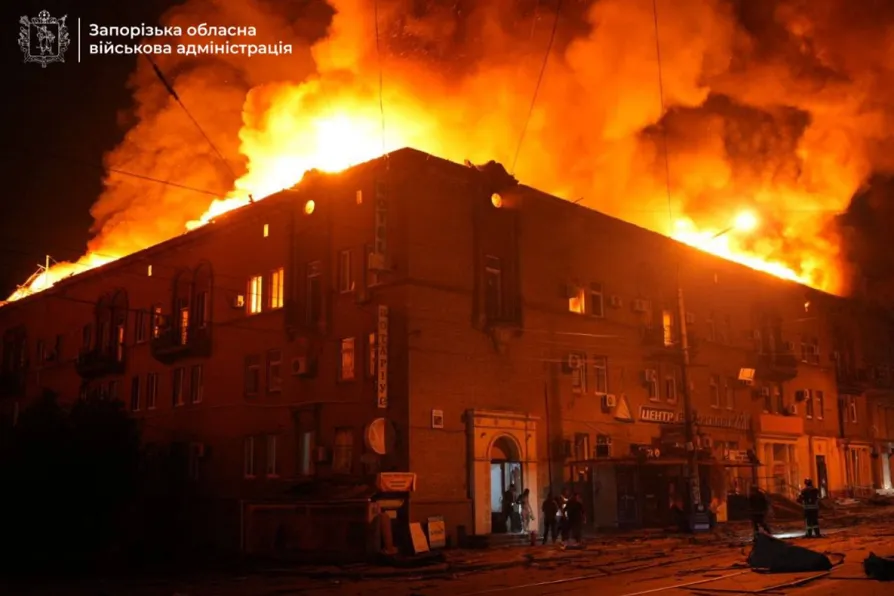


NEPALESE security forces were on high alert yesterday as the country’s constituent assembly prepared to vote on a new constitution.
Assembly members are due to vote on the final draft of the document today, after more than 40 people have been killed in weeks of protests against certain clauses.
The new constitution will replace the interim charter adopted in 2007, following the overthrow of the monarchy and the victory of the Communist Party Of Nepal (Maoist) in parliamentary elections.

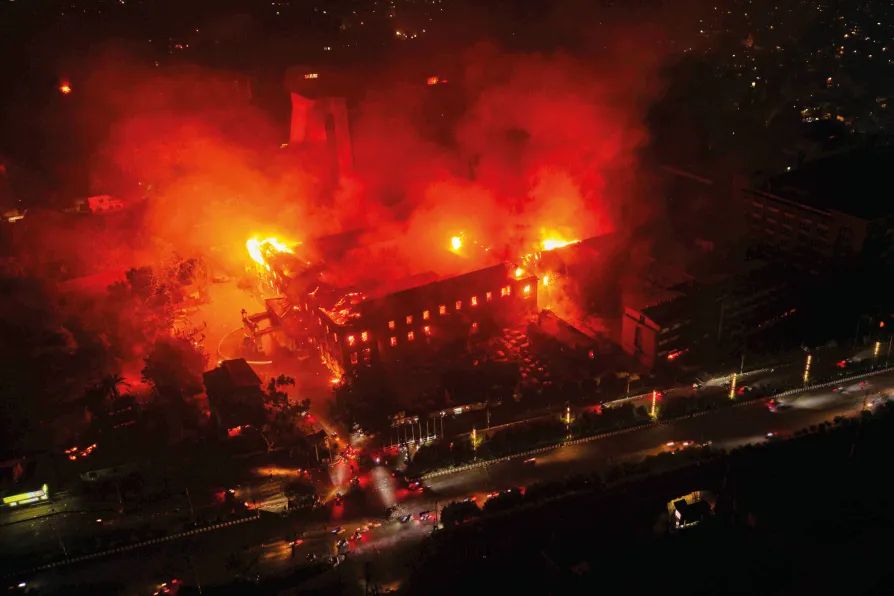
Following the resignation of Nepali Prime Minister KP Oli amid mass youth-driven protests, different narratives have circulated which simplify and misrepresent the complexities and reality on the ground in Nepal at the roots of this crisis, argue VIJAY PRASHAD and ATUL CHANDRA
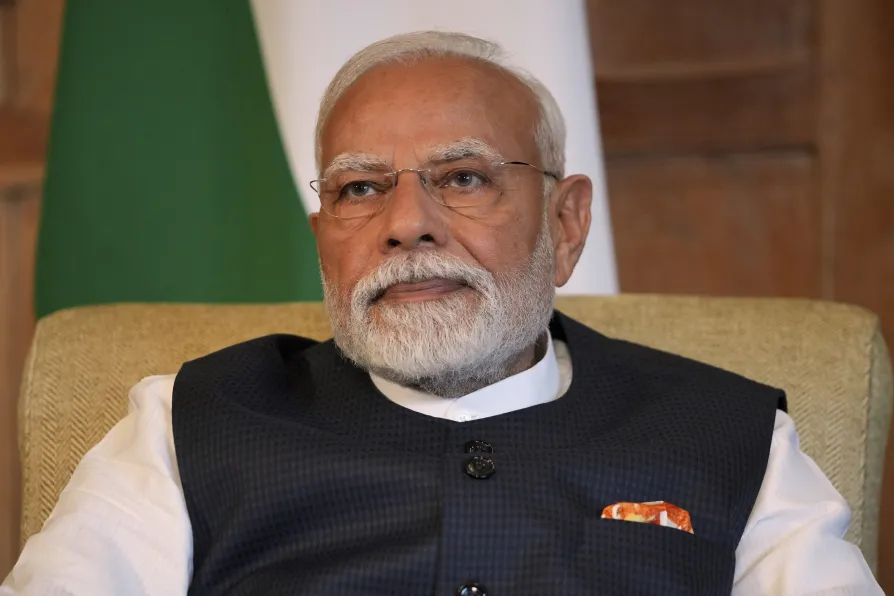
Indian communist leader MA Baby considers the chilling escalation of violence against minorities and increasing impunity for their attackers under the Modi regime
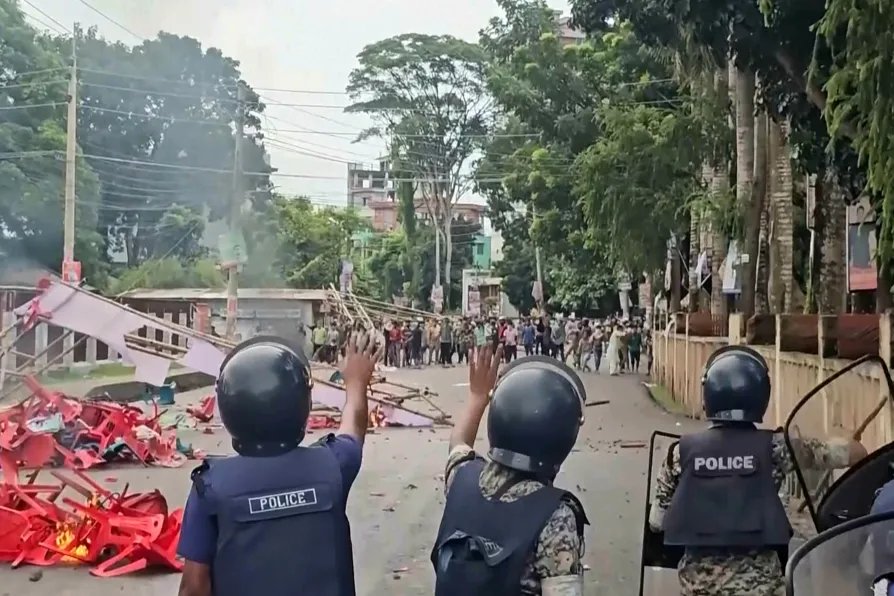
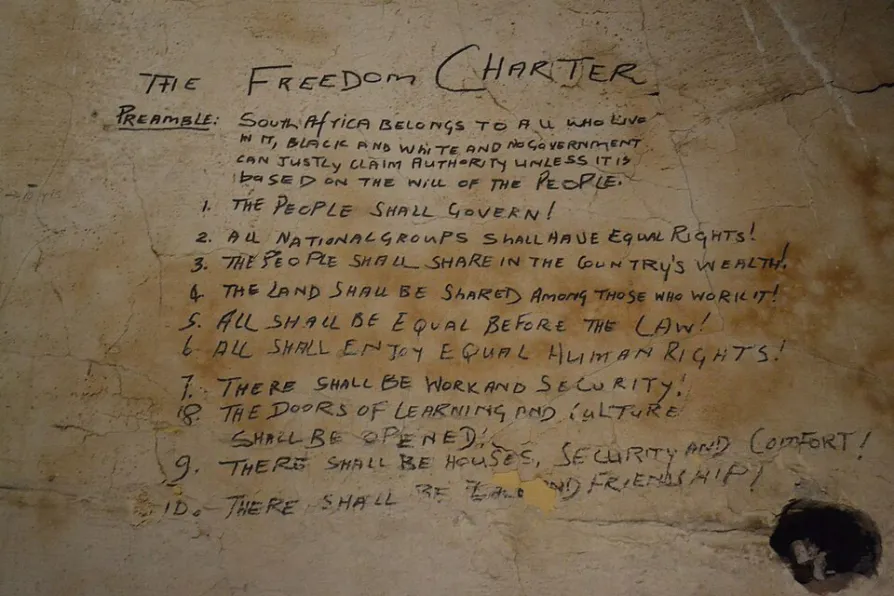
The charter emerged from a profoundly democratic process where people across South Africa answered ‘What kind of country do we want?’ — but imperial backlash and neoliberal compromise deferred its deepest transformations, argues RONNIE KASRILS