PAUL DONOVAN is chilled by the contemporary resonance of Harper Lee’s coming of age tale amidst racism and white supremacy in this excellent production


 Latest editorial
Inspirational account of Boldon colliery’s proud heritage
Boldon Colliery: A Proud Heritage, by David Temple (Durham Miners’ Association, £10)

GEOFF BOTTOMS recommends the unashamedly light-hearted escapism on offer in this stage version of the 1963 film
Full of mysterious religious references and radical sound design, the Scottish duo’s new offering is candidate for album of the year, suggests SIMON DUFF
MARY CONWAY revels in a powerful reminder that human lives are not defined by physical perfection
PAUL DONOVAN recommends the fine performances in this account of the pre-war meeting between the US president and the British king
TECLYN AROD relishes an intimate celebration of jazz improvisation that mixes local and national musicians


Boldon colliery was sunk in the Durham coalfield by the Harton coal company in 1866. The pit closed in 1982 but its spirit lives on today, evidenced by the appearance in recent years of the colliery union banner at the historic Durham miners’ gala.
As this book’s author David Temple makes clear, Boldon was a militant and radical pit. It was often at odds with union officials in Durham but the militancy and radicalism was not confined merely to industrial action or even to long-term political ambitions such as the establishment of a genuine working-class political party to take on the Liberals and the Tories.
According to Durham Miners’ Association general secretary Dave Hopper in his foreword to the book, they “sought solutions to the day-to-day problems of their village. They looked after the unemployed, the injured and the widows and built the first aged miners’ homes in the country.

Similar stories
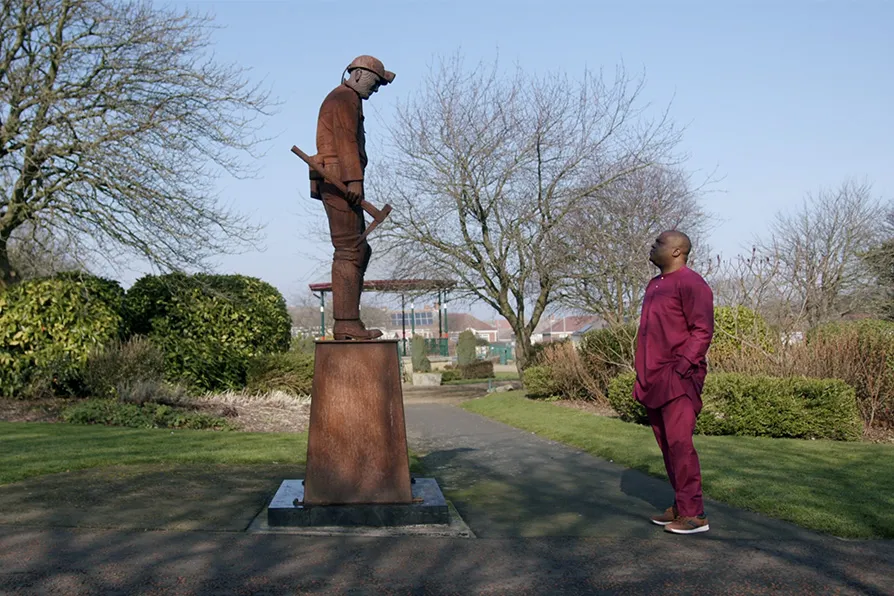
MIKE QUILLE applauds an excellent example of cultural democracy: making artworks which are a relevant, integral part of working-class lives
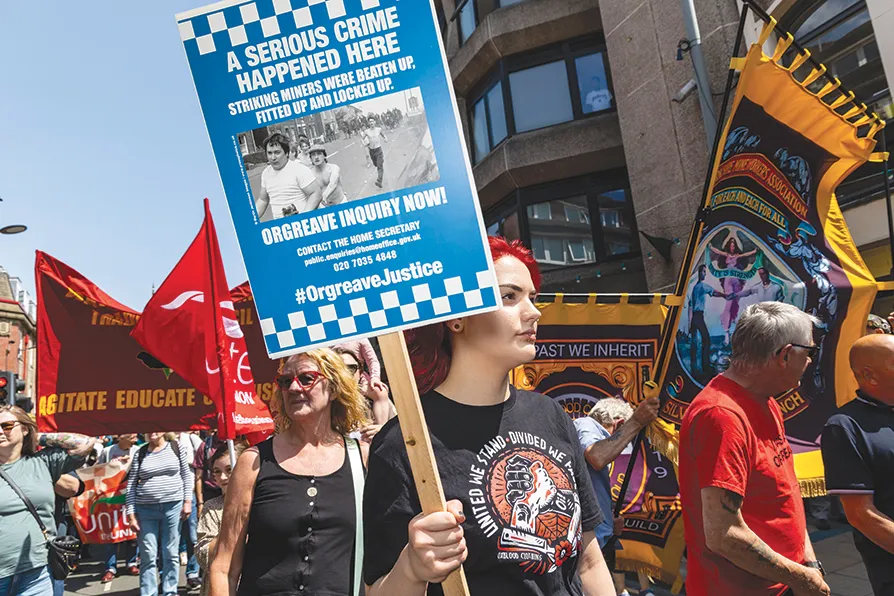
The Home Secretary’s recent letter suggests the Labour government may finally deliver on its nine-year manifesto commitment, writes KATE FLANNERY, but we must move quickly: as recently as 2024 Northumbria police destroyed miners’ strike documents

The Gala’s core message of working-class solidarity offers renewed hope and provides the antidote to the anti-worker policies of Reform UK, argues IAN LAVERY MP

Durham Miners’ Association general secretary ALAN MARDGHUM speaks to Ben Chacko ahead of Gala Day 2025