The new Employment Rights Act is a step forward, but restoring collective bargaining and union power remains essential to tackling insecurity, outsourcing and low pay, says PAUL WHITEHOUSE


 Latest editorial
From white sheets to spreadsheets
Fifty years on from the dramatic events of Selma, Greg Palast shows that black US voters are still being systematically disenfranchised

Trade unionists are mobilising to support Cuban workers and public services, amid escalating US pressure on the socialist island. RONAN OGILVY explains
The defence secretary’s resignation reveals not a split over principle but a dispute over pace of military spending, as Britain’s political Establishment unites behind deeper Nato commitments, argues NICK WRIGHT
The ceasefire may have halted the fighting for now, but years of economic warfare and recent military attacks have left millions of Iranians facing hardship and uncertainty, says Codir’s RUBEN BRETT
The struggle for Palestinian freedom has become a defining issue for everyone committed to justice, democracy and peace, says PETER LEARY ahead of the Stop the War International Conference on Saturday
Unison director of organising KEVIN LUCAS explains the Organising to Win strategy, its successes to date and key tests on the union’s horizon


I hate to spoil a happy ending. The movie Selma, like last week’s commemorations of Martin Luther King Jnr’s march from Selma, Alabama, 50 years ago, celebrates the US’s giant leap from apartheid.
Half a century ago Alabama state troopers and a mob of racist thugs beat African-Americans and others as they marched across the Edmund Pettus Bridge, demanding no more than the right to vote.
By the time King led 25,000 demonstrators singing We Shall Overcome into the state capital Montgomery on March 24, the president of the United States had introduced the Voting Rights Act. Free at last — to vote. Roll credits.

Similar stories

The real ‘humanitarian threat’ isn’t Cuba but the United States, where poverty, lack of healthcare and illiteracy abound, writes LINDA PENTZ GUNTER

1943-2025: How one man’s unfinished work reveals the lethal lie of ‘colour-blind’ medicine

ROGER McKENZIE argues that Western powers can see the beginning of the end in the rise of the global South — and racist reactions are kicking in
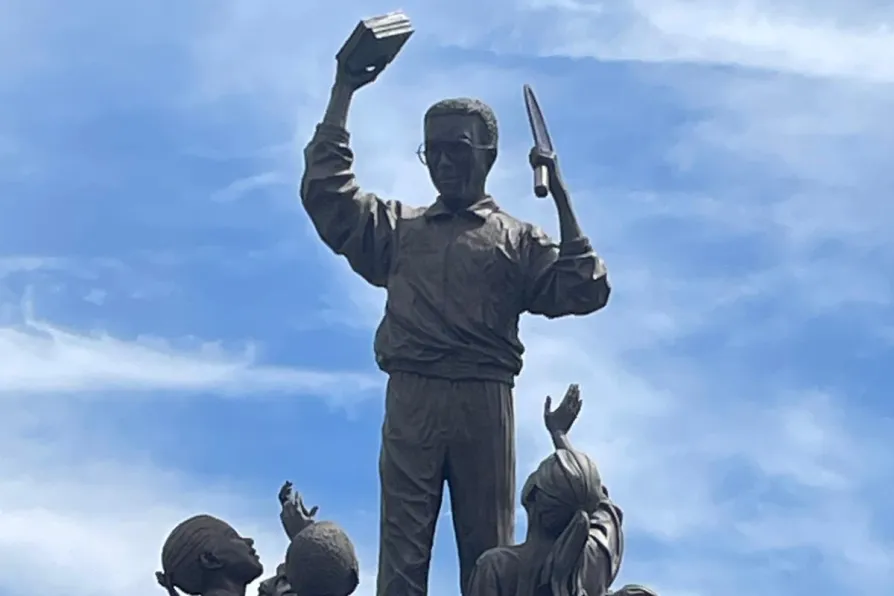
Still the only black man to win the US Open tennis title, a statue of the legendary champion, Arthur Ashe, is now the only one remaining on Monument Avenue in his Richmond, Virginia hometown, where confederate leaders of the Civil War were also once displayed, writes LINDA PENTZ GUNTER