PAUL DONOVAN is chilled by the contemporary resonance of Harper Lee’s coming of age tale amidst racism and white supremacy in this excellent production


 Latest editorial
Theatre review: England, Arise!
BERNADETTE HYLAND highly recommends a powerful dramatisation of working-class resistance to the carnage of WWI
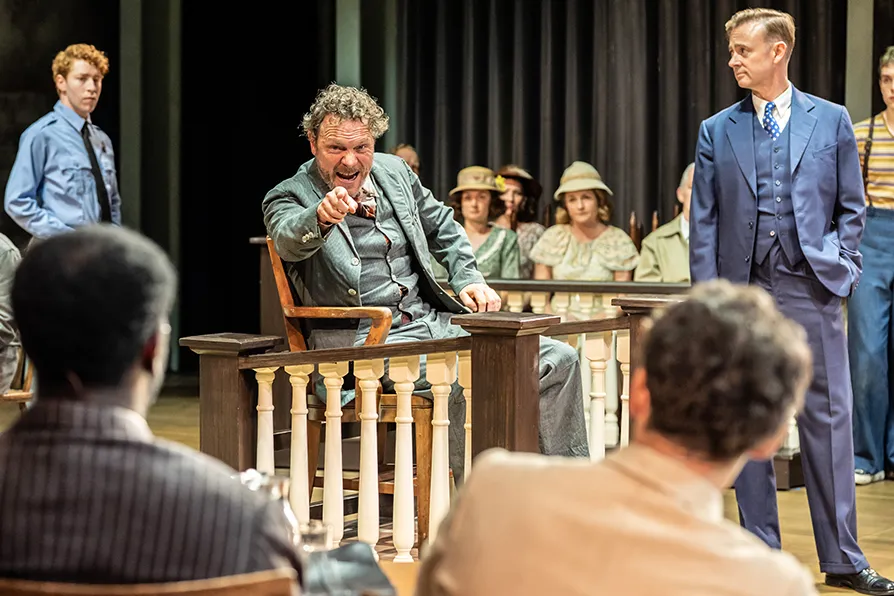
GEOFF BOTTOMS recommends the unashamedly light-hearted escapism on offer in this stage version of the 1963 film
Full of mysterious religious references and radical sound design, the Scottish duo’s new offering is candidate for album of the year, suggests SIMON DUFF
MARY CONWAY revels in a powerful reminder that human lives are not defined by physical perfection
PAUL DONOVAN recommends the fine performances in this account of the pre-war meeting between the US president and the British king
TECLYN AROD relishes an intimate celebration of jazz improvisation that mixes local and national musicians


England, Arise!
People’s History Museum, Manchester/Touring
5 stars
FORGET ceramic poppies and sentimentalised dramas about the first world war.
Instead, go and see Bent Architect’s production of England, Arise! about the real lives of political activists Arthur Gardiner (Chris Lindon) and Percy Ellis (James Britton) who opposed the war.
Gardiner (Chris Lindon) and Ellis (James Britton) lived in Huddersfield in the early 1900s and were part of a vibrant socialist movement which gave them hope as young people that life was only going to get better.
They portray a strong friendship between the two men — in performances which occasionally veer almost into music hall routine — which shows how these young men were confident about the future, determined in their anti-war stance and inspired by the Suffrage movement which at that time was in its 60th year of campaigning for women’s right to vote.
The Suffragette campaign is forcefully represented in the character of Lillian Lenton (Stephanie Butler) who shows the eccentricity and tenacity of the real-life activist who was imprisoned and force-fed and turns up in Huddersfield on her escape from the police.
Local women Sis Timmins (Laura Bonnah) and Lavena Saltonstall (Stephanie Butler again) are shown as complex characters who are learning about being independent women as well as supporting their men when they refuse to serve in the war.
Gardiner and Ellis were both sentenced to military prison and brutalised in much the same way as the soldiers who volunteered to go to war.
Crucial to the power of the play is the use by playwright Mick Martin in Jude Wright’s production of Gardiner’s verbatim defence of his opposition to the war when facing a military tribunal.
Isolated and victimised by their military jailers, both men are inspirational in their determination to maintain their principled response to militarism, whether in refusing to call their warders “sir” or facing their fears as they are separated and put into isolation for long periods.
Outside the prison the campaign to support the two conscientious objectors carries on, spearheaded by the women, even though they face violence at meetings and are often seen as outcasts by sections of their community.
Though only 20,000 people refused to take part in WWI, this small number was seen as a major and direct threat by the government.
This play is thus a reminder of the importance of that courageous anti-war stance and the high price that working-class people have always paid in the war games of the ruling classes.
Next performances at the Rochdale Pioneer’s Museum on November 18 and 19, details: www.rochdalepioneersmuseum.org

Similar stories
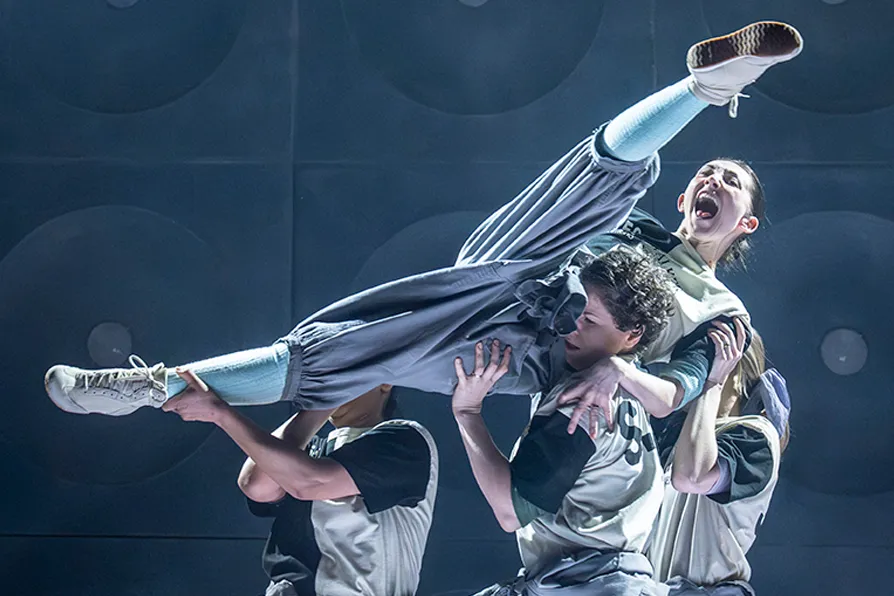
GEOFF BOTTOMS recommends an inspiring, political and bittersweet account of the munitions factory workers who are the fore-runners of the modern women’s game
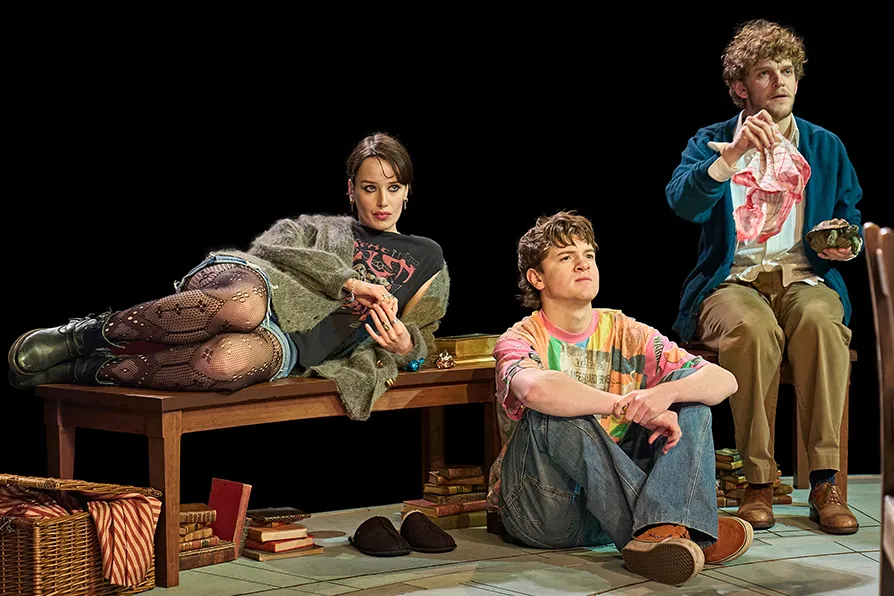
MARY CONWAY becomes impatient with the intellectual self-indulgence of Tom Stoppard in a production that is, nevertheless, total class
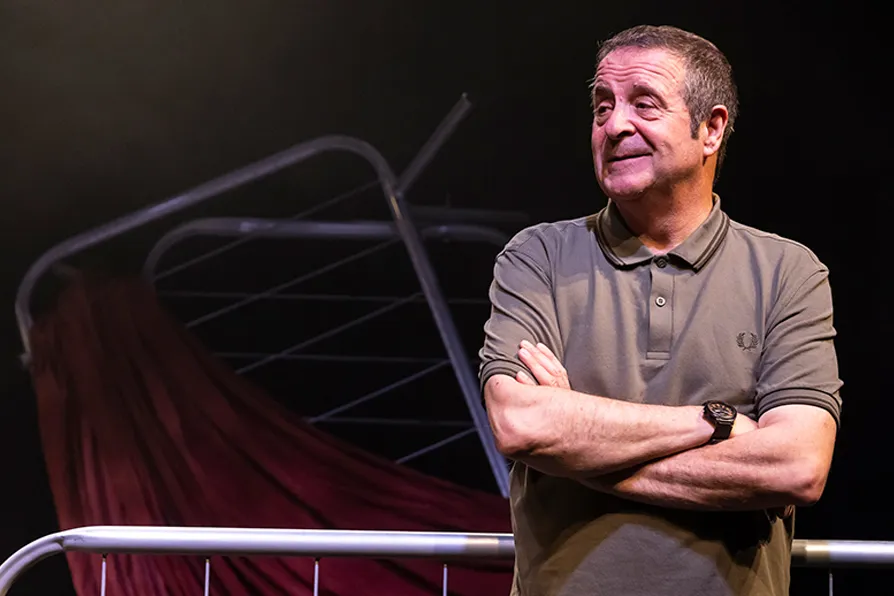
GEORGE FOGARTY is captivated by a brilliant one-man show depicting life in HMP Strangeways
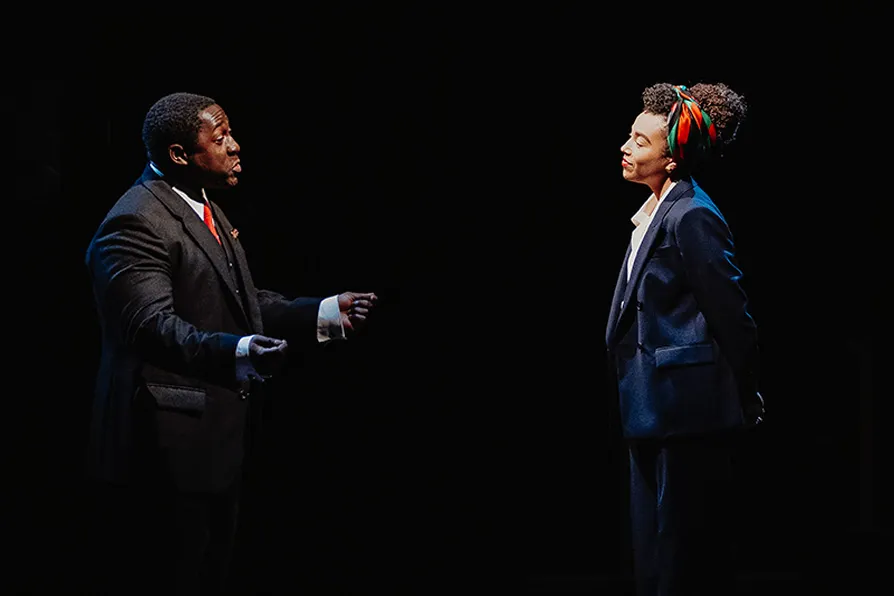
PAUL FOLEY welcomes a dramatic account of the men and women involved in the pivotal moment of the 5th Pan African Congress