While international actors discuss governance and reconstruction, Netanyahu has made it clear that Israel has no intention of ending its military occupation, says RAMZY BAROUD


 Latest editorial
Chokepoint canals: How climate and politics threaten global shipping
Man-made canals like Panama and Suez face unprecedented challenges from extreme weather patterns and geopolitical tensions that reveal the fragility of our global trade networks, write ROX MIDDLETON, LIAM SHAW and MIRIAM GAUNTLETT
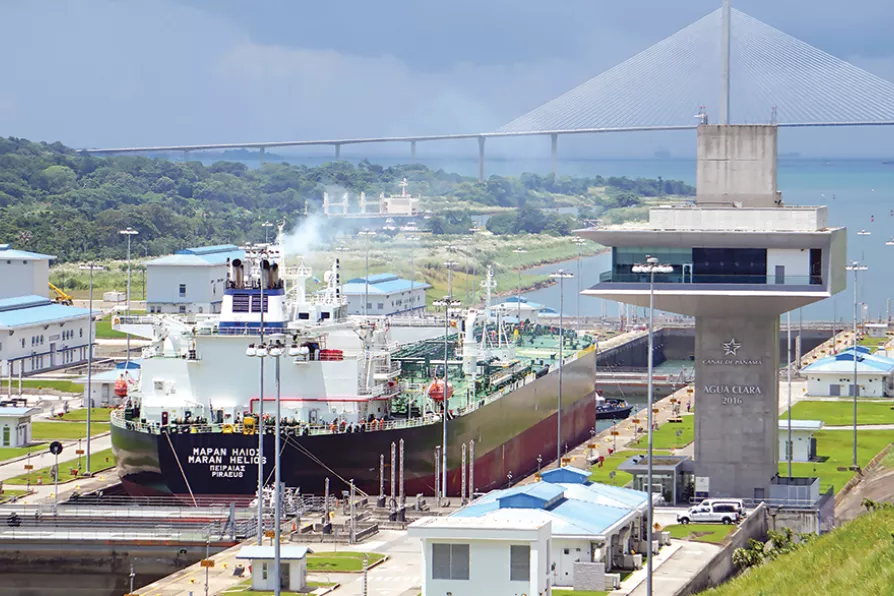 MORE THAN A WATERWAY: The Agua Clara (Clear Water) locks on Gatun Lake, Panama Canal in September 2019
[Mariordo (Mario Roberto Duran Ortiz)/CC]
MORE THAN A WATERWAY: The Agua Clara (Clear Water) locks on Gatun Lake, Panama Canal in September 2019
[Mariordo (Mario Roberto Duran Ortiz)/CC]
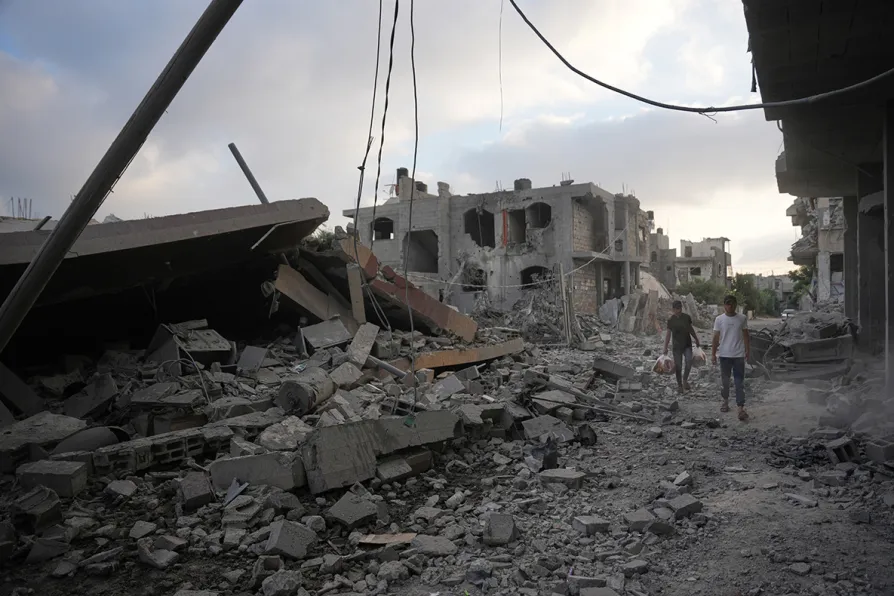
NICK WRIGHT continues his series analysing the trends in European politics
We have the alternative economics, histories of our struggles and the confidence to change the world
General Federation of Trade Unions assistant general secretary HENRY FOWLER reports on the final day from the GFTU’s residential Summer School at the Workers’ Retreat, Quorn Grange Hotel
Capitalism has exploited — and polluted — our natural resources for too long, it’s time we treated our rivers as living beings, writes MIRIUM GAUNTLETT, LIAM SHAW and ROX MIDDLETON
Treating the Clacton by-election as a joke risks reinforcing the Reform leader’s claim to be the victim of an out-of-touch Establishment, argues JOHN McINALLY
MPs and others called for the urgent release of tortured Palestinian doctor, Hussam Abu Safiya, held hostage by Israel and reportedly near death, reports LINDA PENTZ GUNTER


IN today’s modern, globalised world, we often take for granted that many of the commodities we use in daily life begin as raw materials thousands of miles away. These raw materials require extraction, assembly and, crucially, transportation before they are placed on the consumer market to be sold.
Marx’s second volume of Capital emphasises the importance of circulation as an essential feature possessed by capital: “Capital as self-expanding value embraces not only class relations... It is a movement, a circulatory process going through various stages.”
Globalisation has meant that transportation of capital in the commodity-form is something that occurs on a worldwide scale. Key to the transport of commodities (everything from computers to clothes to petrol) are global shipping routes.
The Panama Canal is an artificial waterway created through the narrow strip of land in Central America that separates the Pacific Ocean from the Caribbean Sea. It is an essential conduit for maritime trade, meaning that ships can circumvent the long and dangerous route around the southernmost tip of South America when travelling from the Pacific Ocean to the Atlantic Ocean.

Similar stories
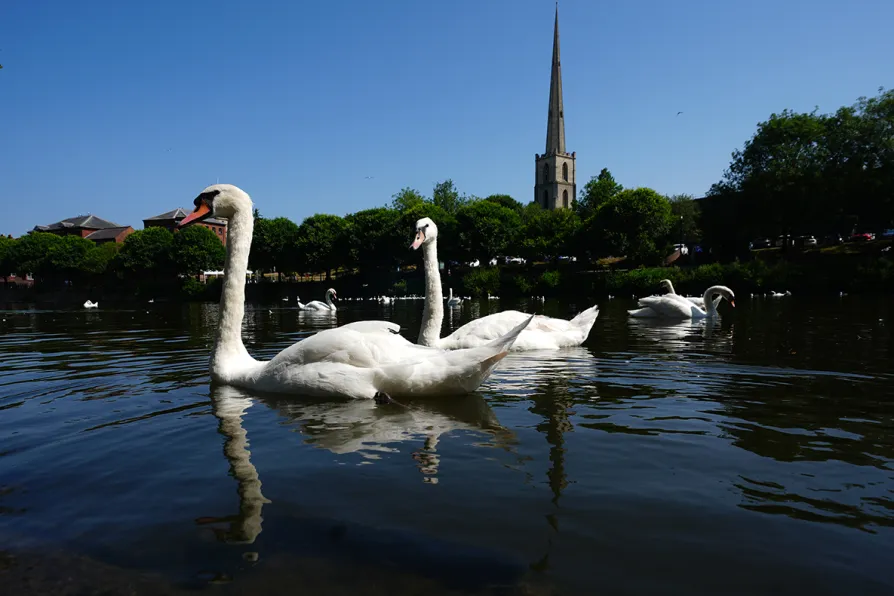
Capitalism has exploited — and polluted — our natural resources for too long, it’s time we treated our rivers as living beings, writes MIRIUM GAUNTLETT, LIAM SHAW and ROX MIDDLETON
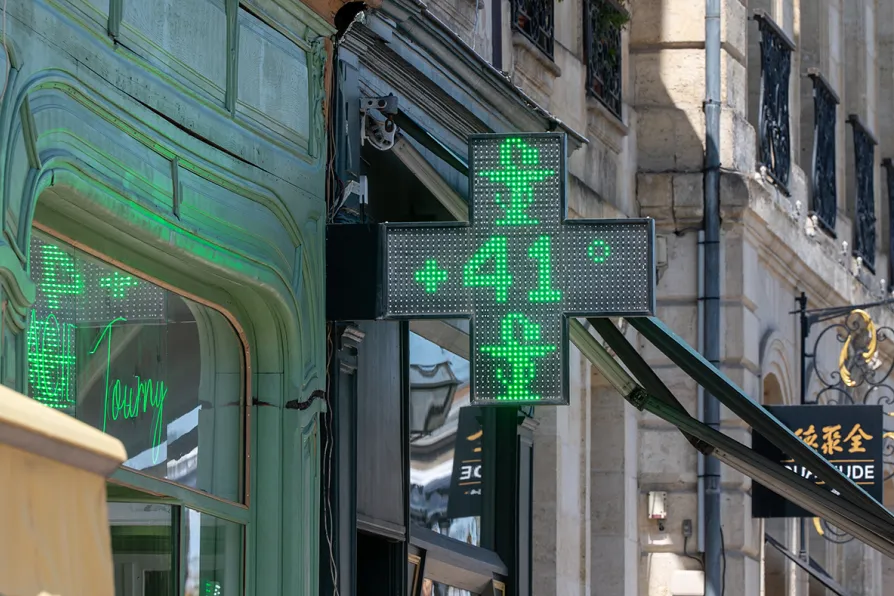
Extreme heat is now one of the defining public health challenges of a warming world, explains Prof IAN WILLIAMS
![BY ANY MEANS POSSIBLE: Yanaocha mine in Cajamarca, Peru is the largest gold mine in South America operated by Newmont Corporation. It is considered the most profitable in the world [Pic: Elbuenminero/CC]](https://morningstaronline.co.uk/sites/default/files/styles/desktop/public/2025-09/extractive%20caoitakism%20webpic.jpg.webp?itok=lkf5b6oi)
JOE GILL appreciates a lucid demonstration of how capital today is an outgrowth of the colonial economy

FRANCISCO DOMINGUEZ says the US’s bullying conduct in what it considers its backyard is a bid to reassert imperial primacy over a rising China — but it faces huge resistance