STEPHANIE BROWN draws attention to the hidden labour of the female embroiderers, and how a 19th century replica made no such error


 Latest editorial
An exceptional account of British historical crimes, and the struggle against them
BOB NEWLAND appreciates an important contribution to the debate about how slavery helped to build the wealth of Western companies and states
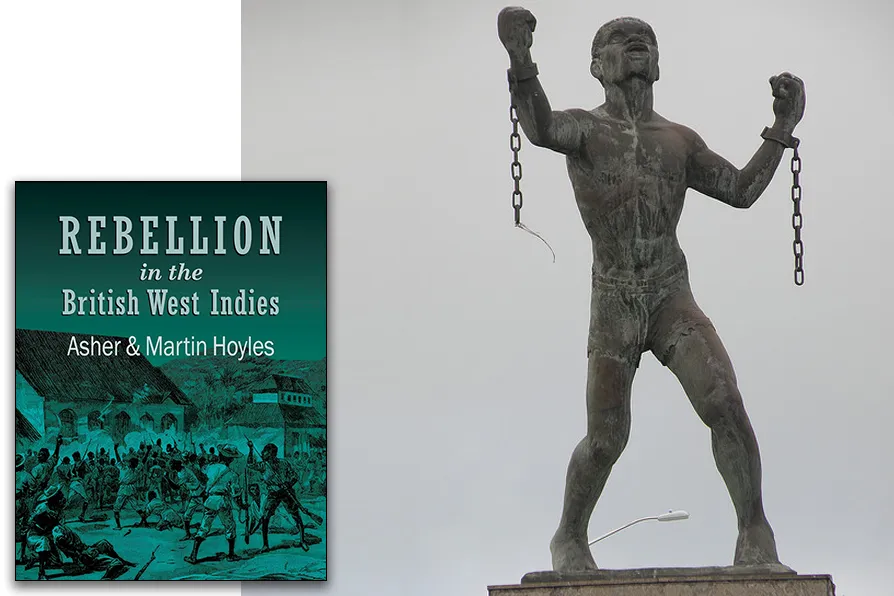 Bussa, leader of the biggest slave rebellion in Barbadian history, 14-16 April, 1816. In 1998, the Parliament of Barbados named Bussa as one of the National Heroes of Barbados. Statue by Barbadian-Guyanese sculptor Karl Broodhagen [Pic: Dogfacebob]
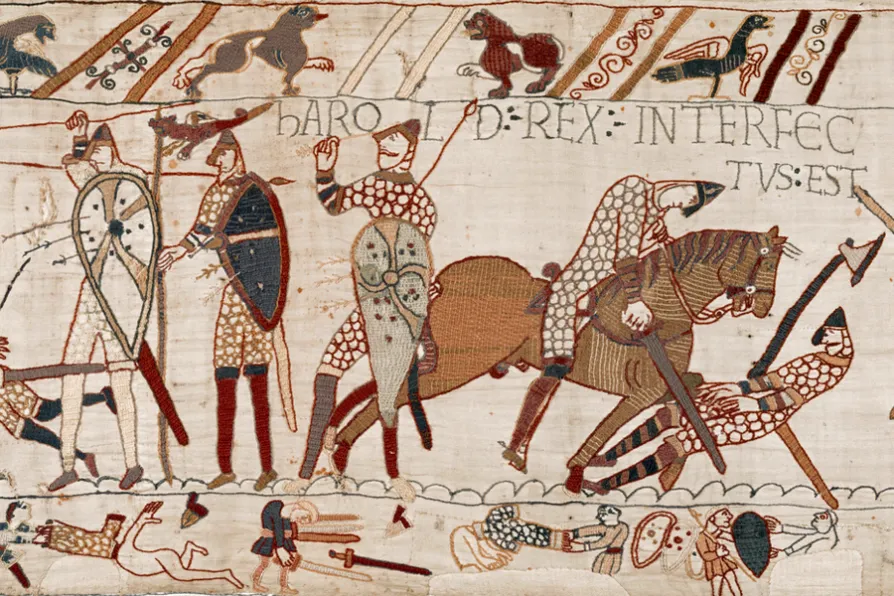
MIK SABIERS revels in a band that ploughs an idiosyncratic furrow of expletive laden, guitar-driven alt rock
ANDY HEDGECOCK, MARIA DUARTE and ANGUS REID review Synthetic Sincerity, Our Hero, Balthazar, Heartstopper Forever, and A Year In London
The bard invites readers to a gig, raps for Clacton, and lays out the Burnham-Hurzeler conundrum
RON JACOBS recommends an important book that enhances the oppositional theories put forth by Fanon and, in doing so, remakes psychology itself
JAN WOOLF relishes an extensive history of our long relationship to trees in Britain that underlines the current emergency
DIANE WATT argues that while evidence of sex is not there, a 16th‑century lesbian poet could be Scotland’s answer to Gentleman Jack


Rebellion in the British West Indies,
Asher and Martin Hoyles, Hansib Publications, £16.99
ASHER and Martin Hoyles deliver an important book on the ongoing debate around the extent to which slavery contributed to the wealth of Western companies and states in the 18th and 19th centuries. They focus particularly on the “British West Indies” but their message is universal.
The book’s theme is rebellion, and it covers many such events. It flags up the Christmas Rebellion in Jamaica, involving 60,000 enslaved Africans, as leading directly to the British government’s decision in 1833 to finally abolish slavery.
The story begins by contrasting two perspectives: the first, from Jimmy Cliff: “And I keep on fighting for the things I want/ Though I know that when you’re dead you can’t/ But I’d rather be a free man in my grave/ Than living as a puppet or a slave.”
The second, from CLR James: “The wealth, which enabled the bourgeoisie too … institute the power-building industrial regime, came from slavery, the slave trade, and the industries which were based upon that.”
The authors set out to look in detail at the assertion by Richard Hart that slave rebellions played a major role in bringing about Britain’s decision to end the slave trade and subsequently the whole business of enslavement. To do so, they explore events in St Kitts & Nevis, Grenada, Barbados, Guyana and Jamaica.
The book presents a picture, using poetry, prose, maps and photographs, of the horrors of enslavement and the extent of the resistance to it by those taken into slavery. To inform the later discussion, it begins with the development of the slave trade, the structure of the industry, and commentary on it from those engaged in the business as well as the rarely heard voices of those taken as slaves.
While recording many rebellions the authors also show the extent of the wealth generated by the slave trade and the plantations for which it provided labour. While focusing on the British West Indies, the book also illustrates the role of France and Holland in the slave trade. Many of the rebellions took their inspiration from the French Revolution. This was especially true in Grenada whose colonial ownership switched several times between Britain and France.
We are also introduced to the many magnificent houses bought with the vast wealth exported back to Britain. As an example of the interlinked development of the slave trade, plantations and industrial Britain, there is an excellent passage from Eric Williams, former prime minister of Trinidad and Tobago. He traces the Pinney family from their exile in Nevis in the 17th century, the expansion of their sugar plantations to make them the biggest capitalists on the island, through to the post-abolition transfer of their wealth to shares in the English cotton, canal, and railway industries.
An important part of this exceptional volume of history of exploitation, and struggle against it, is the documented role of women including such figures as Cubah, the “Queen of Kingston” (Jamaica), who for several months in 1760 played a leading role in “Tacky’s Rebellion” before being captured and executed.
In the final section the authors take up the still controversial issue of the global impact of slavery, presenting arguments that it led to the underdevelopment of Africa and the Caribbean. They add their voices to the many that suggest the third world debt should be part of the assessment of the value of compensation for slavery, alongside the appalling treatment of the enslaved peoples.
To support its claim that Britain’s historical crimes against humanity need to be acknowledged and redressed, the book concludes by presenting the Ten Point Action Plan put forward by the Caricom Reparations Committee. This is accompanied by an interview between Asher Hoyles and David Lascelles (Lord Harewood) discussing reparations and the need for apologies not just from the heirs of slave owners such as himself, but also from the states involved in the vile trade.
In such a brief review, its hard to do justice to this excellent book. Read it for yourselves, it both informs and inspires.

Similar stories
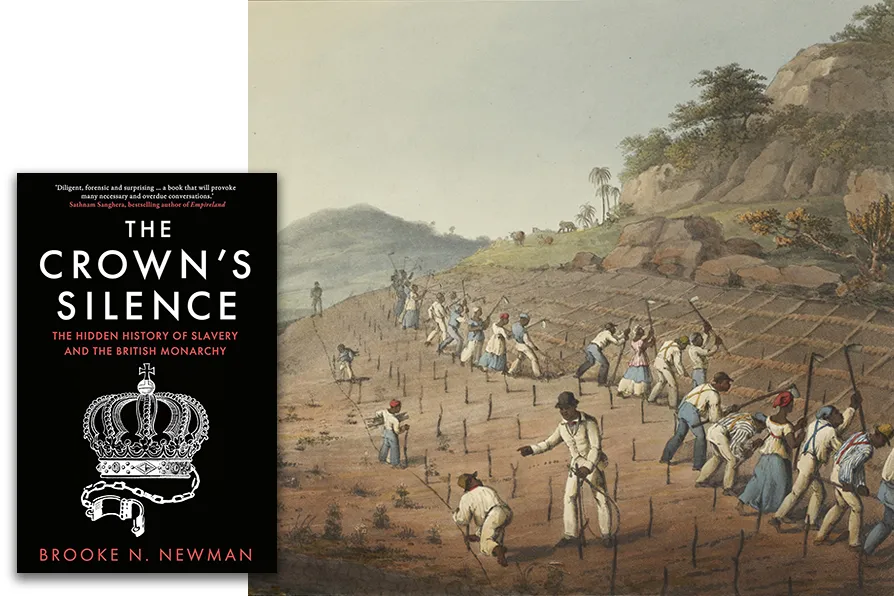
ELLIS RAE recommends a stunning history of the active role played by the British monarchy in establishing and profiting from slavery

Morning Star international editor ROGER McKENZIE says Trump’s ceaseless belligerence is a desperate effort to prevent the emergence of a multilateral world
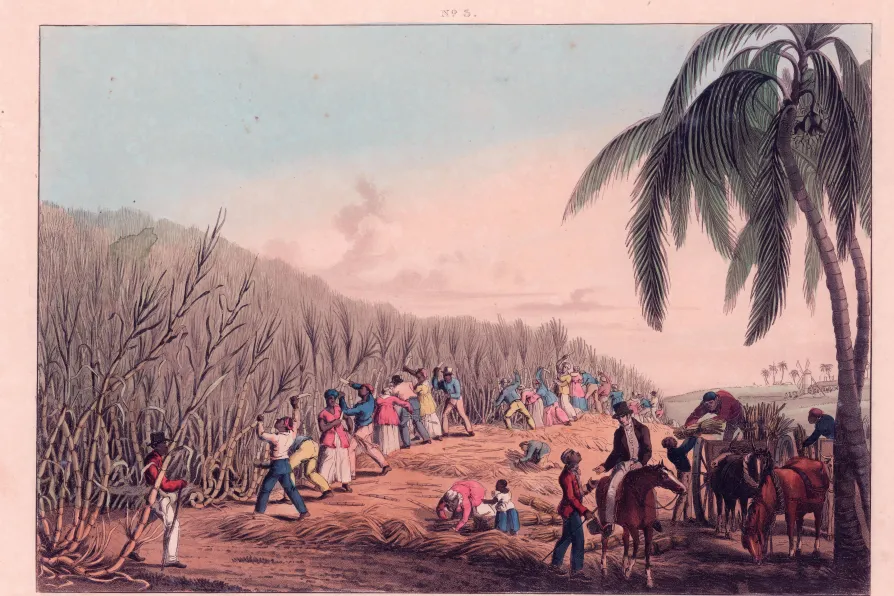
On the anniversary of the implementation of the 1833 Slavery Abolition Act, ROGER McKENZIE warns that the legacy of black enslavement still looms in the Caribbean and beyond