

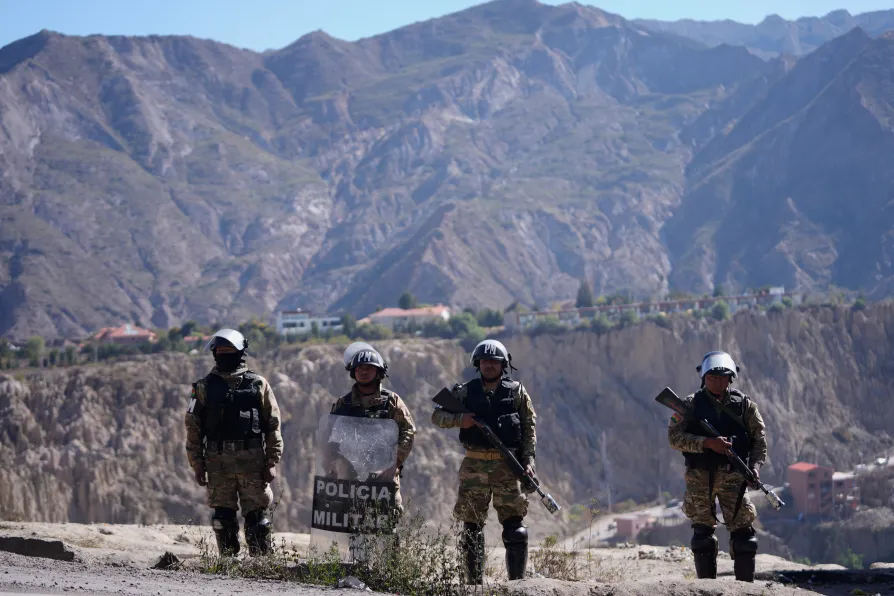
 Military police patrols after clearing a road blocked by protesters, in Carreras, Bolivia, June 5, 2026
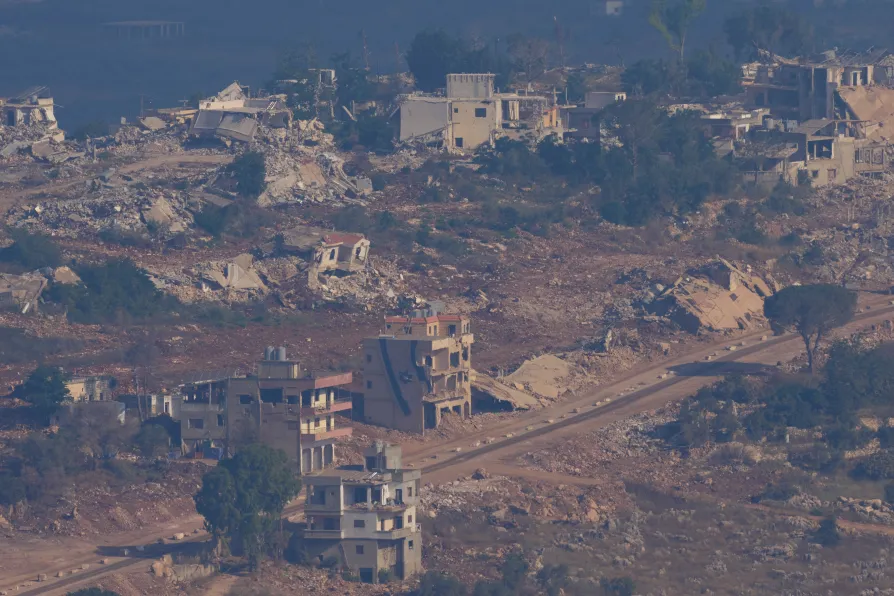


THE Bolivian legislature passed a law on Sunday to allow President Rodrigo Paz the authority to use troops against protesters.
Bolivia has been rocked by weeks of protests led by the Bolivian Workers’ Central (COB) peasant unions and miners, which has seen roads blockaded.
Markets have emptied in La Paz and other vital supplies depleted.
The protests come amid widespread unrest over soaring inflation, low wages and the move by President Paz to abolish fuel subsidies.
According to business organisations, ongoing protests and road blockades are draining more than $50 million (£37m) per day from Bolivia’s economy and have left roughly 5,000 vehicles stranded on the highways.
The military has so far only been used in support roles for anti-riot police during weeks of protests during which there have been calls for the US-backed right-wing president to resign.
The new law would allow soldiers to use force against protesters, and also grants them a “presumption of legality” in conflict situations. That means their actions will be deemed lawful unless proven otherwise.
It comes after Bolivia’s legislature voted last month to repeal a 2020 law that restricts the use of the military to crack down on protests.
