

 Latest editorial
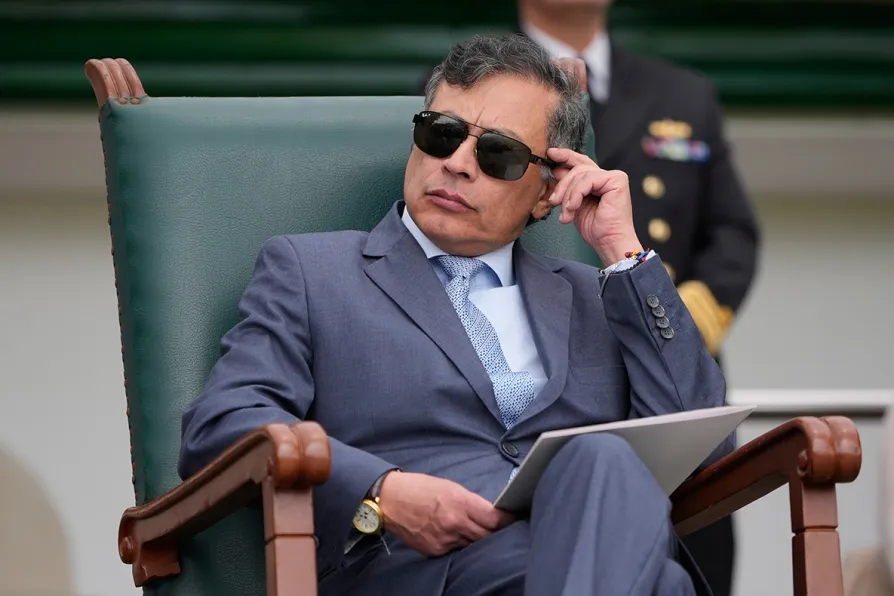 Colombia's President Gustavo Petro attends a military ceremony in Bogota, Colombia, June 5, 2026


A GROUP of 67 economists, scholars and public policy figures from around the world have signed an open letter in support of Colombia’s economic transformation under President Gustavo Petro.
The letter, published today and co-ordinated by the Progressive International and Centro de Pensamiento Vida, says Colombia has begun to chart a new economic path: raising incomes, reducing poverty, strengthening labour, pursuing democratic agrarian reform, recovering industrial policy and beginning a just energy transition.
Signatories include Thomas Piketty, Jayati Ghosh, Ha-Joon Chang, Yanis Varoufakis, James K Galbraith, Isabella Weber, Jason Hickel, Prabhat Patnaik, Philip Alston, Ann Pettifor and Fadhel Kaboub.
“Colombia has begun to show that another economic path is possible,” the letter argues. “That path should be defended, deepened and carried forward.”
The letter is published ahead of Colombia’s June 21 presidential run-off, with Ivan Cepeda, senator for President Petro’s Pacto Historico, facing far-right lawyer Abelardo de la Espriella.
Mr de la Espriella of the Defenders of the Homeland movement won 43.7 per cent of the votes, while Mr Cepeda reached 40.9 per cent in the first round.
The signatories point to falling poverty, lower unemployment, a rising share of national income going to labour, advances in agrarian reform, growth in non-extractive exports and the expansion of clean energy generation.
Poverty dropped from 36.6 per cent in 2022 to 31.8 per cent in 2024.
By March 2026, Colombia’s national unemployment rate fell to 8.8 per cent, down from 9.6 per cent a year earlier, the lowest in over 25 years.
But they reject the claim that pressures such as debt and weak private investment require a return to austerity, wage suppression, indiscriminate liberalisation or deeper extractive dependence.
The letter argues that Colombia’s democratic debate has international significance, especially for countries of the global South seeking a development strategy that combines redistribution, productive transformation, territorial peace, economic democracy and climate justice.

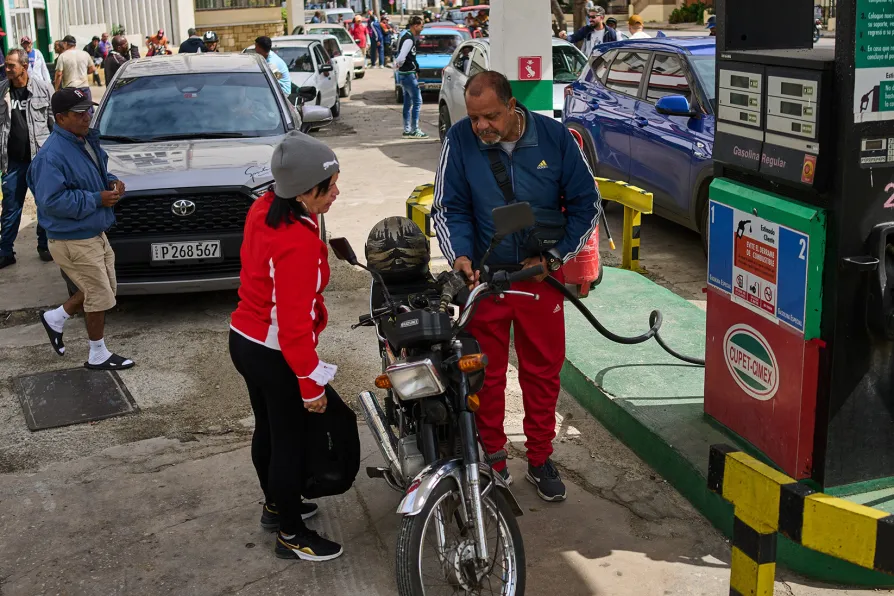
On January 29, US President Donald Trump declared Cuba an ‘unusual and extraordinary threat’ to US national security and tightened the blockade against the island nation MANOLO DE LOS SANTOS reports
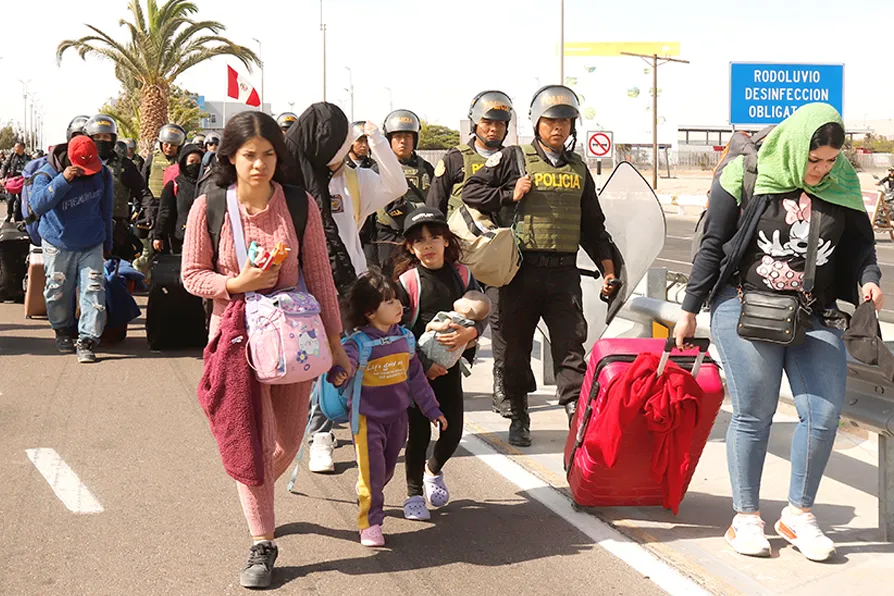
Far-right forces are rising across Latin America and the Caribbean, armed with a common agenda of anti-communism, the culture war, and neoliberal economics, writes VIJAY PRASHAD
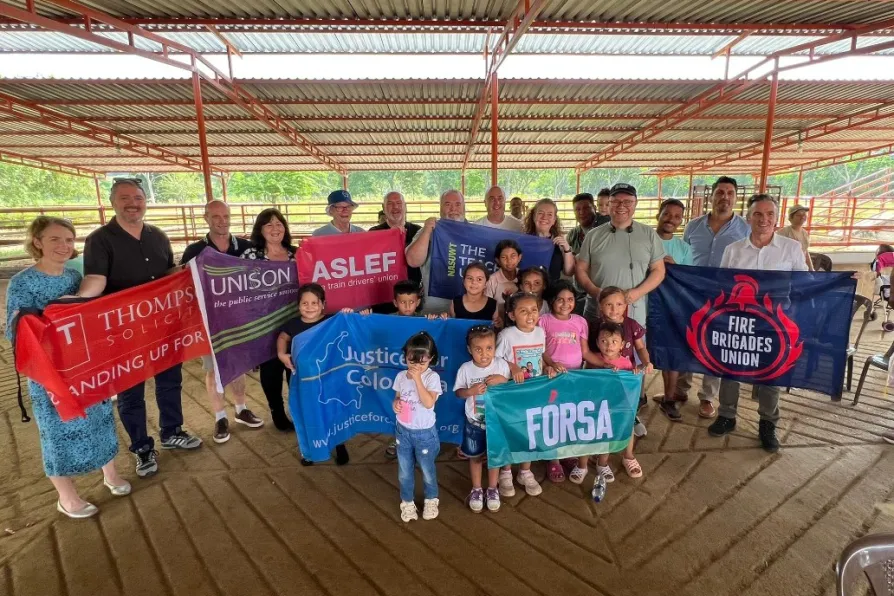
With Petro, Colombia has been making huge strides towards peace — but is all that at risk with the elections next year? MARK ROWE reports back after joining a delegation to the Latin American country
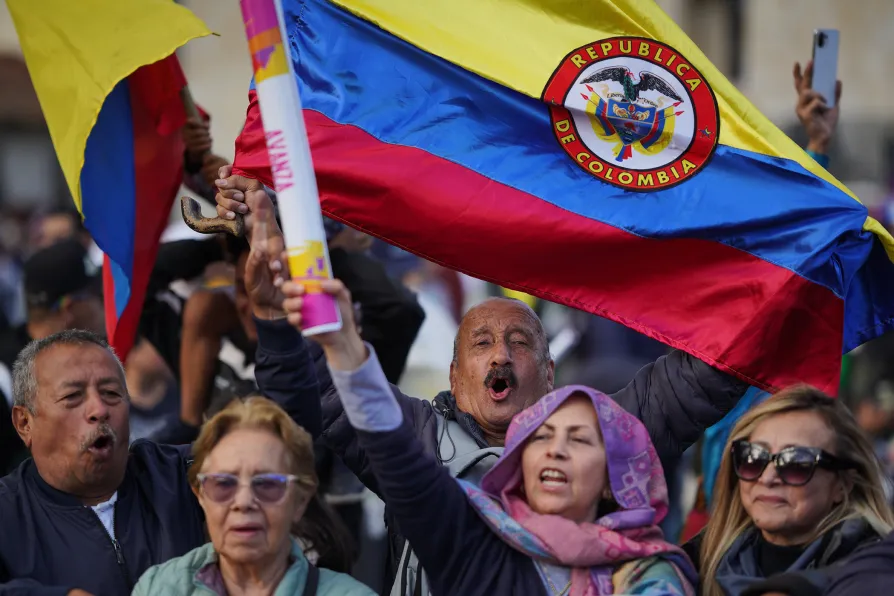
Colombia’s success in controlling the drug trade should be recognised and its sovereignty respected, argues Dr GLORY SAAVEDRA