Andy Burnham’s message of hope will defeat Reform if Labour delivers the New Deal for Working People in full, says JOANNE THOMAS


 Latest editorial
Iran needs solidarity, not sanctions
The ceasefire may have halted the fighting for now, but years of economic warfare and recent military attacks have left millions of Iranians facing hardship and uncertainty, says Codir’s RUBEN BRETT
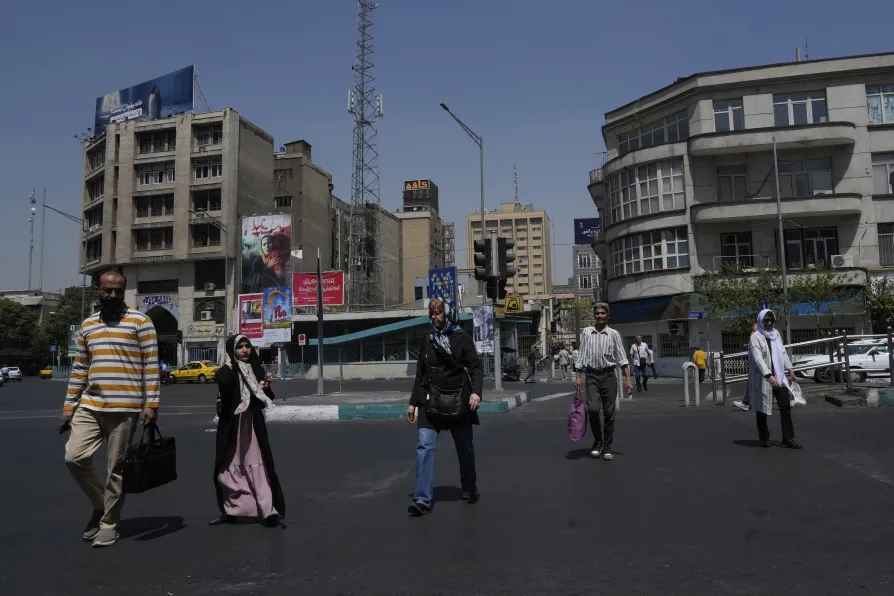
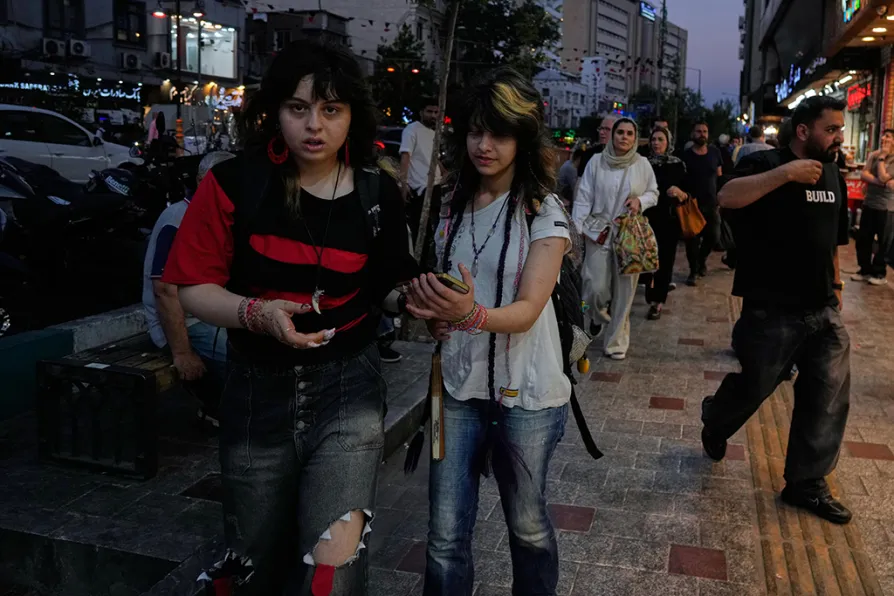 Girls walking in Tajrish Square, Tehran, earlier this week
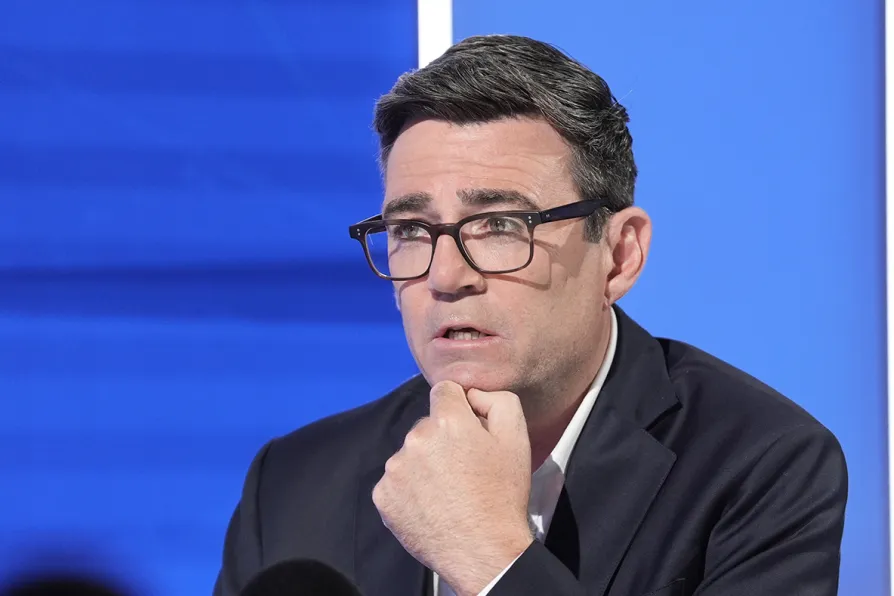
The government’s latest asylum proposals abandon labour movement values and fuel division by aping Reform UK, writes DIANE ABBOTT MP
IAN LAVERY MP warns that decades of neoliberal policies have left former industrial communities behind — but a renewed Labour commitment to working people could change the political landscape
We need a government that invests in saving lives not destroying them, argues SOPHIE BOLT
HENRY FOWLER outlines the GFTU’s new 2026-27 education programme and argues that investing in trade union education is essential to building worker power, developing leaders and strengthening collective action
PAOLO SANTALUCIA reports on how an Italian region defies US pressure to end a Cuban doctors programme


SUNDAY’S announcement of a new 60-day ceasefire agreement, digitally signed by the US president and vice-president and the speaker of Iran’s legislature, was a critical moment bringing welcome relief for the people of Iran.
For months, their lives have been dictated by the constant suffocating threat that full-scale war could resume at any moment as well as the trauma of direct bombardment.
The future remains uncertain. Yet refusing to allow a social breakdown during the US-Israeli attacks, ordinary Iranians have supported one another, maintained public life and defeated the imperialist plot to impose a puppet state through regime change in the early stages of the war.
The public services on which Iran’s people depend have borne the brunt of war on top of the long-term effects of the Iranian dictatorship’s neoliberal policies.
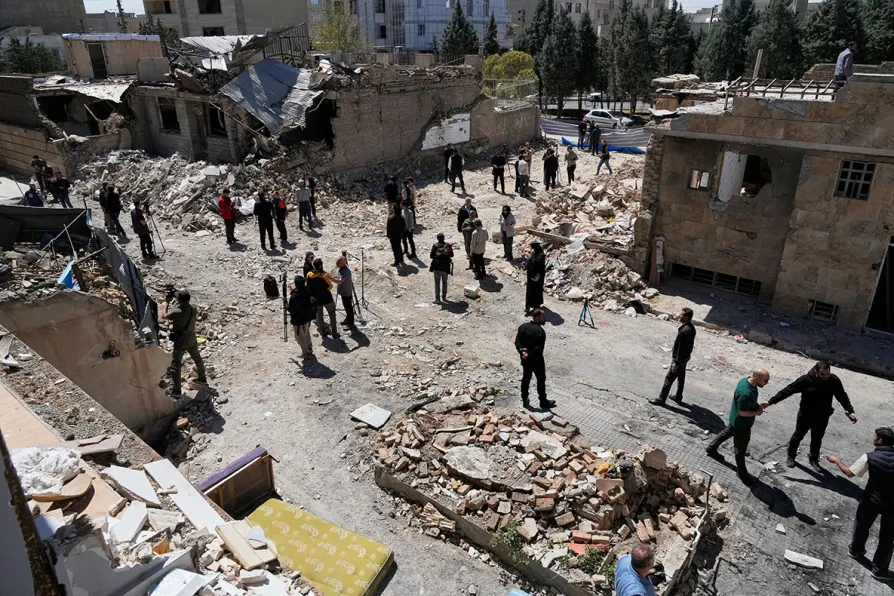
Since February, 31 universities across Iran, including Sharif University, Isfahan Technology University and other internationally prestigious research universities, have been hit by US-Israeli attacks. Iranian students and university workers have had their lives and careers thrown further into turmoil by the actions of the aggressors, following years of increasing hardship and the repression of protests at the start of the year which hit students particularly hard. US-Israeli targeting of schools, hospitals and public infrastructure is well-known.
In the last week, exchanges of strikes across multiple fronts shattered the relative calm which had reigned since mid-April, raising fears of a devastating regional escalation.
Just before the new deal was announced, US strikes destroyed two drinking water reservoirs in Sirik county of Hormozgan province, depriving 20,000 residents of water supply. Experts say the destruction of civilian water supplies constitutes a war crime.
Israeli forces claimed their bombings of vital infrastructure including the Karoon Petrochemical Complex in Iran’s south-west had eliminated Islamic Revolutionary Guard Corps missile launchers, securing US-Israeli air supremacy.
However, this followed heavy bombing of the Mobarakeh Steel Complex in Isfahan, the Middle East’s largest steel producer and Iran’s single largest industrial unit, in late March. In both cases targeted strikes have crippled key supply chains comprising innumerable domestic firms and many thousands of workers — beyond the 29,000 employed at Mobarakeh and 12,000 at Karoon. Already in early April, sources suggested an additional two million workers had been made unemployed by the war.
Anything that averts a return to war is a welcome development, but along with most civil society currents inside Iran we remain wary of the brinkmanship and triumphalism of both the Trump administration and Iran’s theocratic rulers.
Having threatened last Thursday afternoon to hit Iran “very hard” and seize Kharg Island to control the country’s ability to export oil, within hours Trump announced that he had abandoned these plans and that a deal was near.
The announced deal includes lifting of the US naval blockade on Iran and reopening of the Strait of Hormuz, initiating 60 days of intensive technical talks. A formal signing ceremony is expected to take place tomorrow in Switzerland.
Complete withdrawal of US warships from the Gulf and removal of all economic and banking sanctions on Iran will be crucial demands for the peace movement and preconditions for the Iranian people’s recovery from a brutal war.
The new agreement follows sustained efforts by regional mediators including Egypt, Saudi Arabia, Turkey, Pakistan and Qatar to put pressure on the Trump administration, while Iranian Foreign Minister Abbas Araghchi and his deputy Esmail Baghaei had both warned that continued violations of Iran’s sovereignty would force Tehran to review its stance on negotiations.
Long before this war began, ordinary Iranians were suffering severe economic strain which precipitated mass protests and unrest across the country in December 2025. The war, including the latest heavy bombing and infrastructure sabotage, has made the situation hugely worse and pushed Iranians to breaking point.
While the Iranian people are worst affected, US-Israeli aggression has hit workers globally with the ramifications of rising fuel prices, compounding existing crisis.
The struggle of left and progressive forces in Iran for freedom and social justice, against the ruling theocratic dictatorship, has suffered a major setback as a direct result of the war. The dictatorship has tightened its grip, its apparatus of domestic repression remaining intact while gaining a veneer of legitimacy under war conditions.
Today, the Iranian people and progressive movements urgently need our solidarity to resist both internal dictatorship and foreign aggression in their ongoing fight for peace, democracy and social justice.
Motion 71 on the agenda at Unison’s national delegate conference today concerns the defence of international law, consistently violated by Israel and the United States. An emergency motion has also been submitted by the national executive council condemning imperialist aggression. Unison’s stance against war, in solidarity with the Iranian people’s struggles for peace, sovereignty and democratic rights, has been consistent and must be maintained.
As Britain’s largest union, representing 1.4 million public service workers, Unison has an especially important role to play in solidarity with Iranian workers.
Codir is the Committee for Defence of the Iranian People’s Rights. Find out more here.

Similar stories
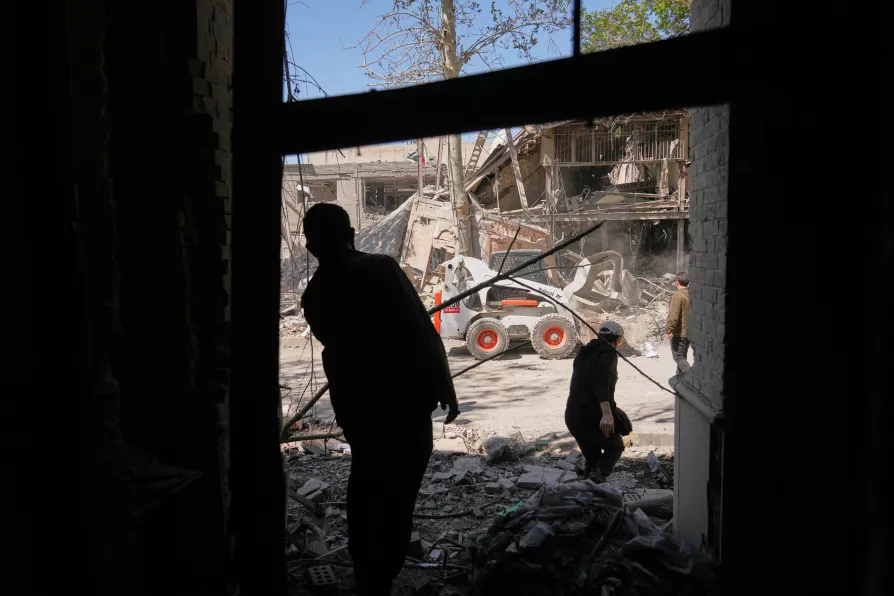
The Committee for the Defence of the Iranian People’s Rights (Codir) cautiously welcomes the ceasefire, but remains suspicious of US and Israeli intentions
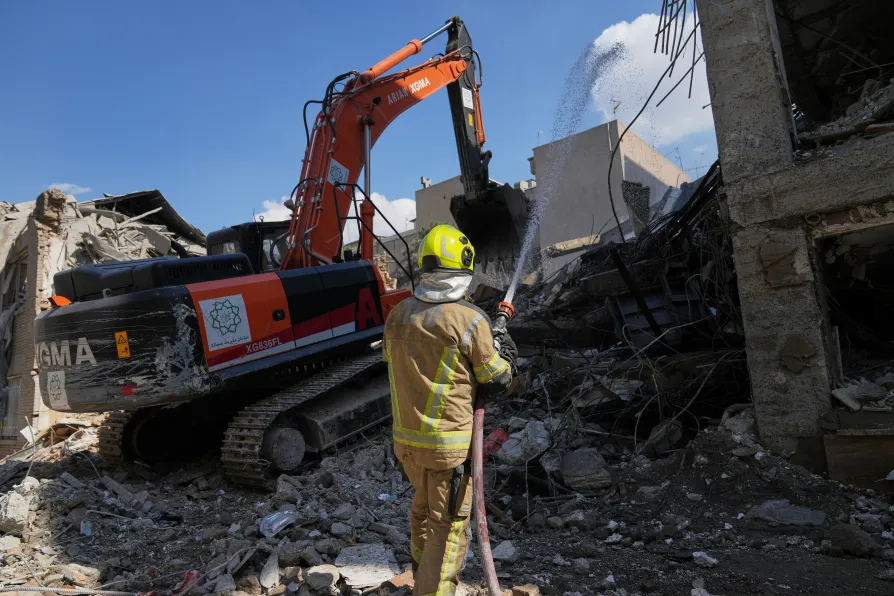
With attacks on industry, healthcare and education intensifying, JAMSHID AHMADI warns of a deliberate drive to cripple Iran and calls for urgent global action
A packed fringe meeting at the National Education Union conference heard from Iranian teachers, campaigners and journalists
Payam Solhtalab talks to GAWAIN LITTLE, general secretary of Codir, about the connection between the struggle for peace, against banking and economic sanctions, and the threat of a further military attack by the US/Israel axis on Iran