

 Latest editorial
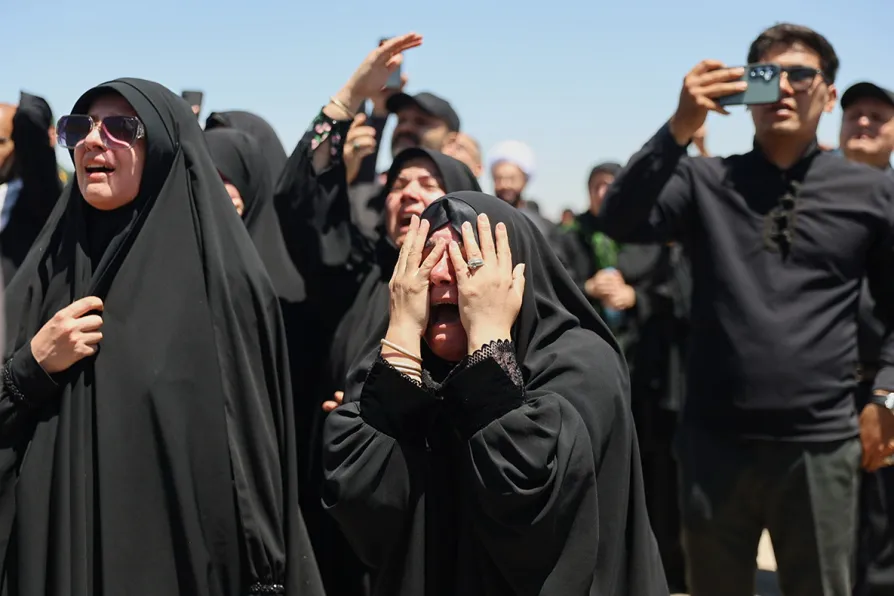 Women react as the coffin of the late Iranian Supreme Leader Ayatollah Ali Khamenei arrives at Hasheminejad International Airport from Iraq for the final stage of his dayslong funeral ceremonies in Mashhad, northeastern Iran, July 9, 2026
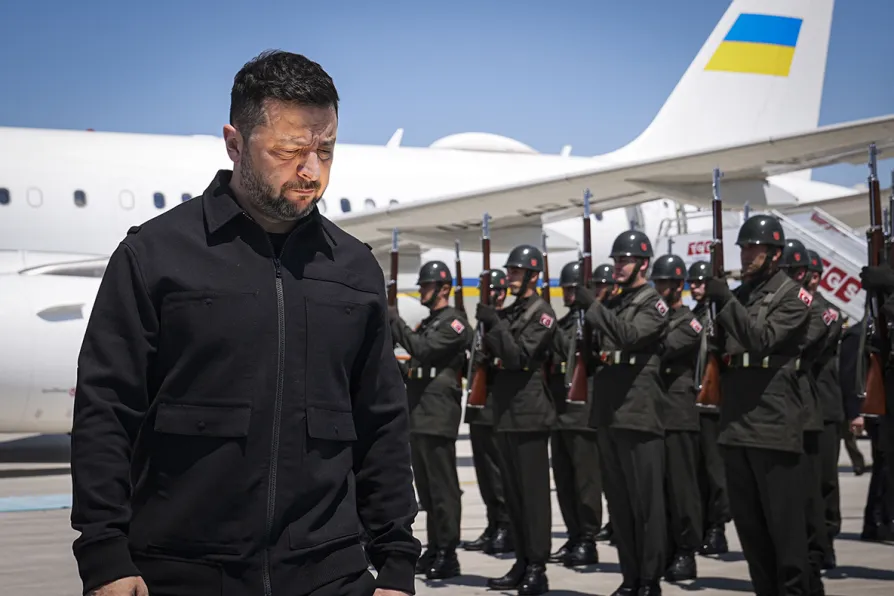


THE US launched new air strikes against Iran early this morning, and Tehran responded by targeting US-allied countries in the Middle East, leaving the interim peace deal between the two countries seemingly in tatters.
Back-and-forth attacks have repeatedly threatened the fragile ceasefire. But today’s appeared bigger all around, with sirens sounding at least three times in Bahrain, home to the US Navy’s Fifth Fleet headquarters, and missiles targeting Kuwait and Qatar.
Sirens sounded this afternoon in Jordan as well, where the US has stationed troops and aircraft.
An Iranian official accused the US of targeting the area around Iran’s sole nuclear power plant, and other explosions were reported elsewhere in the country during the afternoon.
Iran’s Fars news agency reported today that one of the US’s targets was the Ogtay Khan rail bridge in northern Golestan province, a strategically important railway bridge that links the country with China and Russia.
The strikes came hours after US President Donald Trump said recent Iranian attacks on ships in the Strait of Hormuz signalled the end of a fragile ceasefire and threatened to escalate the conflict if they didn’t stop.
In Iran, the two days of US air strikes have killed at least 14 people and wounded another 78, Iran’s Health Ministry said today.
In Kuwait, the military said falling debris wounded one person as the nation shot down three ballistic missiles, a cruise missile and 10 drones.
Bahrain said it shot down incoming fire, without elaborating and Jordanian government spokesman Mohammad al-Momani said all incoming fire from Iran had been intercepted.
Iranian state TV said the country’s paramilitary Revolutionary Guard also fired missiles at a US base in Jordan.
There was no immediate word of damage in Qatar.
The US military’s Central Command said it hit 90 targets across Iran, releasing black-and-white footage of what appeared to be strikes on an airport runway and missile launchers.
The US said the strikes were intended to “further degrade” Iran’s ability “to threaten freedom of navigation” in the strait, through which a fifth of the world’s traded fossil fuels passed before the US and Israel launched their unprovoked attack on Iran on February 28.

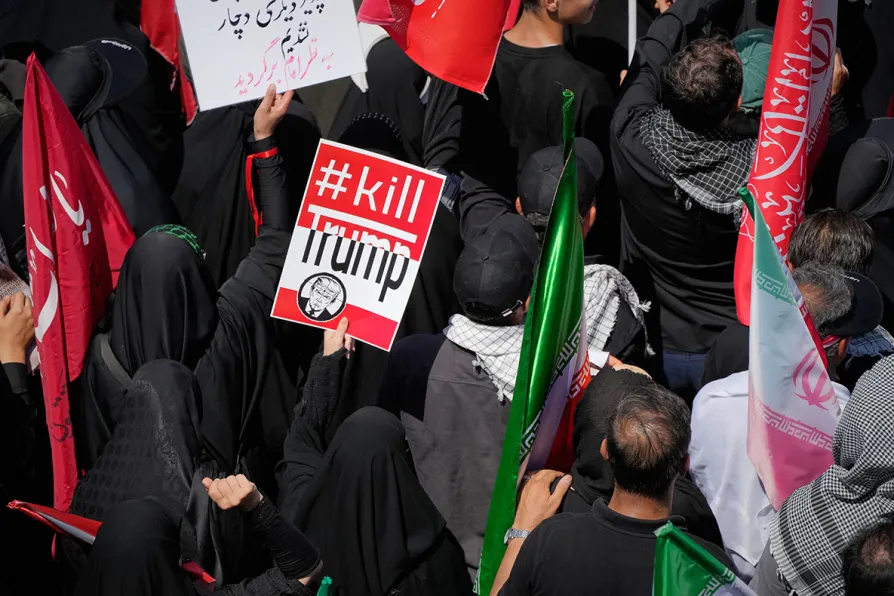
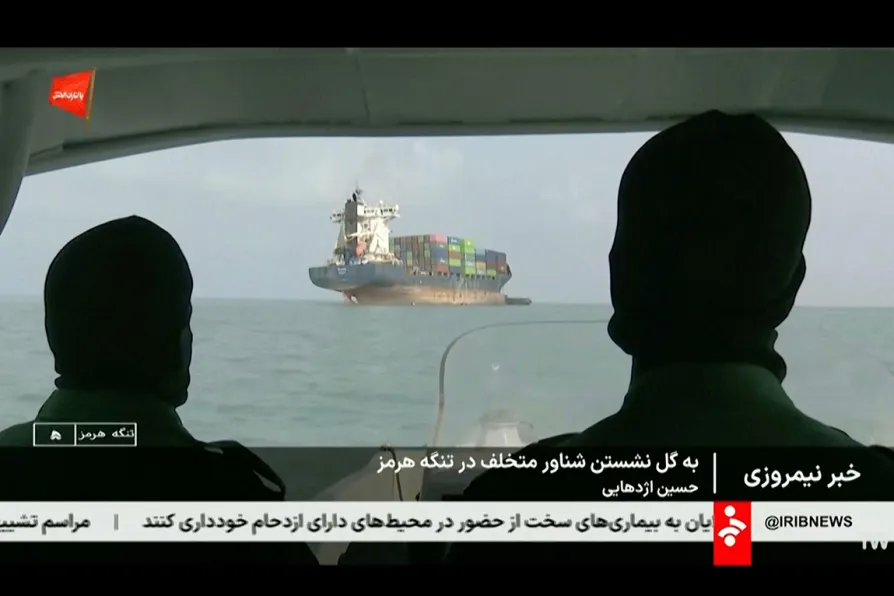

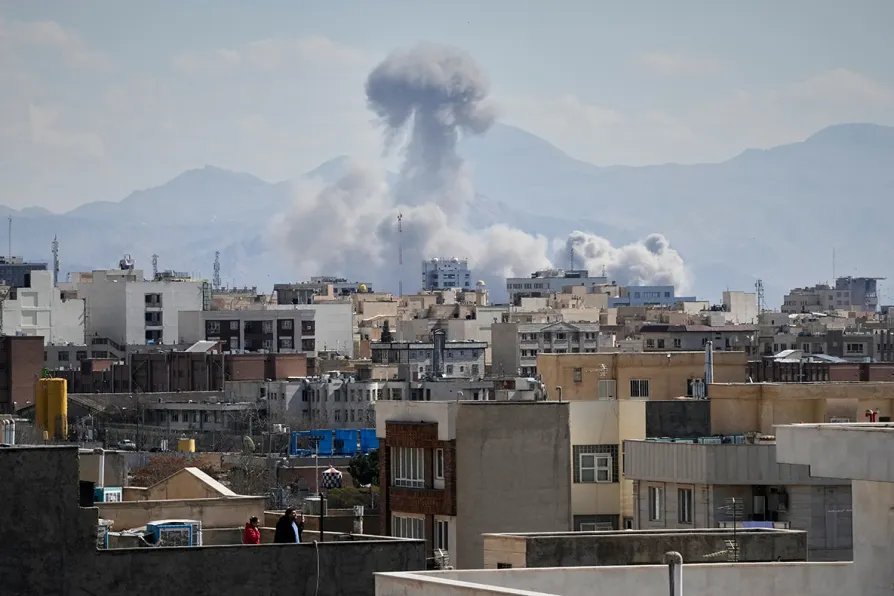
Tehran retaliates with attacks on Israel, the Gulf Arab states and crude oil flows