IAN LAVERY MP warns that decades of neoliberal policies have left former industrial communities behind — but a renewed Labour commitment to working people could change the political landscape


Trade union education is revolutionary
HENRY FOWLER outlines the GFTU’s new 2026-27 education programme and argues that investing in trade union education is essential to building worker power, developing leaders and strengthening collective action
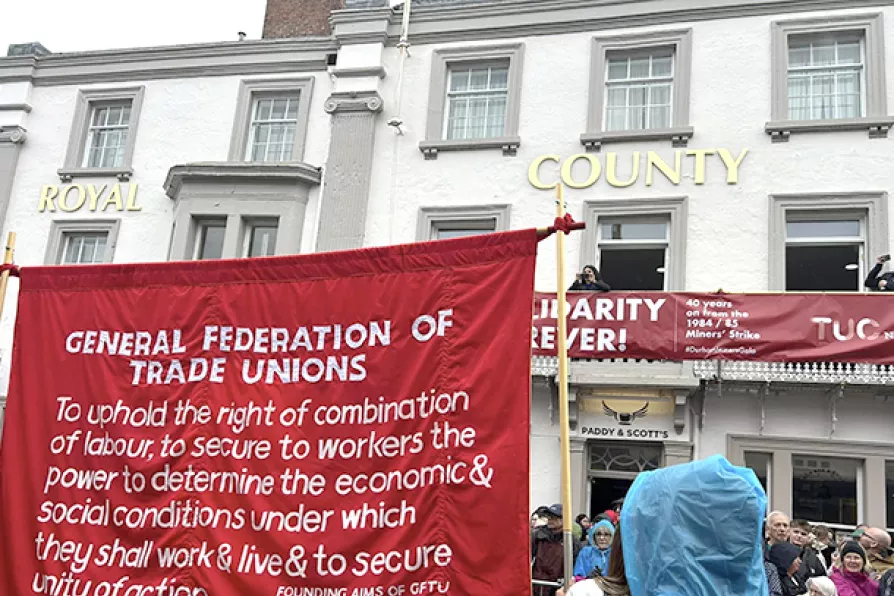
 The back of the GFTU banner shown to the crowds at the 2024 Durham Miners’ Gala
[GFTU]
The back of the GFTU banner shown to the crowds at the 2024 Durham Miners’ Gala
[GFTU]
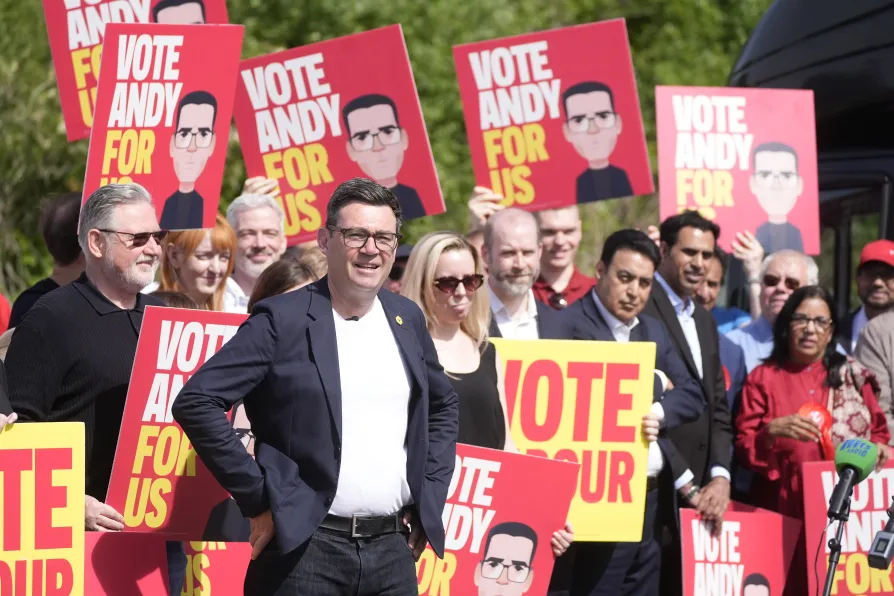
PAOLO SANTALUCIA reports on how an Italian region defies US pressure to end a Cuban doctors programme
We need a government that invests in saving lives not destroying them, argues SOPHIE BOLT
More expensive by weight than gold, saffron is surprisingly simple to grow. MAT COWARD explains
The public inquiry is the result of more than a decade of determined campaigning. Now, those who fought for justice want the full story of government involvement and police conduct to be told, says KATE FLANNERY
The Durham Miners’ Gala is a celebration of working-class culture, but also a call to action — to rebuild workers’ collective strength, says KIM JOHNSON MP


TODAY, the GFTU and its educational trust launches its 2026-27 education programme. This year’s programme is headlined by Angela Davis. A rare chance for our movement to be in active conversation with a true legend.
Davis joins a growing list of influential changemakers to be a part of our programme, something we are proud of. We have developed a carefully curated 90-plus courses, inherently political, ranging from bargaining around neurodiversity to advanced political economy, delivered both online and through our incredible residential education centre at the Workers’ Retreat (Quorn Grange Hotel, Loughborough).
However, this is not about one speaker in one programme.
Over the past three years, the General Federation of Trade Unions (GFTU) and its Educational Trust (GFTUET) have undergone a major transformation in both the breadth and depth of the educational and training opportunities we provide to the movement. This work matters because strong trade unions are built on confident, skilled and connected activists.
In 2023-24, we delivered 34 courses. By 2025-26, we will deliver more than 90 a year, a 164 per cent increase. This represents a complete redevelopment of our educational programme for affiliated unions and the wider movement.
But this transformation has not simply been about delivering more courses or recruiting more representatives into programmes. One of the most important strategic decisions we made was to ensure that all courses are free for members of affiliated organisations. In doing so, we have reaffirmed education as a core principle of our federation and a central part of building a stronger trade union movement.
Registrations have risen dramatically, but most importantly so has the number of people taking part in our courses across our programme, now at over 5,000. From our Strategy Series webinars featuring internationally respected speakers like Marshall Ganz, Hahrie Han, Bill Fletcher Jnr, to our residential negotiation courses, we have worked closely with sister unions to develop an education programme fit for the challenges of the 21st century. This means developing new courses that meet the requests of affiliates.
Our bargaining and organising for neurodiversity parts 1&2 are great example of us meeting affiliates needs alongside bargaining, organising and campaigning around AI and data, providing knowledge, confidence and also the history of struggle of workers to control technology, rather than it happening to us.
We believe the renewal of the trade union movement — and our ability to rebuild power from a slightly increased, but still historically low levels, of 22.4 per cent of workers in a union (2025) — must be grounded in education.
If we are to improve workers’ lives, win campaigns through assertive trade unionism at the workplace, secure both small and major victories, and demonstrate the continued relevance and transformative power of trade unions, we must invest in worker-led, group-based learning that reconnects activists with one another and strengthens collective power.
The strike wave of 2022-23 was an opportunity to capitalise on renewing our movement. Inspiring a new generation of representatives, branch officers and activists emerge to lead some of the largest industrial disputes in decades.
After these strikes were over many of these activists were looking for what next. A clear journey of how they can develop further, this across most of the movement was largely lacking.
Therefore, the challenge for our movement after that wave of action was clear: how do we deepen the involvement of these new activists and embed them within our structures for the long term?
We fundamentally believe education is a key part of the answer.
That is why we have developed a clear educational pathway to support activists throughout their trade union journey. This pathway includes Stage 1 introductory courses, Stage 2 development programmes, and a growing Stage 3 offer, culminating in Stage 4, our specialist Trade Union Leadership and Innovation Programme (TULIP) for senior leaders and our university-accredited empowering workers: certificate in labour law and labour movements those preparing to move into senior positions.
Since the pandemic, much of trade union education has shifted towards online-only learning, often through self-guided courses or virtual sessions with tutors and group discussions. These approaches provide limited support, they cannot fully replicate the deeper learning and solidarity that residential education provides.
Our recent education survey, to be published in full next year, shows that workers want more than just online education on how to manage basic HR processes. They want in person, meaningful connection with each other, rebuilding networks of solidarity — a place to build alternatives to capitalism — things largely destroyed by neoliberalism’s assault on our movement.
This is what makes trade union education revolutionary and revitalising.
These residential courses create the space to step away from the pressures of work, reflect, exchange ideas and think collectively about how to strengthen workplace organisation and branch activity. Learning alongside others over several days builds stronger relationships, deeper understanding and greater confidence.
It is not just providing residential education, but it is what we are delivering, our curriculum.
We offer something increasingly rare: genuinely independent trade union education. Because we are not government funded, we are not constrained by external curriculum controls or restrictions over who can participate. This independence allows us to provide education shaped entirely around the needs of the movement and workers themselves — tackling difficult issues and topic content, like our very popular new rebuilding solidarity, developing anti-racist strategies grounded in community organising; and critical, radical and alternative political economy for the movement.
Our independence should not be taken for granted. It is sustained through affiliations, the growing support of union branches, regions from non-affiliated GFTU unions and trades councils, joining our education fund, alongside individuals contributing monthly as Friends of the Educational Trust.
Their support helps ensure that the GFTU can remain the home of independent trade union education for generations to come.
Despite the positive outlook for the GFTU and GFTU Educational Trust, we need to be honest about the state of trade union education across our movement. Traditional trade union education, delivered through our sister further education colleges, is facing collapse. At a time when trade union education is more important than ever, the severe funding cuts threatening provision represent a profound crisis. For many providers, they mark the end of the road.
We should oppose the loss of this vital provision and stand in solidarity with the highly skilled, strongly unionised workforce that delivers it. We must also urgently begin a wider conversation about the future of transformative trade union education.
As a movement, we need to rethink how we invest in, protect, and expand education that equips workers to organise, lead, and win.
The GFTU and GFTU Educational Trust want to be an active part of that conversation.
Our offer for 2026-27 is revolutionary and we believe the strength of our movement depends on it. Apply here: gftuet.org/education.
Henry Fowler is the assistant general secretary of the General Federation of Trade Unions (GFTU) and its Educational Trust (GFTUET). He is responsible for managing the education department, developing the education programme and providing bespoke educational support to the whole movement.

Similar stories
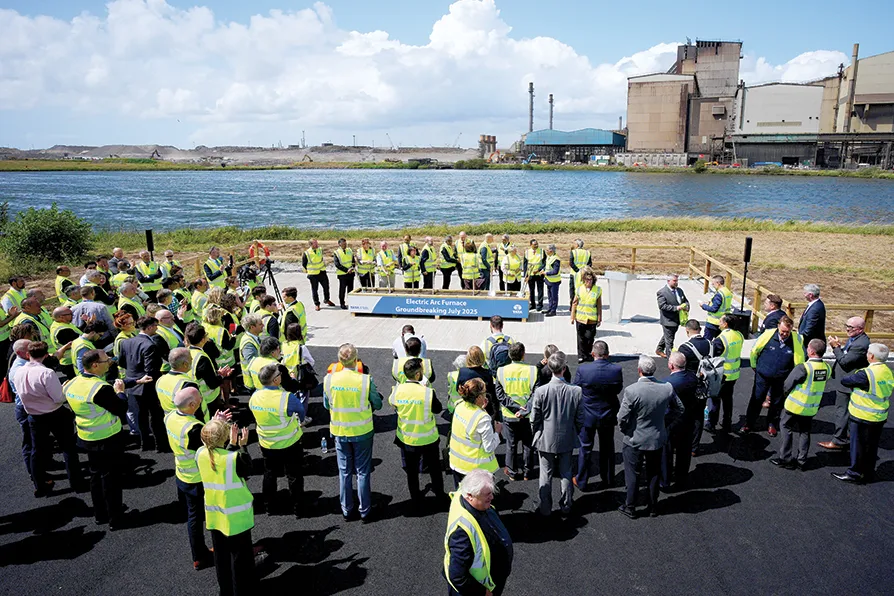
LUKE FLETCHER outlines Plaid Cymru bold plans for wide-ranging policy consultations with trade unions in Wales
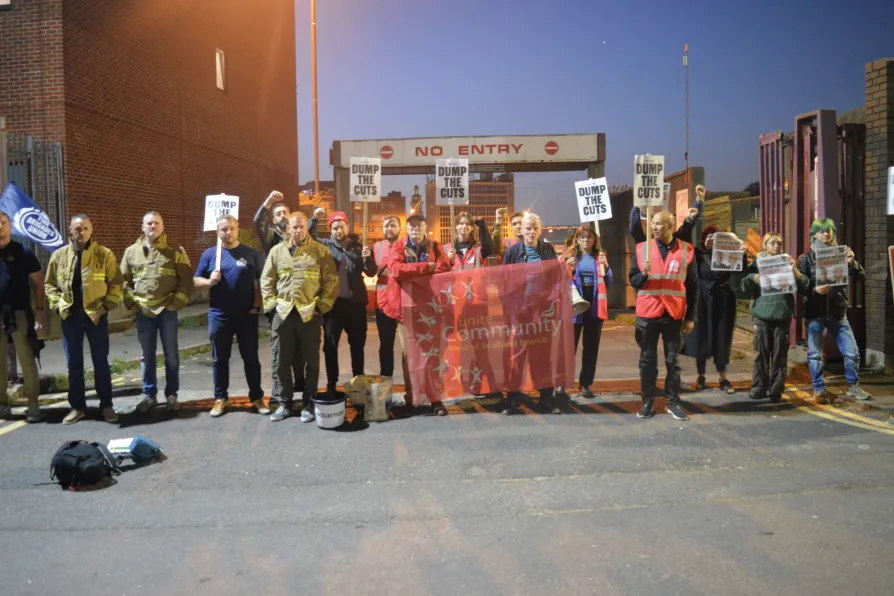
Since 2023, Strike Map has evolved from digital mapping at a national level to organising ‘mega pickets’ — we believe that mass solidarity with localised disputes prepares the ground for future national action, writes HENRY FOWLER

From hunting rare pamphlets at book sales to online panels and courses on trade unionism and class politics, the MML continues connecting archive treasures with the movements fighting for a better world, writes director MEIRIAN JUMP
LAURA PIDCOCK and PAUL O’CONNELL introduces Rise, a political platform for working-class activism