

 Latest editorial
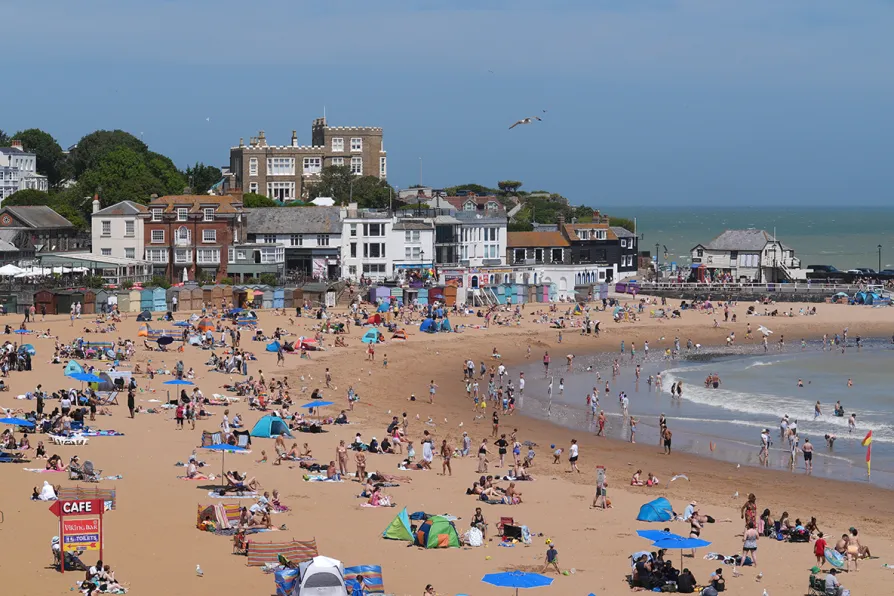 Sunbathers at Viking Bay, Broadstairs, Kent, July 12, 2026


MORE than 2,700 people died in England and Wales during the May and June heatwaves, new research found, as campaigners and politicians decried an “urgent public health crisis.”
Official data published today reveals the high number of excess deaths recorded during extreme heat events this year was in large part due to climate change, which added between 3-4°C.
Researchers from the Met Office, Imperial College London and the London School of Hygiene & Tropical Medicine found that about 550 people died in the May heatwave, with 59 per cent attributed to human-made climate change.
A further 2,200 died in June, with 42 per cent of those directly related to the climate crisis.
The report also noted a similar death rate in the Midlands as in southern England, which faced the highest temperatures, indicating that regions less frequently exposed to extreme heat could be more vulnerable to its impacts, researchers said.
Green Party leader Zack Polanski slammed the government for its “absolute silence,” adding: “With thousands of people dying from extreme heat in just a few weeks, this is an urgent public health crisis — and it’s time the government started treating it as such.
“These deaths are on the hands of politicians who have failed to act over the years.
“All those who put profit over the safety of the public by refusing to take real action to prevent the climate crisis — and are now failing to protect us from its impact [are to blame].”
Mr Polanski called for the implementation of maximum workplace temperatures, insulation programmes to cool homes and cooling measures for places with people at risk such as schools, hospitals and care homes.
End Fuel Poverty Coalition Simon Francis called the findings “a tragic indictment of an energy system” putting the “country’s poorest and most vulnerable people in harm’s way.”
“Households with poor ventilation or no ability to implement passive cooling measures are at significantly greater risk — a risk which is also heightened for people who are simply unable to afford to run fans and air conditioners to keep their homes cool.
“It is a disgrace that not only are the fossil fuel giants contributing to the climate crisis but they are also profiting from the increased energy prices that households have to pay to keep our homes cool in the summer.”

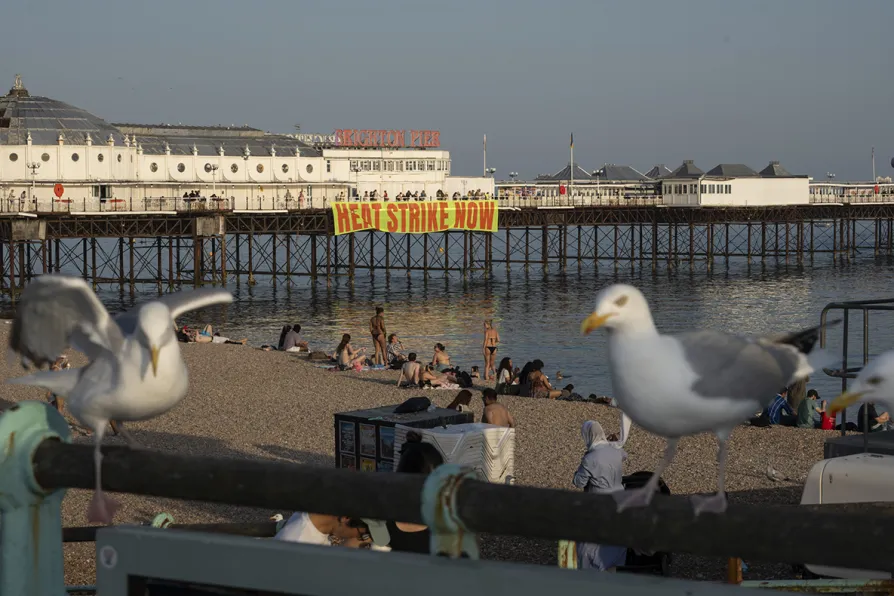
Unions and climate activists pressure government to consider legislation for maximum working temperature

The recent heatwaves revealed how ill-prepared Britain remains for a hotter future – and how unequal the ability to cope with it has become, write ROX MIDDLETON, LIAM SHAW and MIRIAM GAUNTLETT

Extreme heat is now one of the defining public health challenges of a warming world, explains Prof IAN WILLIAMS
