

 Latest editorial
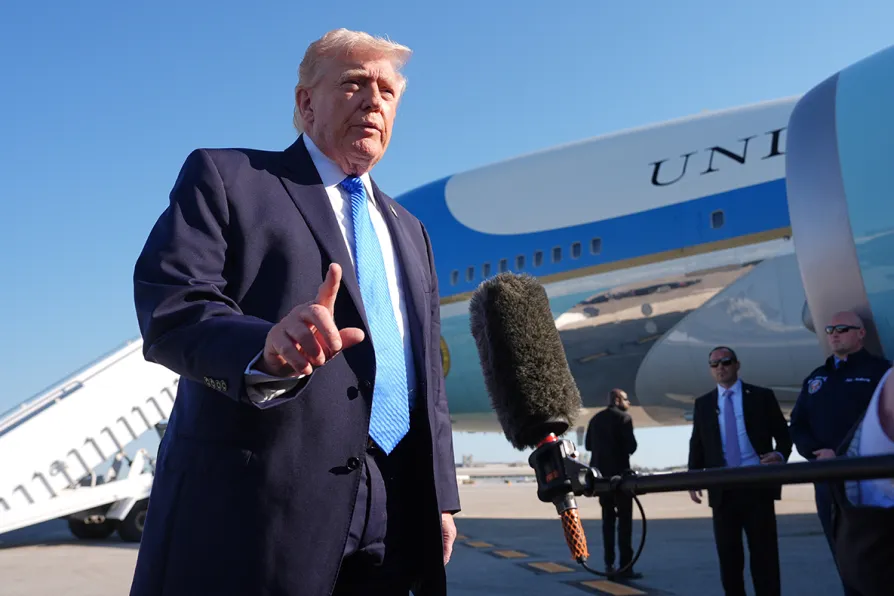
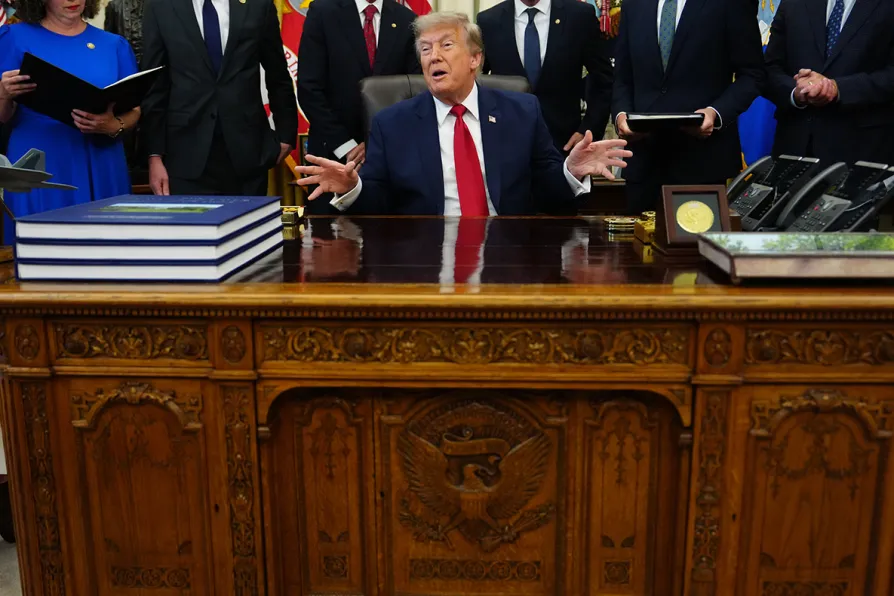 US President Donald Trump speaks after signing an executive order in the Oval Office of the White House in Washington, July 13, 2026


ONE man alone is responsible for the resumption of hostilities in the Persian Gulf — Donald Trump.
The apparent breakdown of the ceasefire between the US and Iran is a consequence of the US president’s unwillingness to face up to the disaster of his strategy in the region.
The illegal assault on Iran he embarked on with Israel has failed to meet any of its objectives — the government in Tehran has not fallen, and discussions about the future of its nuclear programme remain where they were.
The resistance movements across the wider Middle East which enjoy Iranian support as well as strong indigenous roots are still standing.
Of course, those movements have sustained blows, just as Iran’s military-industrial capacity has suffered, along with thousands of civilians. But the US and Israel are now in a worse place than they were before they embarked on war.
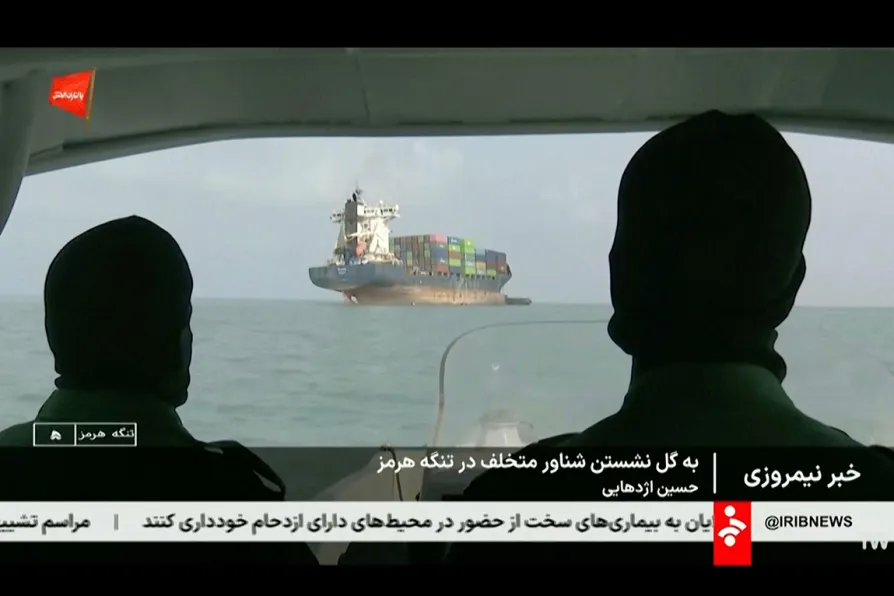
Traffic through the Strait of Hormuz flowed unimpeded before the war. Now Iran is able to exercise an effective veto on traffic.
Trump has denounced its plan to charge a toll on vessels transiting through its waters. Yet this week he has absurdly announced that the US plans to do the very same thing, although it has absolutely no sovereign right to do so.
This back-and-forth is damaging the world economy still further, sending oil prices rising.
Iran’s scepticism over negotiations with the US is understandable. Twice in the last two years they were locked in talks, including with mediators, when Trump and Netanyahu unilaterally aborted them in favour of armed aggression.
Moreover, while Iran sends experienced and skilled negotiators to the talks, at some personal risk to their safety given Israel’s addiction to assassination, the US is represented by a pair of clowns — Trump’s son-in-law Jared Kushner and real estate partner Steve Witkoff.
They are, to put it mildly, well out of their depth and their presence would be suitable for comedy were the issues at stake not so serious.
But the larger problem by far is Trump. He continues to pursue a global policy of intimidation, illegality and ultimately war in the interests of strengthening the relative position of US imperialism.
His recent visit to the Nato summit was marked by threats to Greenland and Spain and chauvinistic bluster addressed to everyone else.
In the Middle East he has sought to seize control of Gaza, via a preposterous “board of peace” serving his business interests while empowering Israel’s campaign of regional aggression.
However, he has hit the buffers with his war against Iran. So he is reduced to trying the same combination of bombing and overblown threats which failed earlier this year in the hope of achieving different results.
In fact, the path to peace must start, as Iran has demanded, with the pulling back of US forces in the area and the lifting of economic sanctions, which are not only cruel and illegal but ineffective as well.
Trump’s policy is that of the declining hegemon. The US is thrashing around in a frenzy of destruction as the world order starts to slip beyond its control.
Andy Burnham will have to be far more determined in recognising the consequences of this than Keir Starmer has been. Trump’s inability and unwillingness to bring an end to the conflict in the Gulf is the clearest indication that the British government should keep a distance from Washington.
So far the indications in that respect are not promising. So mass pressure must be maintained both to end the war in the Gulf immediately and for the British government to break with both the US and its Israeli satrap.

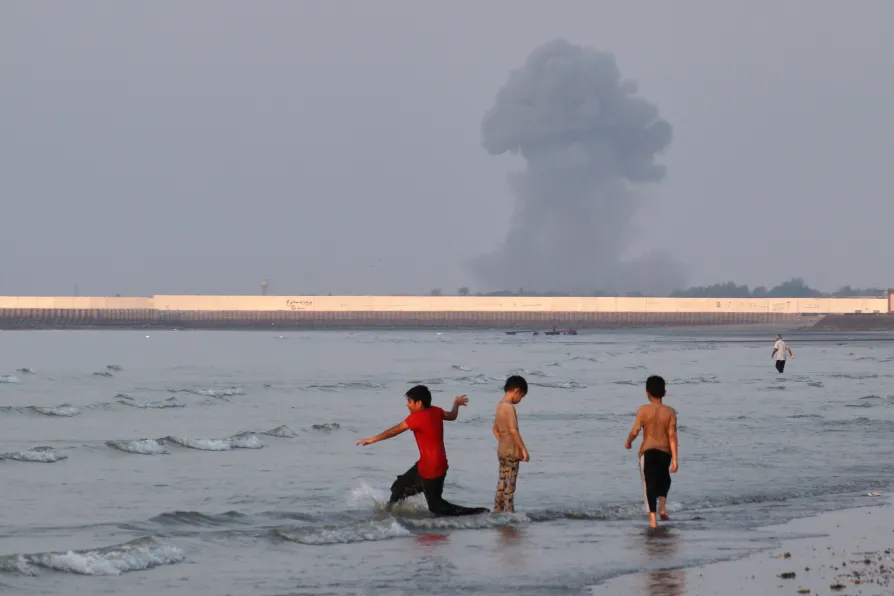
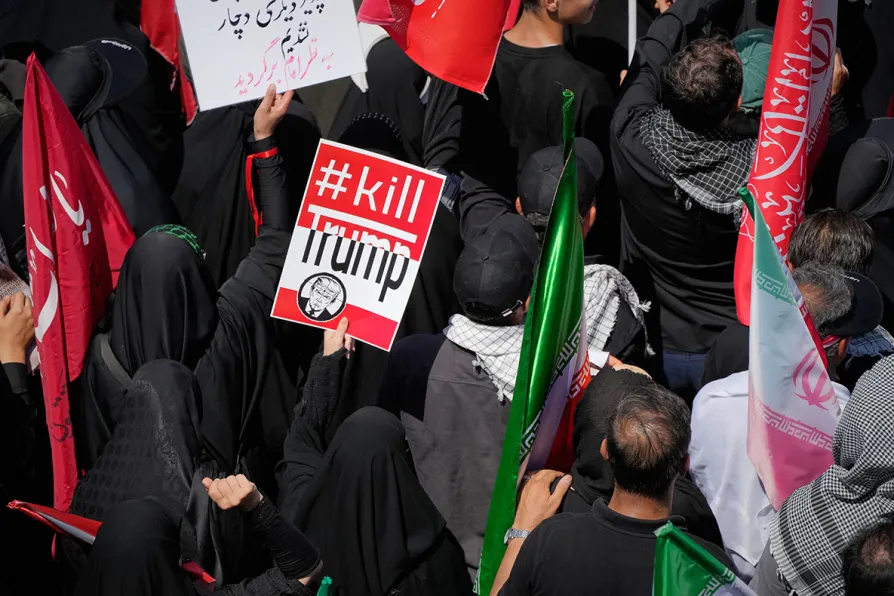
RAMZY BAROUD and ROMANA RUBEO analyse how the US has consistently negotiated in bad faith to secure the element of surprise in military attack