

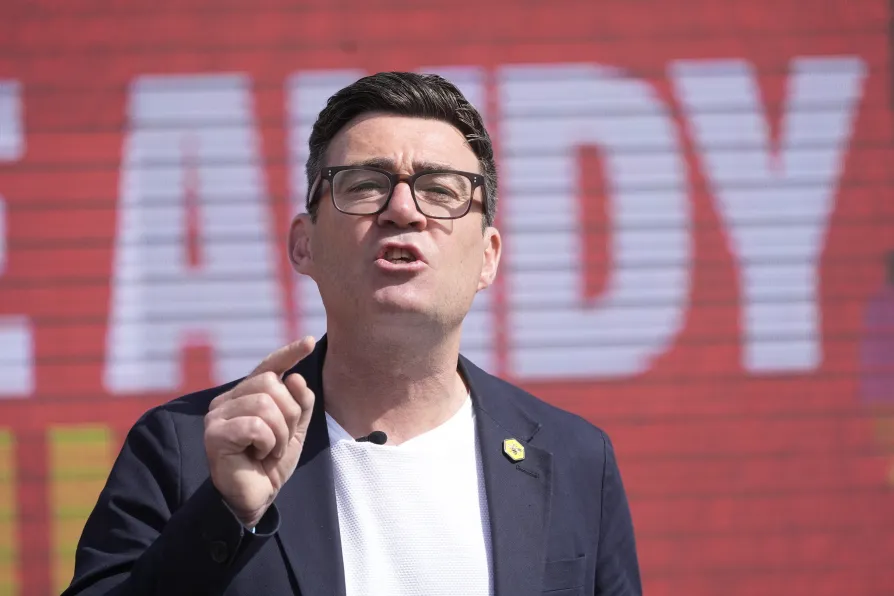

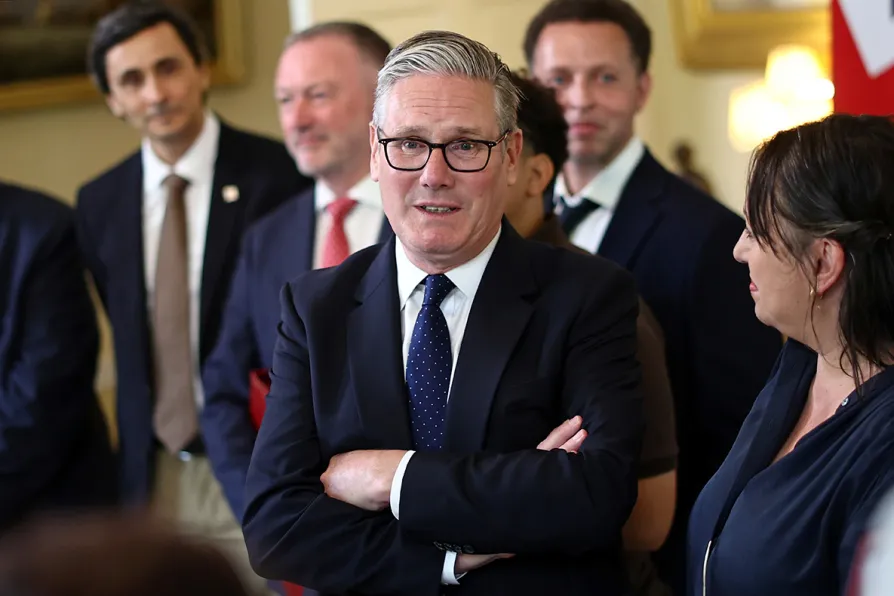


ANDY BURNHAM’S pitch to the country on becoming Labour leader struck many of the right notes.
It attacked the concentration of wealth at the top of society, correctly tied it to surrendering public control of the basics including water, energy, housing and transport, and identified the centralisation of power — with local government having lost most of its financial and therefore political autonomy since the 1980s, despite devolution — as an anti-democratic trend.
The difficulty will be delivering anything approaching the change he promises without a ruthless break with the City of London, the billionaire press — and a Parliamentary Labour Party stuffed with Blairite zombies vetted by Peter Mandelson.
Burnham will be the seventh prime minister in the decade since the vote to leave the European Union. Like Rishi Sunak and Liz Truss, he succeeds a PM ousted by his own party despite enjoying a huge parliamentary majority.
Even Britain’s myopic monopoly media have noticed something is wrong, asking whether Britain is now “ungovernable,” the insinuation being that an unruly public is asking for more than any politician could possibly deliver.
But the reason is obvious: the political and economic status quo has run out of road, and every leader who doesn’t change it will soon be deeply unpopular.
The Brexit vote was a rejection of the way things are. It came a year before the high water mark of Corbynism, the 2017 general election that saw a left-wing programme win Labour its biggest vote of the century in the teeth of ferocious Establishment opposition.
Burnham didn’t mention any of this. But his premise — that Britain has been on the wrong track for 40 years, since “political power was centralised and economic power was privatised” — is basically the same as Jeremy Corbyn’s, in fact not even updated since Corbyn talked of reversing 40 years of neoliberalism 10 years ago, more accurately dating its inception to Britain’s 1976 bailout by the International Monetary Fund.
But it was also once the pitch of both Corbyn-challenger Owen Smith and Corbyn-successor Keir Starmer. Neither meant a word of it: donning left-wing clothing was the only way to appeal to Labour members.
Burnham doesn’t need to do that, having been crowned without a contest, but he knows it’s what the country wants to hear. Lots doubt he believes it, pointing to a chequered political history including in Blair’s government. But his personal beliefs will not decide the issue one way or the other.
Class power will. Britain’s ruling class has so far proved very effective at preventing the change the majority are crying out for.
It closed ranks against Corbyn, using the Brexit issue as a wedge to smash that movement and in the process ensuring the chance to reshape the economy outside EU rules was never taken.
It tolerated big promises of change from Boris Johnson and Starmer as rhetorical devices to secure power, but — through the bond markets and the media and the arms industry shills — maintains constant, crushing pressure to ensure there is no departure from the privatisation, austerity and war agenda in practice.
We saw those pressures acting on Burnham even before he won in Makerfield and many of his mooted appointments suggest he will bend to it.
He should remember the fate of his five short-term predecessor PMs. The public aren’t fools. If he won’t confront the powers that be he won’t last — and Reform UK are the likeliest beneficiaries.
So should the labour movement remember. Too many treated Starmer with kid gloves, exaggerating every concession and refusing to call out the anti-working-class thrust of his government because it was “better than the Tories.” It is not an approach that convinces workers, too many of whom have moved towards Reform.
If the pressure doesn’t come from beneath to force Burnham to live up to his promises, the pressure from above will break them.

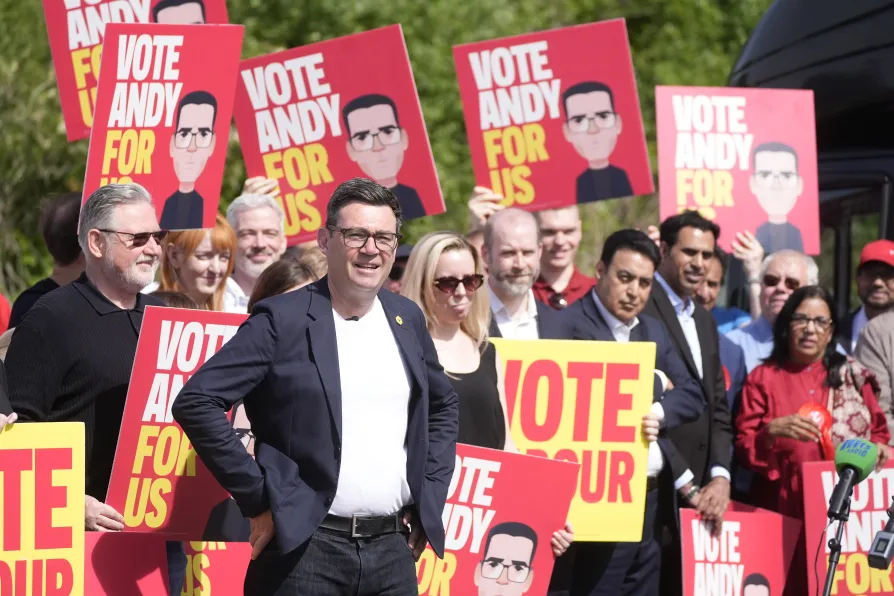
IAN LAVERY MP warns that decades of neoliberal policies have left former industrial communities behind — but a renewed Labour commitment to working people could change the political landscape
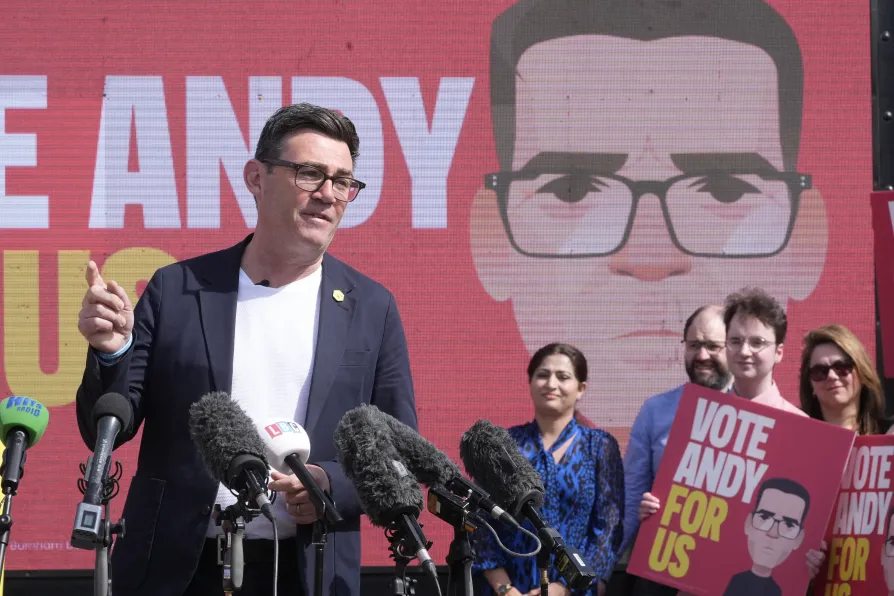
Burnham’s Makerfield triumph offers the party the opportunity to reconnect with working people, but only if it rejects business as usual, says CAROL MOCHAN MSP